
Last updated November 14, 2026
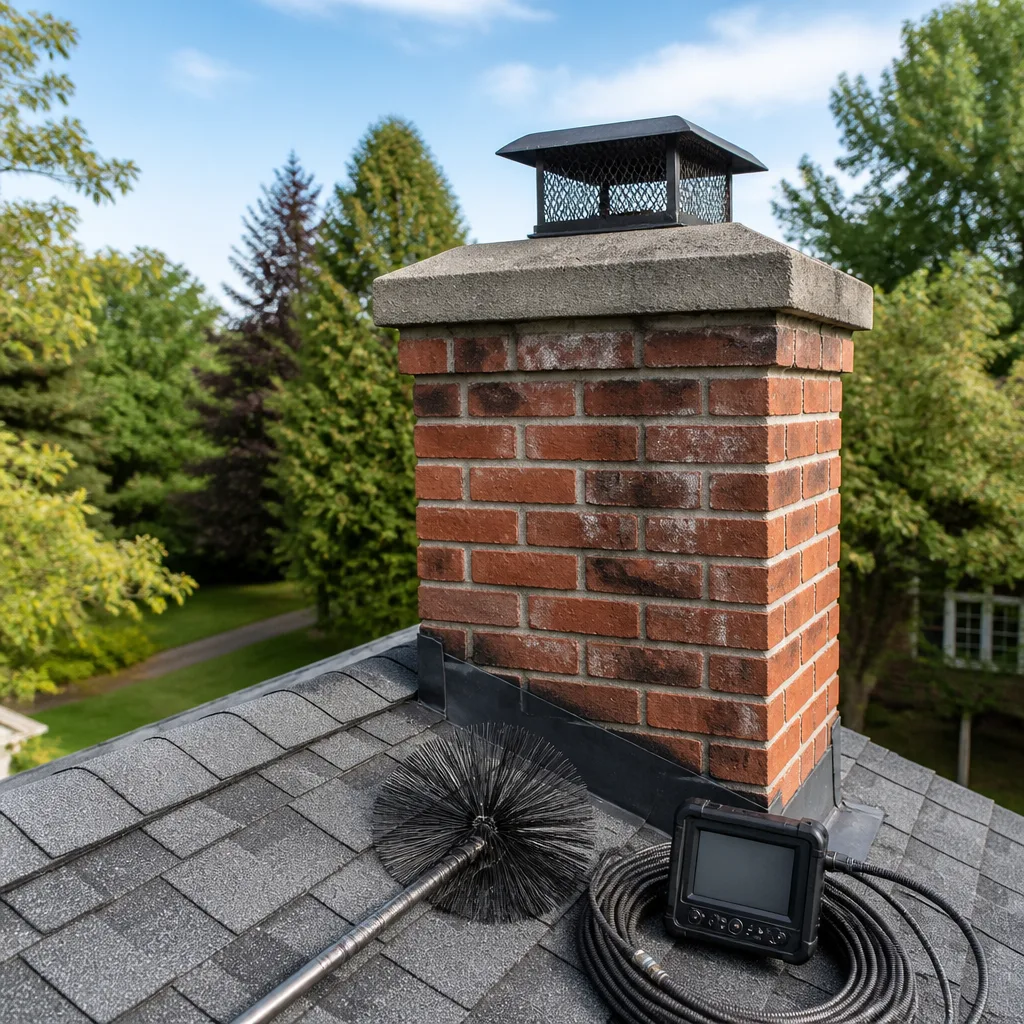 Sweep & inspection
 Caps & crowns
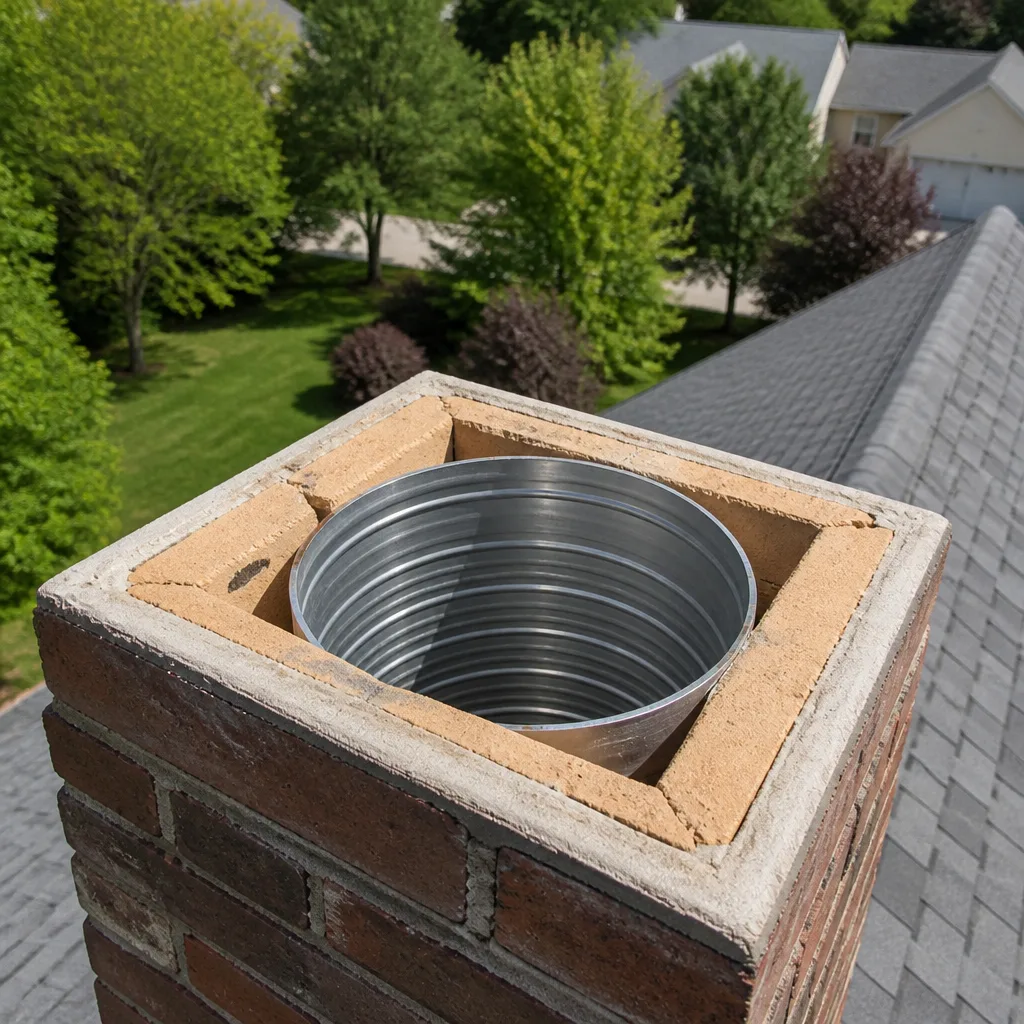 Flue relining
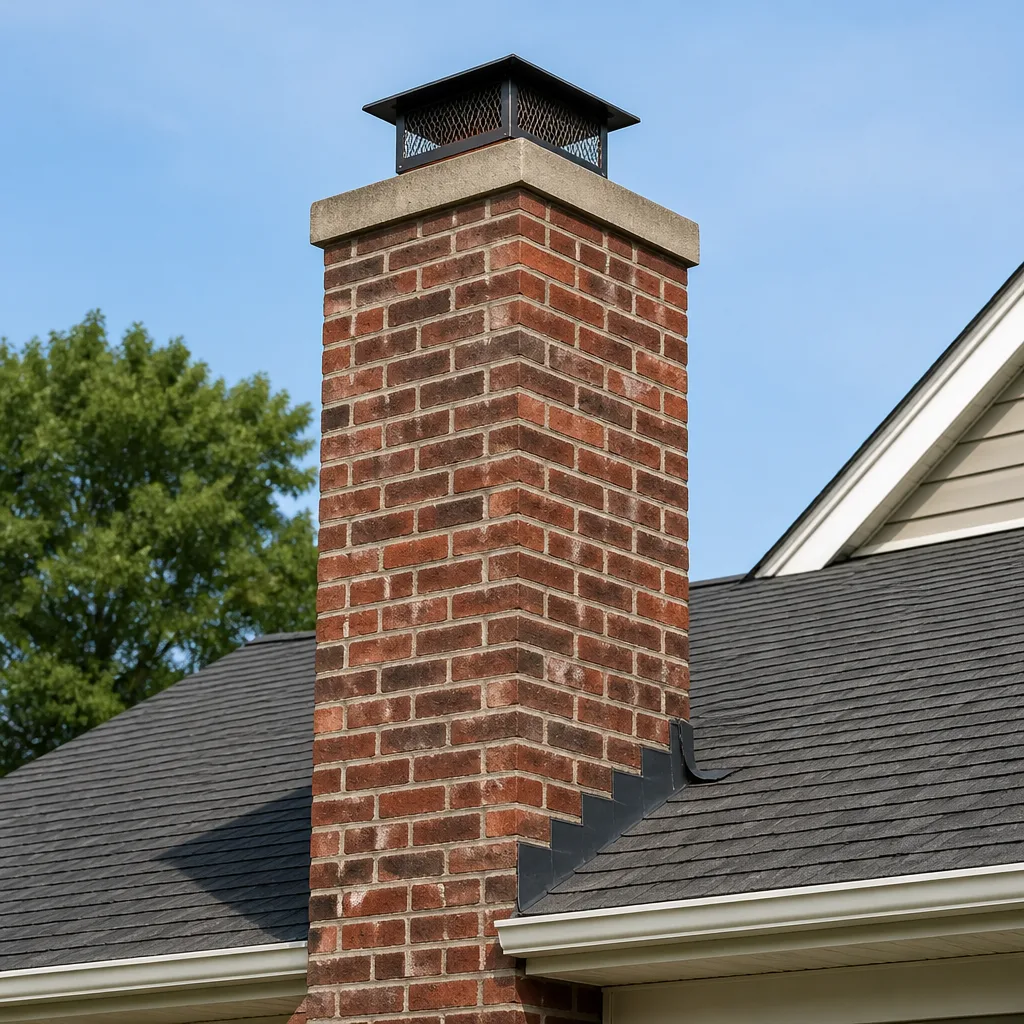 Masonry repair
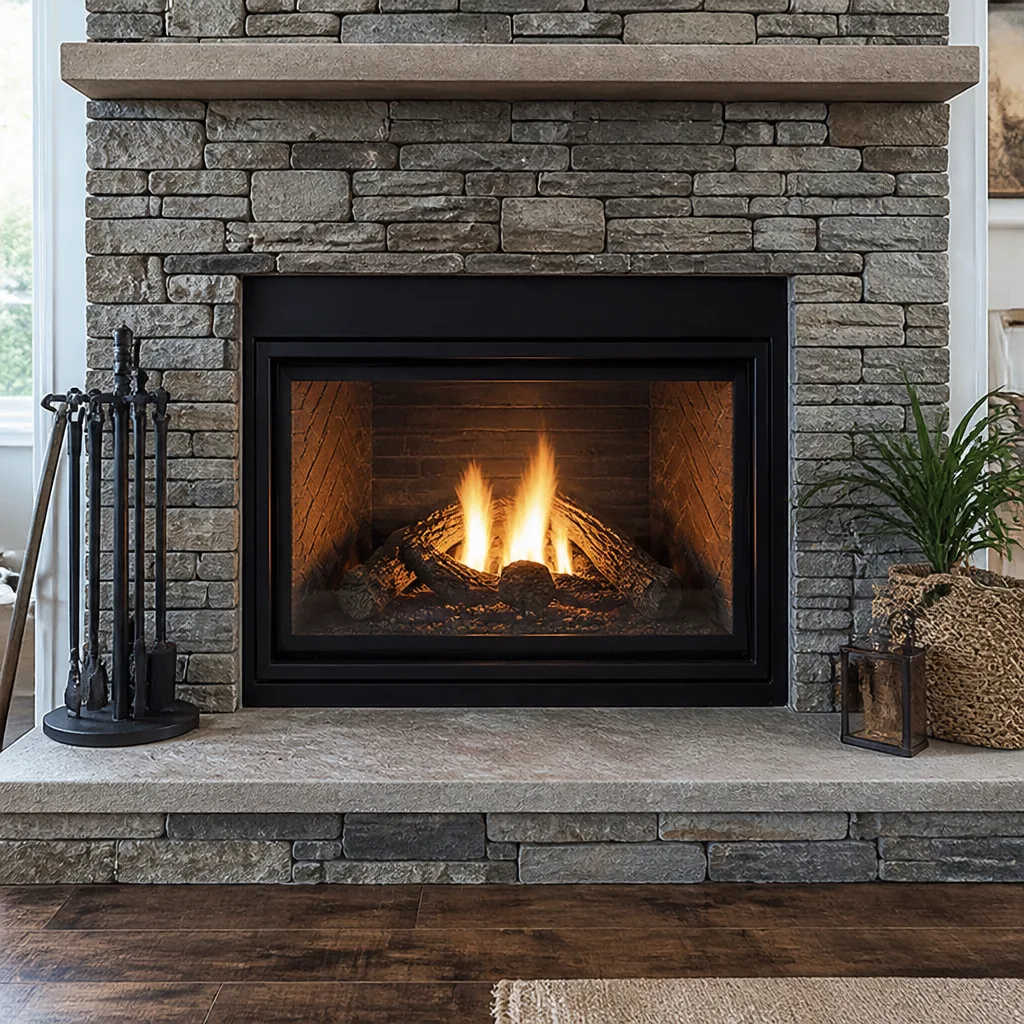 Gas fireplace service
Level 1 sweep and inspection to the NFPA 211 annual standard - flue, crown, cap, and flashing checked and photographed
Chimney sweep logs do not sweep chimneys. They loosen some creosote - which then falls where a brush and vacuum still have to collect it.
DIY vs Professional Chimney Cleaning: The Metairie Homeowner’s Decision Guide
Chimney brushes are cheap and video tutorials are free. Neither one tells you whether the dark staining at the smoke chamber junction is ordinary soot or the beginning of a liner crack that will route combustion gases into your living space. That gap between cleaning and understanding is the whole decision. In Metairie’s humid air, a flue rarely holds only creosote; it holds moisture damage, storm debris, and sometimes things that crawled in and died. This guide covers what a brush kit can realistically do, what it can’t tell you, and the one situation where doing it yourself actually makes sense. You’ll finish knowing how to judge your own chimney in Metairie without guessing.
Quick Answer
Professional chimney cleaning is worth it in most Metairie homes because the value isn’t the scrubbing, it’s the diagnosis: a camera inspection tells you what’s inside the flue, and a trained technician can tell creosote from a cracked liner. DIY brushing is reasonable in exactly one narrow case: a lightly used flue with dry, well-seasoned wood, no history of problems, and no symptoms. In every other case, the brush removes soot while leaving the actual risk untouched.
Styles & brands we work with
- Sweep & inspection
- Caps & crowns
- Flue relining
- Masonry repair
- Gas fireplace service
Table of Contents
- Why the DIY Question Is Really a Diagnostic Question
- What a Brush Kit Can Do vs. What a Camera Finds
- What Metairie’s Climate Puts in Your Flue Besides Creosote
- The Honest Math: What DIY Saves and What It Defers
- The One Scenario Where DIY Brushing Makes Sense
- The Two Scenarios Where DIY Creates More Liability Than It Prevents
- What to Tell a Technician When You’ve Already Cleaned It Yourself
- The Other Chimney in Your House: Why Dryer Vents Belong in This Decision
Why the DIY Question Is Really a Diagnostic Question
The usual framing is whether you can physically brush a flue. That’s the easy part. A homeowner in reasonable shape can push a brush down a channel. The hard part is the part nobody films for a tutorial: knowing what came out, where it came from, and what the flue walls look like when you’re done.
Think about what a professional sweep actually observes on arrival. Creosote has grades. Grade 1 is a soft, flaky soot that brushes off easily. Grade 2 is a crusty, flaky deposit, and Grade 3 is a hardened, glazed layer that has had repeated heat applied to it. The progression matters because it points to how the stove was being run and what fuel was going in. A homeowner brushing a flue usually cannot distinguish those grades from a casual glance, and even when they can, they don’t know what the grade tells them about how to run the appliance going forward.
That interpretation layer is why the DIY question in Metairie keeps landing on the same place. Our technicians have up to 9 years of experience, and a lot of that experience is spent looking at a flue and deciding whether the dark patch is soot or the start of something structural. If you can’t do that with confidence, you’re not really cleaning. You’re sweeping a surface and leaving the diagnosis undone.
There’s a second, quieter reason the diagnostic framing matters: a homeowner brushing their own flue tends to skip the parts of the chimney that are hardest to reach and easiest to neglect. The top of the flue near the cap. The smoke chamber above the damper. The firebox smoke shelf. A trained eye is looking at those areas, not just the straight run of flue.
What a Brush Kit Can Do vs. What a Camera Finds
A brush kit removes loose soot from the interior surface of the flue. That’s its real capability, and it’s not a small thing. If a flue has a moderate soot load and nothing else wrong with it, brushing does genuine work and reduces the fuel available for a chimney fire.
What a brush kit cannot do is see. Here’s what a camera inspection runs against what a brush can address:
- Liner cracks and gaps: A flexible camera sees hairline cracks and open joints that a brush passed right over. These are the pathways that let combustion gases and heat reach the framing.
- Offsets and bends: Metairie homes have flues that step around rooflines and framing. A brush follows the channel; a camera shows whether the offset is sound.
- Tile spalling: Flaking tile surface is easy to miss from inside the firebox and easy to spot on camera.
- Nesting and debris: Birds, squirrels, and wasps move into flues that sit unused. A brush may break up a nest without removing it fully or seeing where it’s lodged.
- Creosote grade: Grade 2 and 3 deposits need more than a standard brush pass, and the technician has to recognize which one they’re dealing with.
- Crown and cap condition: The interior is only half the story. A sweep includes visual checks from the roof, where the crown, cap, and flashing are.
You’ll notice that only the first item on that list is something a brush can address, and even then only partially. Everything else is a diagnosis. Metairie homeowners who go the DIY route and later hire a professional for a problem tend to discover they’re paying twice: once for the brush kit and again for the inspection that would have caught the issue.
What Metairie’s Climate Puts in Your Flue Besides Creosote
Creosote is the headline risk in any climate. Here in Metairie, it’s not the only thing going into a flue. The region’s humidity profile shapes what a chimney accumulates in ways that a drier climate doesn’t.
Moisture-driven liner degradation
Humidity doesn’t sit outside a chimney. It moves in through caps, cracks in the crown, and gaps at the flashing. Once inside, it works on the flue in two ways: it softens masonry and tile over repeated wet-and-dry cycles, and it accelerates the deterioration of a clay liner’s joints. In a dry climate, a chimney might see that wear more slowly. Here, a chimney that sits through a wet season without a functioning cap is a chimney with elevated diagnostic need.
Storm debris and wind-driven intrusion
Metairie sees its share of strong storms. Wind can drive rain against a cap and into a flue, and it can knock loose debris from the roof into a chimney. Leaves, twigs, and bits of shingle get trapped on the smoke shelf and at offsets. A brush can break up leaf litter, but the technician doing a camera inspection is the one who sees where the debris is sitting and whether it’s blocking flow.
Pest intrusion
An uncapped flue is a seasonal invitation. Birds nest on the smoke shelf, squirrels work their way down, and wasps settle in the flue’s cooler upper sections. A homeowner opening the damper and looking up sees roughly nothing. That’s the argument for a cap and for a technician who can look into the flue with a camera. Findings of this kind are routine in Metairie chimneys that sit idle through the summer.
The fireplace that only runs part of the year
The flip side of not needing a fire most of the year is that chimneys get less regular use and therefore less inspection. A flue that runs a few times a season may take longer to build heavy creosote than a cold-climate chimney, but it still accumulates deposits, and it also accumulates whatever moisture and debris came in during the eight or nine months it sat untouched. We’ve seen a lot of Metairie chimneys where the creosote load was modest and the real problem was everything else.
The Honest Math: What DIY Saves and What It Defers
The DIY case comes down to money: brush kits are inexpensive, and a professional sweep has a cost. That’s a genuine trade, and it deserves a straight answer rather than a sales pitch.
What DIY saves is the price of a cleaning. What it defers is the diagnosis. Here’s how that plays out in practice, split by what’s actually being bought:
- The cleaning itself: A homeowner brushing a flue with modest soot load is doing roughly what a sweep does. This is real work and often done competently.
- The inspection: Camera work, liner assessment, crown and cap condition, creosote grade, smoke chamber view. Most homeowners don’t have a camera, and the camera is where the finding comes from.
- The assessment of what to do next: If a crack is found, the next step is a durable decision: is the liner compromised, and does it need a repair coating or a flexible liner? A homeowner without a trained eye ends up deferring that decision by default.
- The written record: A professional sweep gives you a documented condition report. That’s useful for insurance, for resale, and for tracking whether a small issue is growing.
Deferred diagnosis isn’t the same as savings. It’s a delay, and the delay only costs money when the underlying issue gets worse. Some do, some don’t. The problem is that without the inspection, a homeowner has no way to know which is which.
What you can actually verify
This is where homeowners are right to be skeptical. Chimney repair is one of the trades where a bad actor can tell a homeowner they need thousands in liner work and the homeowner has no way to check. Two safeguards are worth insisting on. First, ask for camera evidence you can see yourself, shown on-screen during the visit. Second, ask the technician to say plainly when work can safely wait. A trustworthy sweep will tell you both things. Metairie Chimney Sweep follows that approach on every visit, and we’d rather tell a homeowner a repair can wait than sell a job that doesn’t need doing yet.
The One Scenario Where DIY Brushing Makes Sense
There’s a legitimately reasonable case for a homeowner brushing their own flue. It requires all of the following to be true:
- You’re an experienced wood burner. You know your appliance, you burn seasoned wood, and you’ve had your flue professionally inspected before and know its baseline condition.
- The flue has been running clean. No smoking into the room, no persistent odor, no draft problems, no signs of water entry.
- The chimney is running a modest soot load. You’ve been burning wood, not construction scraps or green wood, and you’re cleaning as routine maintenance, not responding to a symptom.
- You have the right gear and the right access. Proper rods, the correct brush head for your flue size, drop cloths, and safe roof access. Roof work is serious. If the pitch is steep or the weather is wet, the answer is you don’t go up.
If all four conditions hold, brushing your own flue as routine maintenance between professional inspections is a reasonable choice. It’s not a replacement for inspection. It’s a supplement to it. Think of it the way a homeowner who knows their car changes their own oil between scheduled service visits.
Metairie’s climate does make this scenario slightly harder to reach than it would be in a dry climate. Wet seasons, storm events, and a long off-season for the fireplace all push toward wanting a camera check at least once a year. The four conditions above still apply. They just mean fewer Metairie chimneys meet them cleanly.
The Two Scenarios Where DIY Creates More Liability Than It Prevents
The two situations below are ones where a homeowner brushing a flue can end up worse off than if they’d left it alone and called someone.
Scenario one: a flue that has a suggested crack or liner problem
If a flue has an undiagnosed liner crack, brushing it can dislodge soot and debris into the crack and along the offset. More importantly, the act of brushing gives the homeowner a false sense of resolution. They felt productive, they saw soot come out, and they conclude the chimney is fine. Meanwhile the crack is exactly where it was, and the flue is now just clean enough to hide the warning signs the next time something smells off.
Cracked liners leak combustion gases into the framing and, depending on the home’s pressure balance, into living space. The honest advice here is simple: this is not a DIY problem, and a trained technician needs to look at it with a camera before anything else happens.
Scenario two: a heavy or glazed creosote load
Grade 2 and Grade 3 creosote are not removed by an ordinary brush pass. Glazed creosote has been reheated and hardened. A brush slides over it. A homeowner with a heavy load is not accomplishing much, and they may be under the impression that the flue is serviced when a real fire hazard is still sitting against the tile.
Heavy creosote is a chimney fire waiting for the right conditions. We don’t say that to scare anyone; we say it because it’s the single most common reason a professional sweep finds a chimney in worse condition than the homeowner expected. The removal process for glazed creosote requires specific tooling and technique, sometimes more than one visit, and the assessment of what’s underneath. Brushing at home doesn’t address it.
What to Tell a Technician When You’ve Already Cleaned It Yourself
If you’ve brushed your own flue and you’re now hiring a professional for an inspection, the technician needs to know that. It changes their approach.
Here’s what to say when you call and what to say on arrival:
- Tell them the flue has been brushed recently. Say how recently, and what brush was used if you know. That tells the technician the soot load they see is not the true baseline.
- Be honest about what came out. Soft, flaky, sand-like, crunchy, or stuck-on? Describe it plainly. That description is data.
- Mention anything that looked off from the firebox. Staining at the damper, an odor after rain, a bit of daylight at a joint, a flue that smoked a little. Small observations point the camera work in the right direction.
- Ask for a camera inspection first, cleaning second. If your flue was recently brushed, ask the technician to run the camera before doing a second cleaning. This avoids paying twice and gives the clearest picture of the real condition.
- Note the roof and cap condition. If the cap is loose or missing, or the crown has a visible crack, tell the technician so they can bring the right parts. Metairie Chimney Sweep carries professional-grade components from brands like Gelco and Copperfield, so cap and crown repairs are typically done with the same visit if you flag it in advance.
Homeowners who clear that information up front get a much cleaner inspection and a much shorter conversation on the phone afterward. A technician who knows the flue was recently brushed won’t assume a full-service starting point; they’ll go straight to the diagnostic work.
The Other Chimney in Your House: Why Dryer Vents Belong in This Decision
Here’s a parallel worth taking seriously. A dryer vent is a chimney for hot, moisture-heavy air, and lint is the creosote in that equation. When a dryer vent clogs, airflow drops, the appliance runs hotter, and the lint inside the duct becomes a real fire fuel load. The homeowner feels it as “the dryer is running slow” or “clothes are coming out hot.” That symptom is the equivalent of a chimney smoking into the room: it’s the sign that the system wants attention.
The DIY instinct often carries over to the dryer vent with a shop vac and a flexible wand, and that’s more defensible than DIY chimney brushing because the duct interior is easier to reach and less complex. But lint packs into the elbows, behind the lint trap housing, and along the exterior run, and a vac-and-wand pass can miss all of it. A professional dryer vent cleaning uses a rotary brush and a camera to verify the run is clear end to end. Metairie Chimney Sweep offers both chimney sweeping and dryer vent cleaning as home fire-safety services under one roof, so a homeowner can get both checked on the same visit rather than tracking down two companies.
Why “your dryer vent is a chimney” is not a marketing line
It’s a structural comparison. Both systems carry heat and combustion byproducts out of the home. Both accumulate fuel loads on their interior surfaces. Both fail silently until a symptom appears. The difference is that a dryer vent clog shows up as a slower dry time, and a chimney problem often shows up only when the fire is running. That asymmetry is the reason both deserve a professional check rather than a homeowner brush pass.
Common Mistakes to Avoid
- Brushing a flue you haven’t had inspected. You don’t know the baseline, so you can’t know whether the brush is doing work or just polishing a problem.
- Treating a clean flue as a solved problem. Soot removal and liner condition are two different questions. A clean flue with a cracked liner is worse than a dirty flue with a sound one.
- Opening the damper and looking up as the inspection. That view tells you almost nothing about a Metairie chimney’s liner, smoke shelf, or upper flue run. A camera is what shows the condition.
- Ignoring the roof side of the chimney. Cap, crown, and flashing condition are where a lot of moisture problems begin in Metairie, and they’re not visible from inside the firebox.
- Skipping the dryer vent because the chimney “isn’t really firing.” A dryer vent runs in every season. If it hasn’t been checked recently, the season of the fireplace has nothing to do with the risk.
- Letting fear decide the repair. A technician who tells you something needs fixing should be able to show you why on a camera. If they can’t or won’t, ask. A trustworthy sweep will tell you when work can wait, not just when it can’t.
- Hiring a sweep-only operation for a repair you already know you need. A company that cleans but doesn’t install a liner means a second visit and a second appointment. Metairie Chimney Sweep stocks professional chimney sweep and repair components from brands like DuraFlex flexible liner systems, HeatShield flue tile restoration, and Olympia Chimney, so a repair found during your sweep can usually be fixed on the same visit rather than handed off.
See the difference
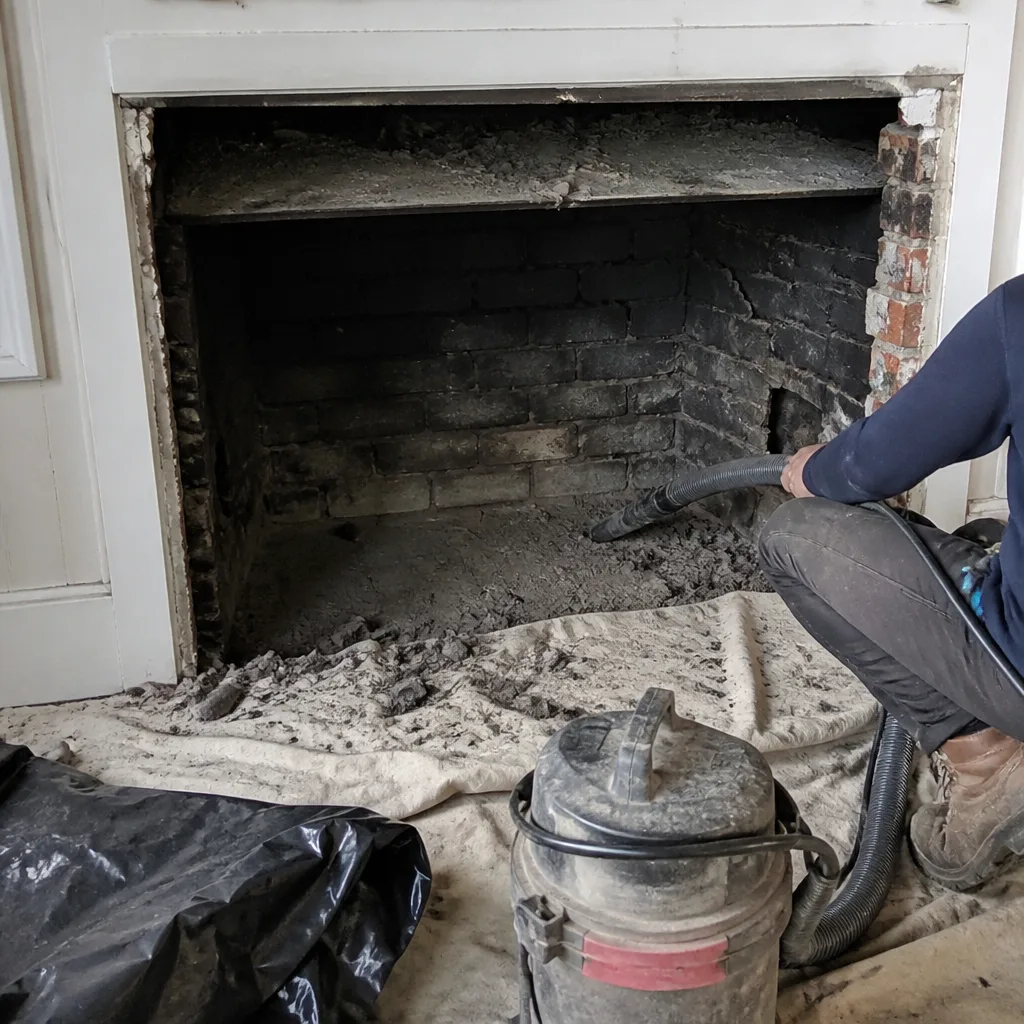 Before
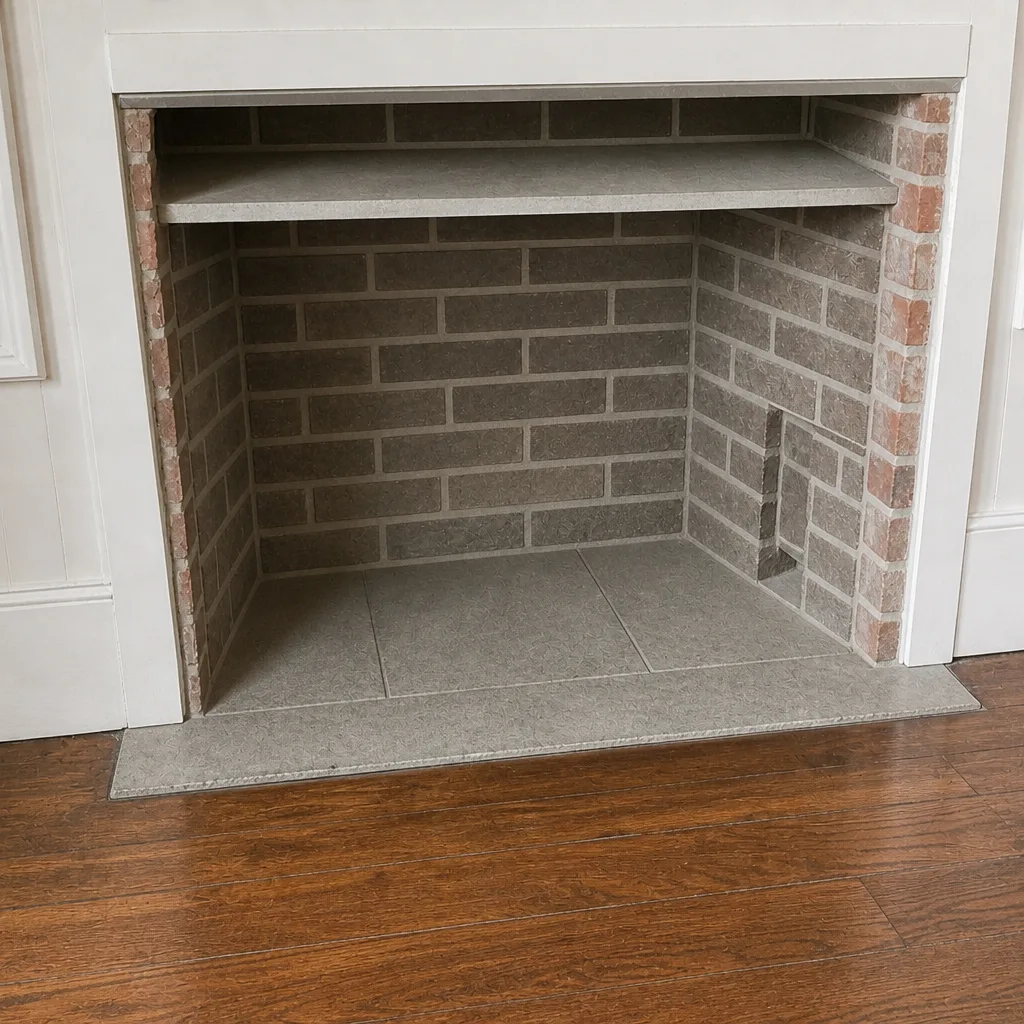 After
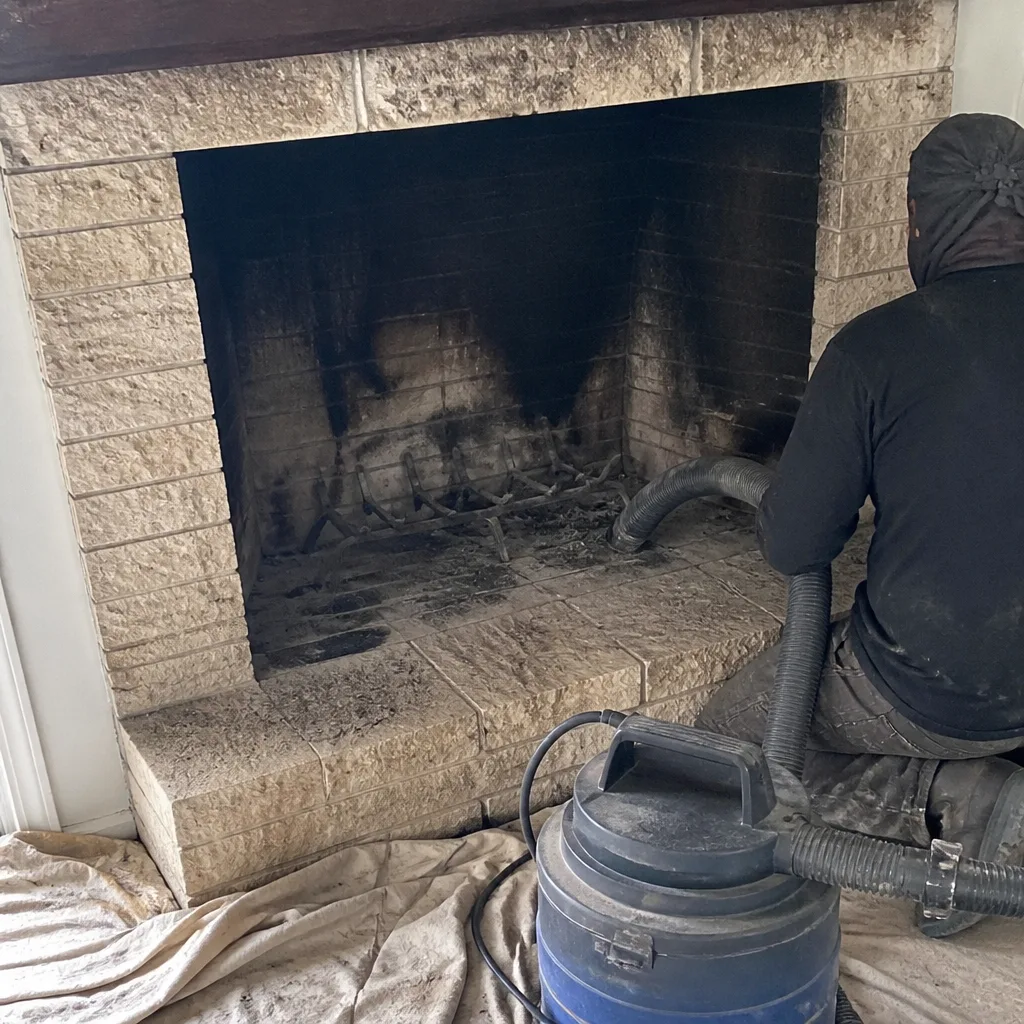 Before
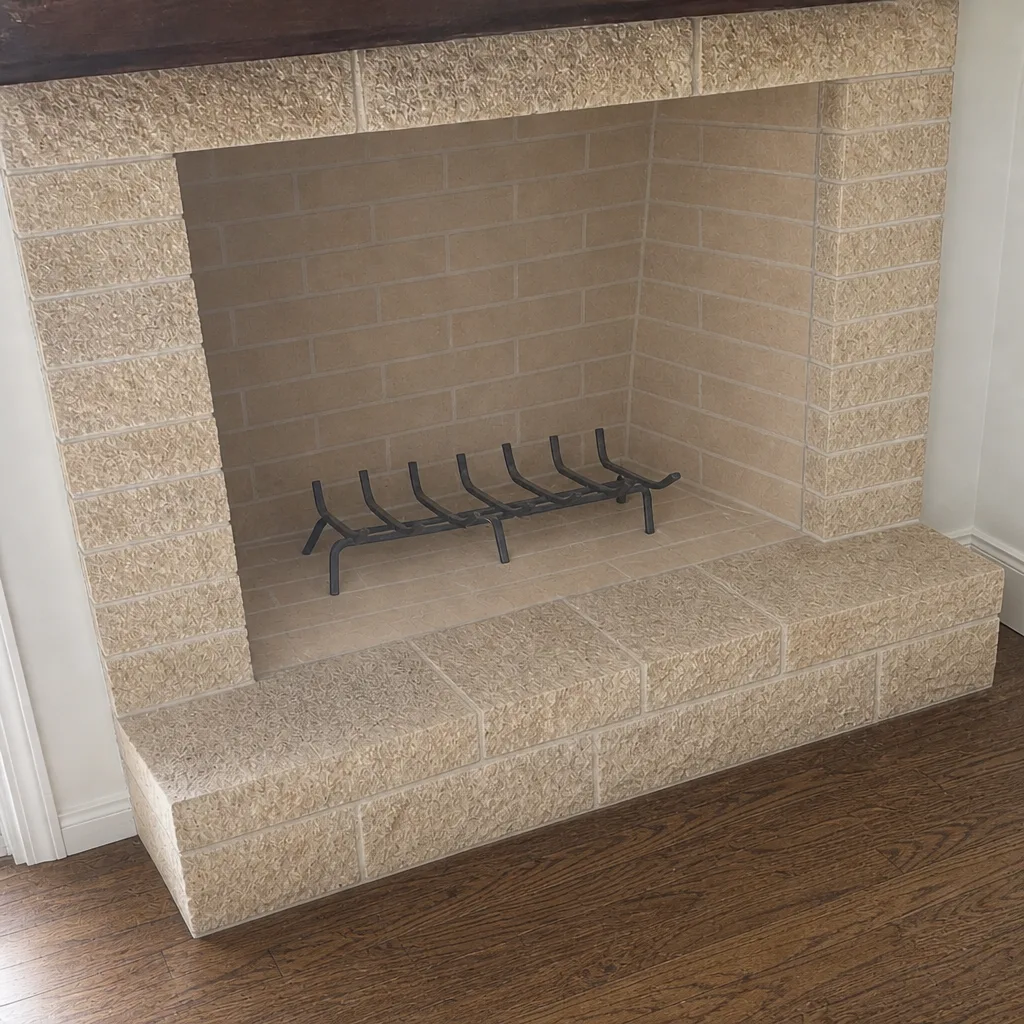 After
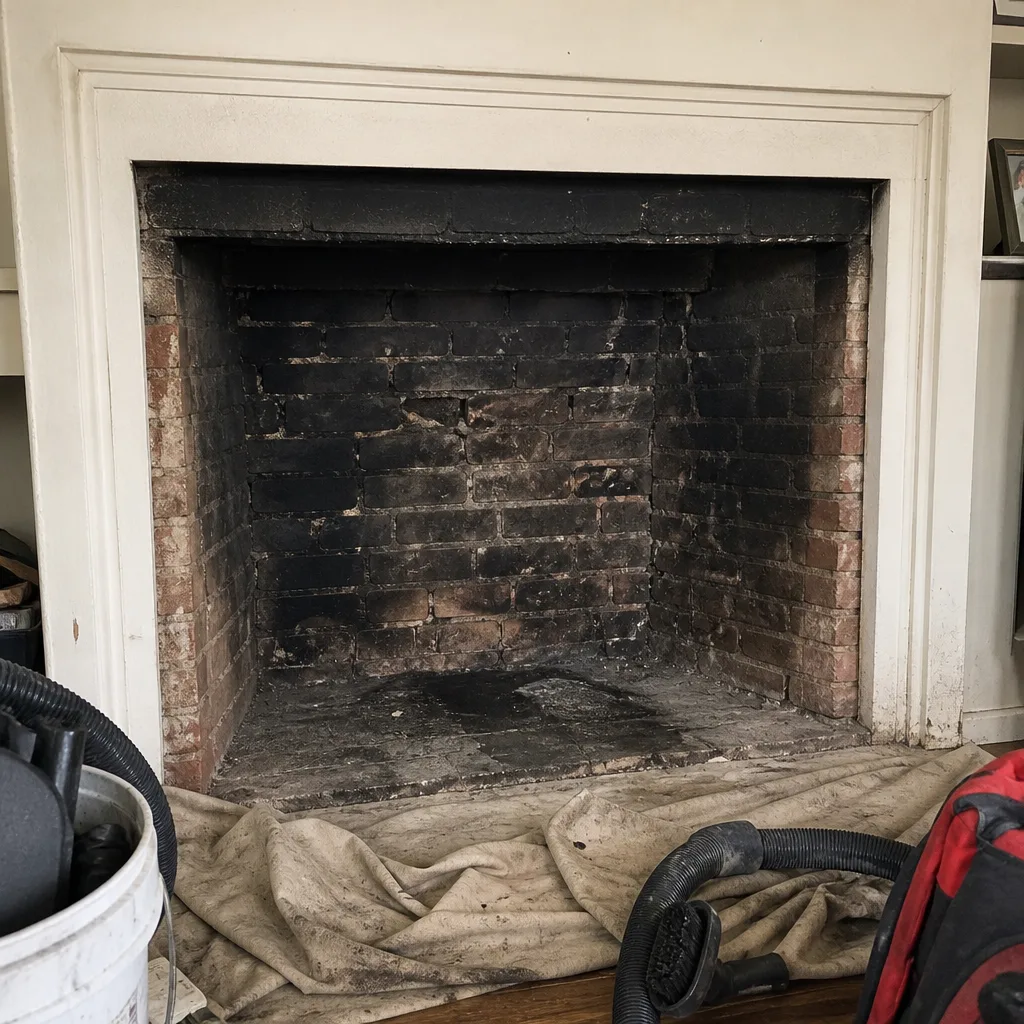 Before
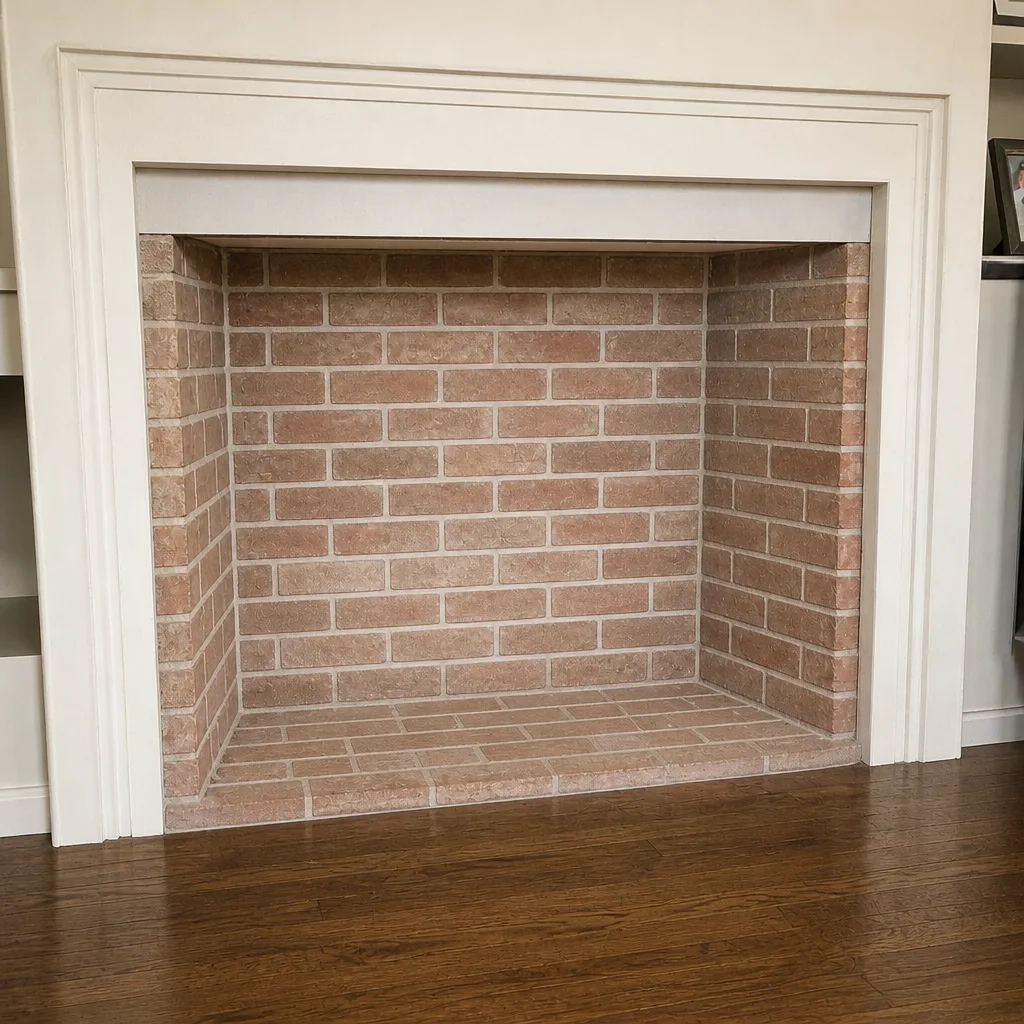 After
When to Call a Professional
The clear cases for a professional sweep are these: you’re due for an annual inspection, you’ve just bought the home and don’t know the chimney’s history, the flue was recently brushed by someone else and needs a camera check, the chimney smells after rain, the fire smokes into the room, or the cap and crown are visibly worn. The second category is the bigger one: cases where you’ve already done your own cleaning and want the diagnostic work done by a trained set of eyes. Metairie Chimney Sweep offers free estimates in Metairie. Call (855) 630-9846. We answer 24/7. Fast dispatch from 7am to 7pm, Sunday through Friday. Our technicians have up to 9 years of experience and can bring DuraFlex, HeatShield, and Olympia Chimney components to the visit if the camera inspection turns up a liner issue.
Frequently Asked Questions
You can physically brush your own flue, but you can’t perform the diagnostic work that comes with a professional sweep, which is a camera inspection, liner assessment, and creosote grading. For a low-use flue with no symptoms and a known baseline, DIY brushing between professional inspections is reasonable. For a flue with any warning signs, the diagnosis needs a trained technician. Call (855) 630-9846 for a free estimate in Metairie.
A chimney sweep is priced per job by a written estimate, so the exact number depends on the flue, the soot load, and whether camera inspection and repairs are needed. Metairie Chimney Sweep gives free estimates, and the estimate sets the final price. Call (855) 630-9846 and we’ll walk you through what a visit typically includes.
Not always. A sweep tells you what condition the liner is in, and a lot of liner issues can be addressed without a full tear-out. HeatShield flue tile restoration, which Metairie Chimney Sweep is equipped to apply, can repair a deteriorating flue tile liner in place. If a full replacement is needed, DuraFlex flexible liner systems are available as an option. The right answer depends on what the camera shows. Call (855) 630-9846 and we’ll show you the footage before recommending anything.
Once a year for a chimney in regular use is the general rule, and any chimney that sits through Metairie’s wet season should be checked at least that often. Chimneys on wood-burning appliances should be swept on a similar schedule; gas inserts still need an annual inspection even though they produce far less soot. Call (855) 630-9846 for a free estimate if you can’t remember the last time your chimney was checked.
It’s a reasonable supplement to a professional inspection if the flue has a known clean baseline and no symptoms, but it doesn’t replace the camera work. The risk with DIY brushing on a chimney that’s “been fine” is that a slow change (a softening liner, a crack at a joint, storm debris packed into an offset) doesn’t announce itself, and a brush makes the homeowner feel the chimney has been cleaned without showing them whether it’s sound. Call (855) 630-9846 for a free estimate.
Yes. Your dryer vent is a chimney too: it carries hot air and accumulates a fuel load (lint) in the same way a flue accumulates creosote, and it needs a professional cleaning with a camera check to verify the run is clear. Metairie Chimney Sweep offers both services so a home’s chimney and dryer vent can be checked in the same visit. Call (855) 630-9846 for a free estimate.
The Bottom Line
The DIY vs professional cleaning question in Metairie comes down to this: a brush removes soot, and a trained technician tells you what’s actually happening inside the flue. If you’re an experienced wood burner with a known clean baseline and no symptoms, routine brushing between professional inspections is reasonable, and worth doing. In any other case, the diagnostic work comes first, because the risk in a Metairie chimney is rarely just creosote; it’s moisture damage, storm debris, pest intrusion, and liner condition you can’t see. A sweep found something or found nothing, and the technician should be able to show you which.
When you’re ready for a real answer, Metairie Chimney Sweep offers three services under one roof: chimney sweeping, dryer vent cleaning, and chimney repair. We work with professional-grade materials including DuraFlex, HeatShield, Gelco, Olympia Chimney, Famco, and Copperfield. Call (855) 630-9846 for a free estimate. We answer 24/7. Fast dispatch from 7am to 7pm, Sunday through Friday.
Related reading: our Metairie Chimney Sweep service overview, and our local guide to Metairie chimney care.
Written by the team at Metairie Chimney Sweep.