
Last updated November 14, 2026
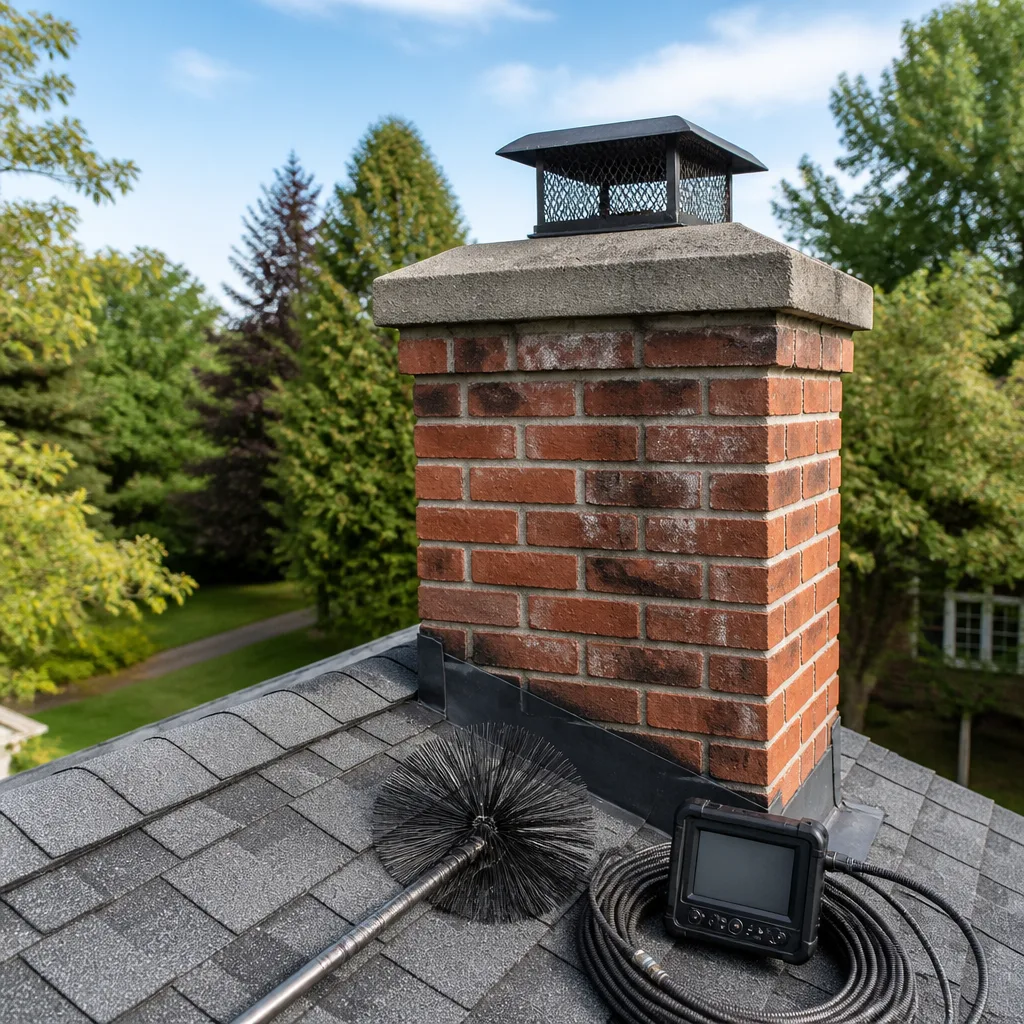 Sweep & inspection
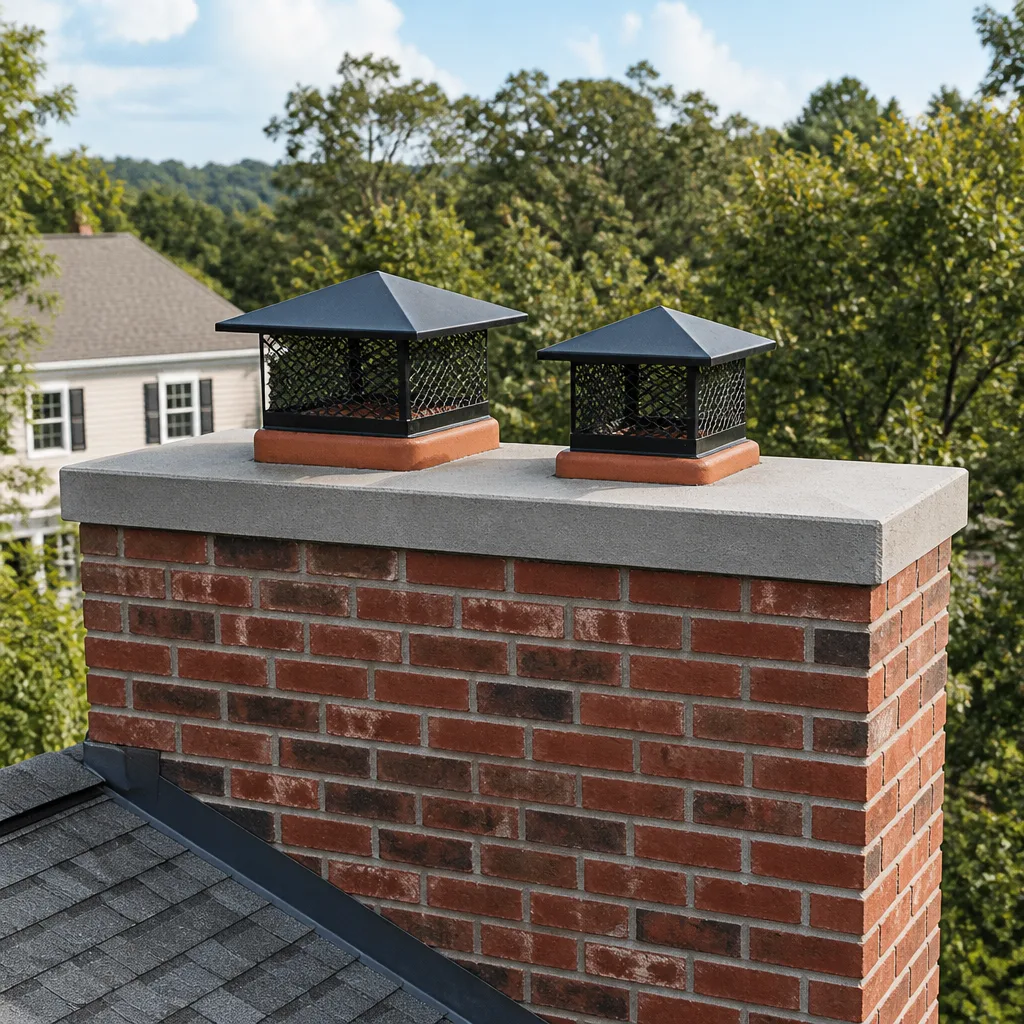 Caps & crowns
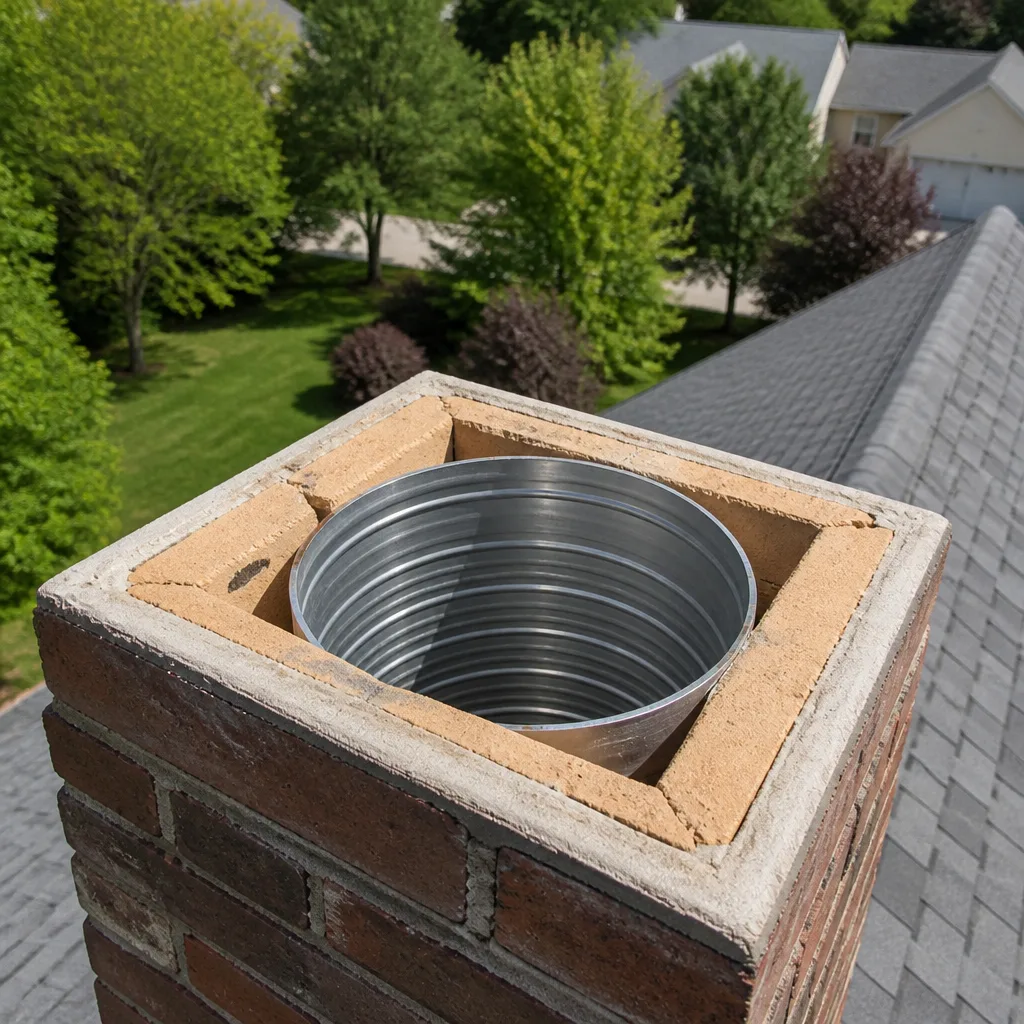 Flue relining
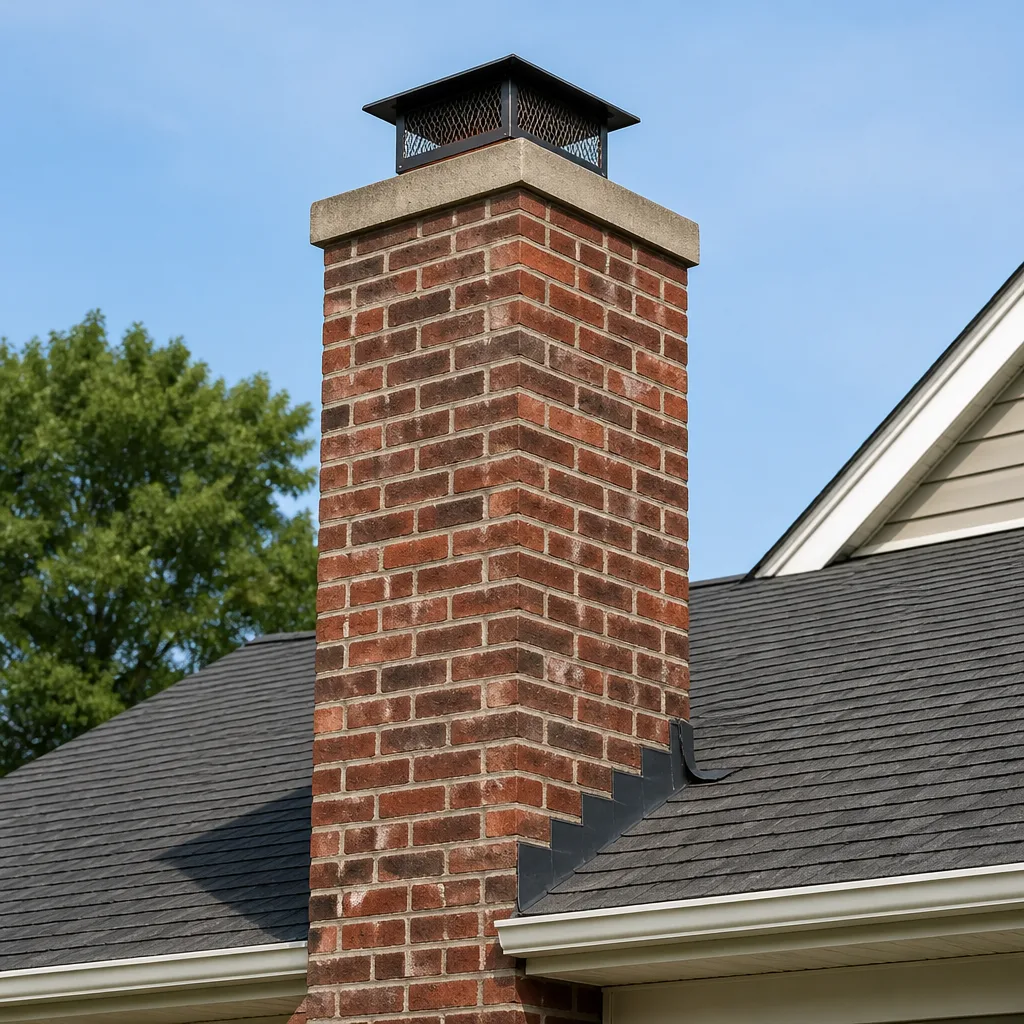 Masonry repair
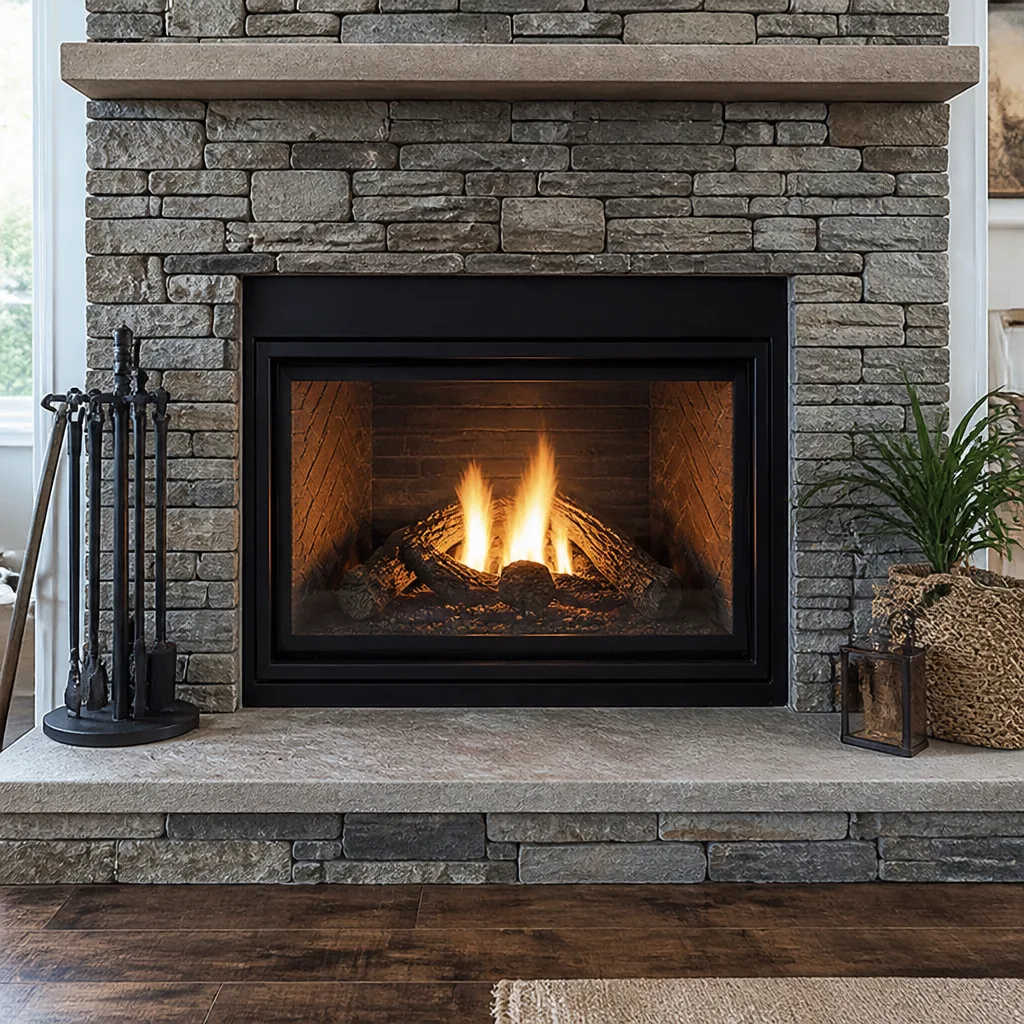 Gas fireplace service
Level 1 sweep and inspection to the NFPA 211 annual standard - flue, crown, cap, and flashing checked and photographed
Chimney sweep logs do not sweep chimneys. They loosen some creosote - which then falls where a brush and vacuum still have to collect it.
The Complete Guide to Chimney Cleaning in Metairie
Most chimney fires in Louisiana aren’t caused by heavy winter use. They’re caused by occasional, low-heat fires that leave behind the stickiest, most flammable form of creosote – the opposite of what most homeowners assume. A fireplace used a dozen times a season, with damp wood and a damper closed too early, builds deposits that a hot-burning fireplace in a cold climate never develops. Add Metairie’s humidity, which keeps flue tiles wet between fires, and you have a maintenance profile that national chimney guides simply don’t address. This guide covers what chimney cleaning in Metairie actually involves: the regional creosote problem, what a full inspection should include, how to read the report, and when a finding means repair rather than a follow-up visit.
Quick Answer
Chimney cleaning in Metairie means removing creosote and soot from the flue, firebox and smoke chamber, then inspecting the liner, crown and cap for damage – and in this climate, that inspection matters as much as the brushing. Homes here should be swept annually if wood is burned regularly, and inspected annually even if the fireplace sees only a handful of fires a year, because humidity and occasional low-heat burning both accelerate liner deterioration. A proper sweep includes camera inspection and a written report of what was found.
Styles & brands we work with
- Sweep & inspection
- Caps & crowns
- Flue relining
- Masonry repair
- Gas fireplace service
Table of Contents
- Why Chimney Cleaning Works Differently in Metairie
- The Three Stages of Creosote (and Why Occasional Burners Are at Risk)
- How Gulf Coast Humidity Damages Flues Between Fires
- What a Full-Service Cleaning Should Include
- Do Gas Fireplace Flues Still Need Cleaning?
- How to Read a Chimney Inspection Report
- Repair Now or Follow-Up Later? Deciding What’s Urgent
- Your Dryer Vent Is a Chimney Too
Why Chimney Cleaning Works Differently in Metairie
National chimney advice is written for cold, dry climates where a fireplace runs hard for five months and then sits idle. Metairie doesn’t work that way. Winters here are mild, so a fireplace might see a fire on a cool December evening, another in January, and then nothing for weeks. That pattern produces a different creosote chemistry than steady, hot burning does, and it’s why a Metairie homeowner can burn very little wood and still end up with a dangerous flue.
The local climate adds a second factor. Metairie’s humidity is high for most of the year, and that moisture doesn’t stay outside. It finds its way into the flue through the chimney top, through gaps at the crown, and through the masonry itself. A flue that’s damp between fires stays damp, especially when the fireplace isn’t running often enough to dry it out. Masonry absorbs that moisture, and over years the same cycle shows up as spalling brick, cracked flue tiles, and a crown that’s failing at the edges.
Put the two together and you get the profile that shows up again and again on Metairie properties: light wood use, sticky creosote, and a liner that’s aging faster than the fire count would suggest. That’s why we treat every sweep in Metairie as an inspection first and a cleaning second. Brushing the flue tells you how much soot came down. Looking at the liner, crown and smoke chamber tells you whether the chimney is safe to use at all.
Homeowners here also tend to have older masonry chimneys, many of them on homes that have been through multiple roof replacements and have original chimney crowns. A crown is a simple thing – a sloped cap of mortar or concrete around the top of the chimney – but when it cracks, water goes straight into the flue. That’s a maintenance issue you can catch during a sweep and fix before it turns into a liner replacement.
The Three Stages of Creosote (and Why Occasional Burners Are at Risk)
Creosote is the residue left behind when wood smoke cools before it exits the chimney. It forms in three stages, and each stage is a step up in fire risk and in what it takes to remove it.
- Stage 1 – Soot and light flaky deposits. This is what a brush takes off easily. It’s the normal byproduct of regular burning, and it’s what a routine sweep is designed to handle. Most Metairie fireplaces cleaned on an annual schedule never get past this stage.
- Stage 2 – Hard, crusty deposits. When smoke cools slowly – which is exactly what happens with a small fire, damp wood, or a damper closed too early – creosote condenses into a hardened layer. A standard brush glides right over it. Stage 2 deposits are where we start seeing glazed patches on flue tiles, and rotary tools are needed to remove them.
- Stage 3 – Glazed, tar-like creosote. This is the sticky, highly flammable form. It looks like hardened caramel or tar and bonds to the tile. It catches easily at high heat, and it’s the most common fuel for a chimney fire. Stage 3 deposits usually mean the flue needs professional mechanical cleaning, and sometimes a liner.
Here’s the counterintuitive part, and it’s the reason this guide exists. In cold climates, a fire burns hot and fast, drafts well, and drives most of the smoke out before it can condense. In Metairie, plenty of wood fires are small, slow, and damp-wood fueled – conditions that maximize Stage 2 and Stage 3 buildup per fire. A homeowner burning a cord a season may have less creosote than a homeowner burning a dozen fires on green wood, with a damper closed too soon, and no draft to carry the smoke out.
If you use your fireplace occasionally and think that means you can skip a sweep, that’s the profile most likely to build the worst creosote. A chimney sweep will tell you which stage is present, and the difference between a simple brushing and a mechanical cleaning is entirely determined by that inspection.
How Gulf Coast Humidity Damages Flues Between Fires
Water is the quiet cause of most chimney deterioration in Metairie. The mechanism is straightforward: masonry is porous, humid air carries moisture into the flue, and the flue holds it because a fireplace that’s rarely used never gets hot enough to dry out. Every subsequent humidity cycle adds to it. What a homeowner sees on the outside is a chimney that looks fine. What’s actually happening is water migration through the crown, joints, and flue tile, with the telltale signs showing up years later as cracked tiles, spalling brick, and rusted damper assemblies.
The points where water gets in are predictable:
- The crown. A cracked or flat-topped crown lets water run straight down into the flue. A proper crown is sloped so water sheds away from the flue opening.
- The chimney cap. A missing or damaged cap lets rain in directly. A cap with the wrong mesh size also lets birds and squirrels in, which is a different problem that usually becomes a cleaning problem.
- The flue tile joints. Mortar joints between tile sections absorb moisture and crack over time. Once a joint opens, moisture reaches the surrounding masonry.
- The smoke chamber. The sloped area above the damper is where moisture, soot, and creosote collect. It’s often the dirtiest part of the chimney and the part most often skipped by sweep-only operations.
During a sweep in Metairie, we check all four. Crown repair and cap replacement are straightforward fixes with Gelco and Famco components, and they’re the cheapest way to stop the moisture cycle before it reaches the liner. What you don’t want is to find out about a failing crown when a flue tile finally cracks.
What a Full-Service Cleaning Should Include
A full chimney cleaning in Metairie is more than a brush down the flue. Anyone can run a brush; what you’re paying for is the inspection that comes with it. Here’s the checklist we work from, and it’s the standard you should expect from any chimney company in Metairie.
- Set up before anything moves. Drop cloths and a sealed vacuum at the firebox so no soot enters the room. This is basic, but a shop vac and no containment means soot throughout the house.
- Brush the flue. The right brush for the flue size, worked from the top down or bottom up depending on the setup. This removes Stage 1 deposits and reveals what’s underneath.
- Camera inspection. A flue camera run from the top down shows the condition of the liner, the joints, and whether anything is blocking the flue. This is where Stage 2 and Stage 3 creosote, cracked tiles, and animal nests show up.
- Smoke chamber evaluation. The area above the damper is checked for creosote buildup and for gaps or deterioration in the masonry that can allow smoke to bypass the damper.
- Firebox inspection. Brick and mortar joints in the firebox checked for cracking. Deteriorating firebox mortar is a common finding on older Metairie homes, and it’s fixable with HeatShield without tearing out the firebox.
- Crown and cap check. Crown inspected for cracks, cap inspected for damage and mesh condition. This is where moisture problems are caught early.
- Written report with photos. You should see the photos of what the camera saw. Nobody should be telling you that you need work you can’t see the reason for.
Because we carry DuraFlex flexible liner systems and are set up for HeatShield application, a finding during the sweep doesn’t mean booking a second company and waiting. Found during your sweep, fixed on the same visit is the difference between a sweep-only operation and a full-service one. The liner and coating materials are professional-grade components, not hardware-store substitutes.
Do Gas Fireplace Flues Still Need Cleaning?
Yes. A gas fireplace flue needs an annual inspection, and often a cleaning, despite the common belief that gas burns clean. Gas does produce less creosote than wood, but it still produces combustion byproducts that deposit on the flue, and in a humid climate those deposits can combine with moisture to corrode the vent. A vent that’s blocked or deteriorating is a carbon monoxide risk, not a cosmetic one.
Where gas fireplaces in Metairie run into trouble:
- Debris and animal nests. A vent cap that’s missing or damaged lets birds and squirrels in. A blocked vent is the single most serious finding on a gas appliance, because there’s no visible smoke to warn you.
- Corrosion from moisture. Gas combustion produces water vapor. In a vent that’s rarely hot enough to dry out, that vapor condenses and accelerates corrosion on metal vent components.
- Vent connector deterioration. The connector between the appliance and the flue is the part most likely to fail. A camera inspection reaches it; a visual glance often doesn’t.
The same logic applies to log sets in an open masonry fireplace. A gas log set still vents through the chimney, and the chimney still needs to be checked for obstructions and for the integrity of the flue. Gas fireplace servicing and chimney cleaning are not separate concerns in a Metairie home; they’re the same inspection.
Carbon monoxide is odorless, and a gas vent problem doesn’t announce itself. If your gas fireplace hasn’t been inspected since it was installed or since the last sweep, that inspection is the reason to call. We can work with your insurer if you’re filing a related claim, though the inspection itself is a routine maintenance item.
How to Read a Chimney Inspection Report
A chimney inspection report should tell you three things: what was found, how serious it is, and what it will take to fix. If you get a report that says “chimney needs repair – call for quote” with no photos and no detail, ask for the detail. A report without evidence isn’t a report; it’s a sales call.
Here’s what a useful report covers, and how to read each part:
- Level of inspection. A Level 1 inspection is visual, covering what’s accessible without tools. A Level 2 adds a camera run of the flue and is the standard for any sweep, any real estate transaction, and any change to the appliance or fuel type. A Level 3 opens up concealed areas and is only needed when a Level 2 finds something serious.
- Creosote stage and location. The report should say which stage of creosote is present and where. Stage 1 in the flue is a normal sweep finding. Stage 3 anywhere in the flue is a fire risk and needs mechanical removal.
- Liner condition. Photos of the flue interior with cracked, missing, or offset tiles identified. A flue with gaps in the liner is a fire risk and a carbon monoxide risk at once. HeatShield restoration can sometimes fix this without a full tear-out; other times a DuraFlex liner is the right answer. The report should say which and why.
- Crown and cap condition. Cracks in the crown, missing caps, or a cap with the wrong mesh. These are straightforward fixes and worth doing early, since they’re the entry point for water.
- Smoke chamber and firebox findings. Deteriorated mortar, gaps at the damper, or a smoke chamber that needs parging. These affect how the fireplace drafts and whether smoke enters the room.
- Recommendations, ranked. The report should tell you what’s urgent, what can wait, and what’s purely maintenance. If everything on the report is urgent, ask why.
The report is the point where the reader’s real hesitation shows up: being told you need thousands of dollars of work you can’t verify. Our answer is simple – nothing is recommended without camera evidence you can see for yourself, and we say plainly when work can safely wait. If your report doesn’t include the photos, ask for them before you agree to anything.
Repair Now or Follow-Up Later? Deciding What’s Urgent
Not every finding on a chimney report needs immediate attention, and a sweep that turns every finding into an upsell is a sweep you shouldn’t trust. In our experience, findings split cleanly into three groups.
Fix now, don’t use the fireplace until it’s done. These are genuine safety issues:
- Cracked, missing, or offset flue tiles. Fire can reach the framing through a gap in the liner.
- Stage 3 glazed creosote anywhere in the flue. It’s the most flammable deposit and it needs mechanical removal before another fire is built.
- A blocked flue or vent, whether from a nest, a collapsed tile, or excess creosote. This is a carbon monoxide risk even when the fireplace is wood-burning.
- A deteriorated smoke chamber with gaps that let smoke bypass the damper, which means smoke in the living space.
Fix this season, but not today. These are water-entry issues and older deterioration that will get worse, but won’t cause a fire tonight:
- A cracked crown or a cap that’s missing or damaged. Water is getting in, and every rainy season makes it worse. Crown and cap repair with Gelco and Famco components is a modest fix compared to the liner damage it prevents.
- Deteriorated firebox mortar. HeatShield application can restore the firebox without a tear-out, and it’s worth scheduling before the next fire.
- Minor spalling on exterior brick. This is a masonry repair, not a chimney fire risk, but it’s the visible sign of moisture that’s also affecting the flue.
Note it and check again next year. These are maintenance observations, not repairs:
- Light Stage 1 soot deposits that the sweep removes.
- A cap with the right mesh that’s getting worn but still functioning.
- A slightly uneven crown that isn’t yet letting water in.
The bottom line: a repair crew is needed when the finding is a fire or carbon monoxide risk, or when water intrusion is active. A follow-up visit is the right call when the finding is cosmetic or slowly deteriorating. A qualified sweeper should tell you which is which and show you why, and we do. That’s the level of service we’ve built the company around in Metairie.
Your Dryer Vent Is a Chimney Too
A dryer vent is a chimney in every sense that matters: it moves hot air and lint out of the house, and when it clogs, it’s a fire risk. The same buildup mechanics that make a neglected flue dangerous apply to a dryer vent, and the same humidity that keeps flues wet in Metairie keeps lint from drying out and clearing the vent. Lint that accumulates near the dryer and along the duct is highly flammable, and a dryer that’s running hot or taking two cycles to dry a load is the usual early sign.
Signs a dryer vent in Metairie needs cleaning:
- The dryer takes longer than one cycle to dry a normal load.
- The top of the dryer or the exterior vent is hot to the touch during a cycle.
- Lint is visible around the dryer or behind the vent hood.
- The vent flap doesn’t open fully, or doesn’t open at all.
- A musty or burning smell during a cycle.
We handle dryer vent cleaning alongside chimney work because they’re the same category of problem: ventilation systems that accumulate flammable residue and get ignored until something goes wrong. The brush and vacuum equipment overlap, the inspection mindset overlaps, and having both services under one company means the whole house fire-safety picture gets checked at the same visit.
While we’re already in the home, we can check the dryer vent, the chimney, and any gas appliance vent at the same time. That’s part of why we structure the business around chimney sweeping, dryer vent cleaning, and chimney repair as three services under one roof, rather than sending you to different companies for each.
Common Mistakes to Avoid
- Skipping a sweep because you “hardly use” the fireplace. This is the single most common cause of dangerous creosote buildup in Metairie. Occasional, low-heat fires produce the sticky Stage 2 and Stage 3 deposits a hot-burning fireplace in a cold climate doesn’t build.
- Burning damp or unseasoned wood. Wet wood produces more smoke and more condensation, and in this climate it’s also more likely to be visibly wet. Buy from a supplier who’s dried the wood properly and store it covered, off the ground.
- Closing the damper too early. A fire that’s still smoking when the damper closes sends creosote into a cool flue where it condenses. Wait until the fire is down to ash before closing it.
- Accepting a cleaning without an inspection. A brush-out that doesn’t include a camera check of the flue is a partial service. You can’t find a cracked tile or a Stage 3 patch with a brush alone.
- Trusting a repair quote you can’t see. If a company tells you the liner needs replacement but can’t show you the photos, don’t take the quote. Camera evidence you can see for yourself is the standard, and any company worth using will provide it.
- Ignoring a missing or damaged chimney cap. A cap is cheap, and the water it keeps out is what causes the expensive liner and masonry damage. It’s the highest-leverage small fix on the whole chimney.
- Forgetting the dryer vent. A home with a clean flue can still be one hot dryer cycle away from a house fire because the vent was never checked. Lint buildup is the same fire hazard as creosote, just at lower temperatures.
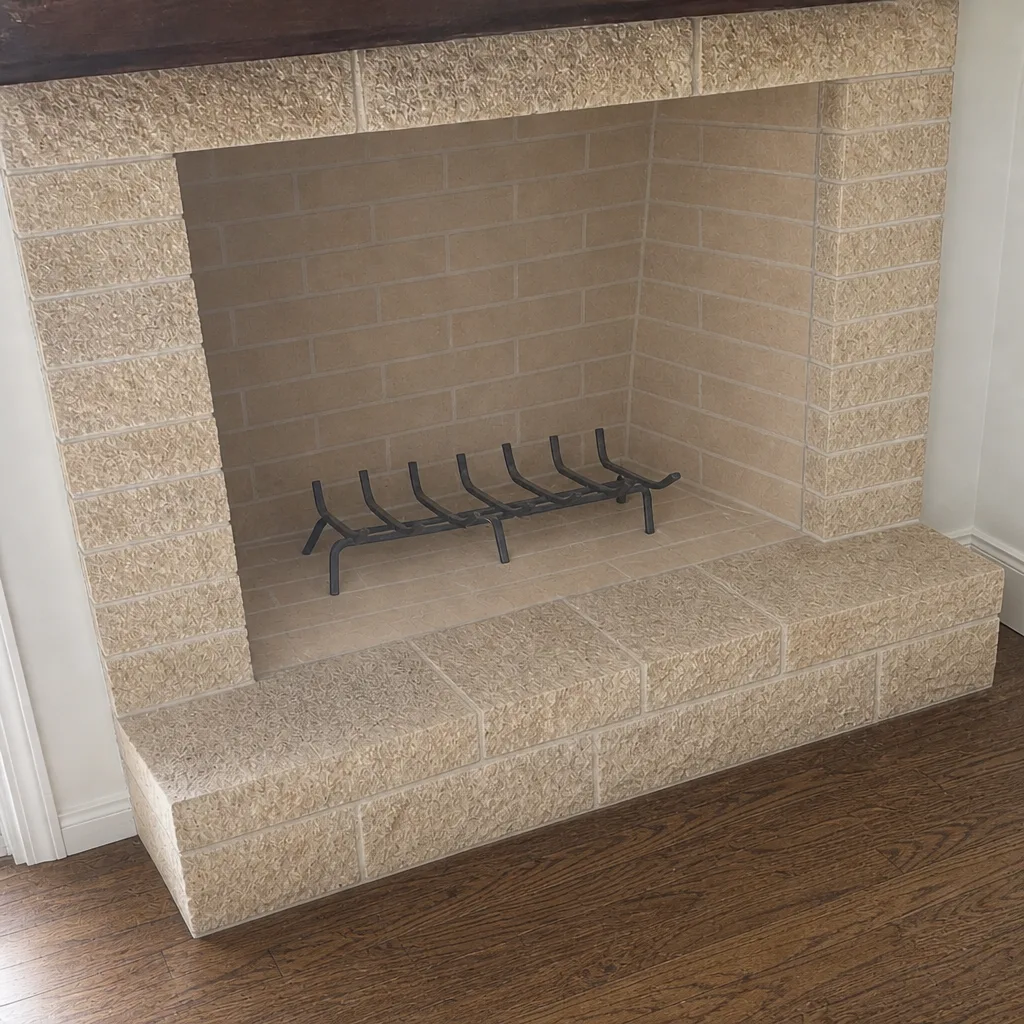
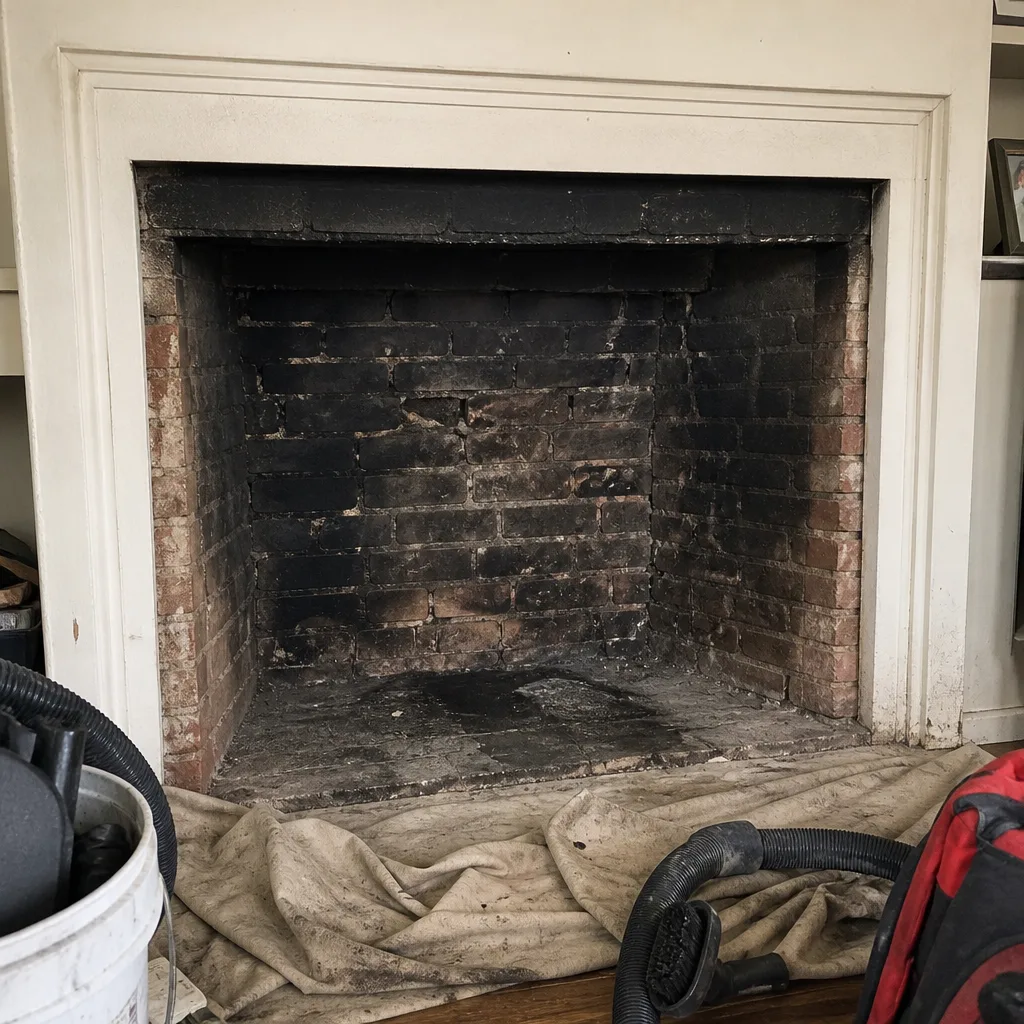
See the difference
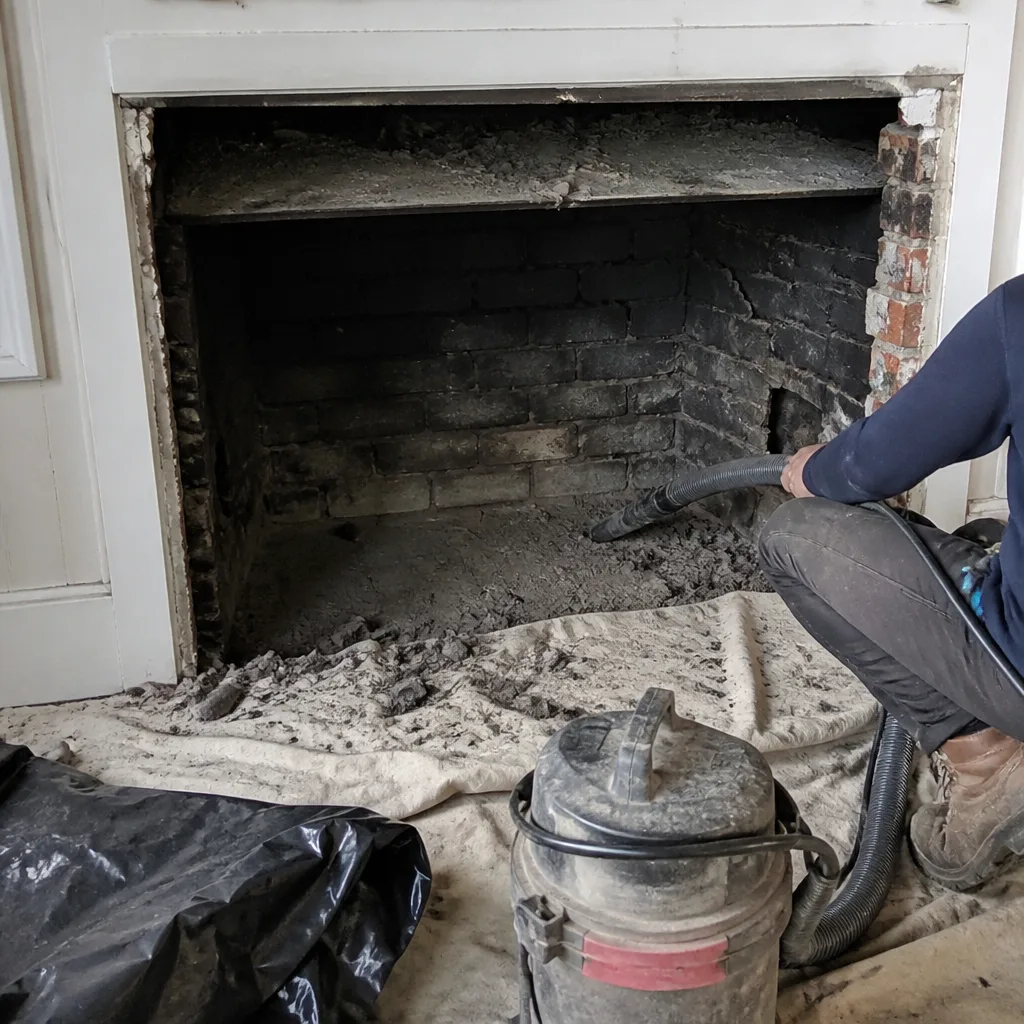 Before
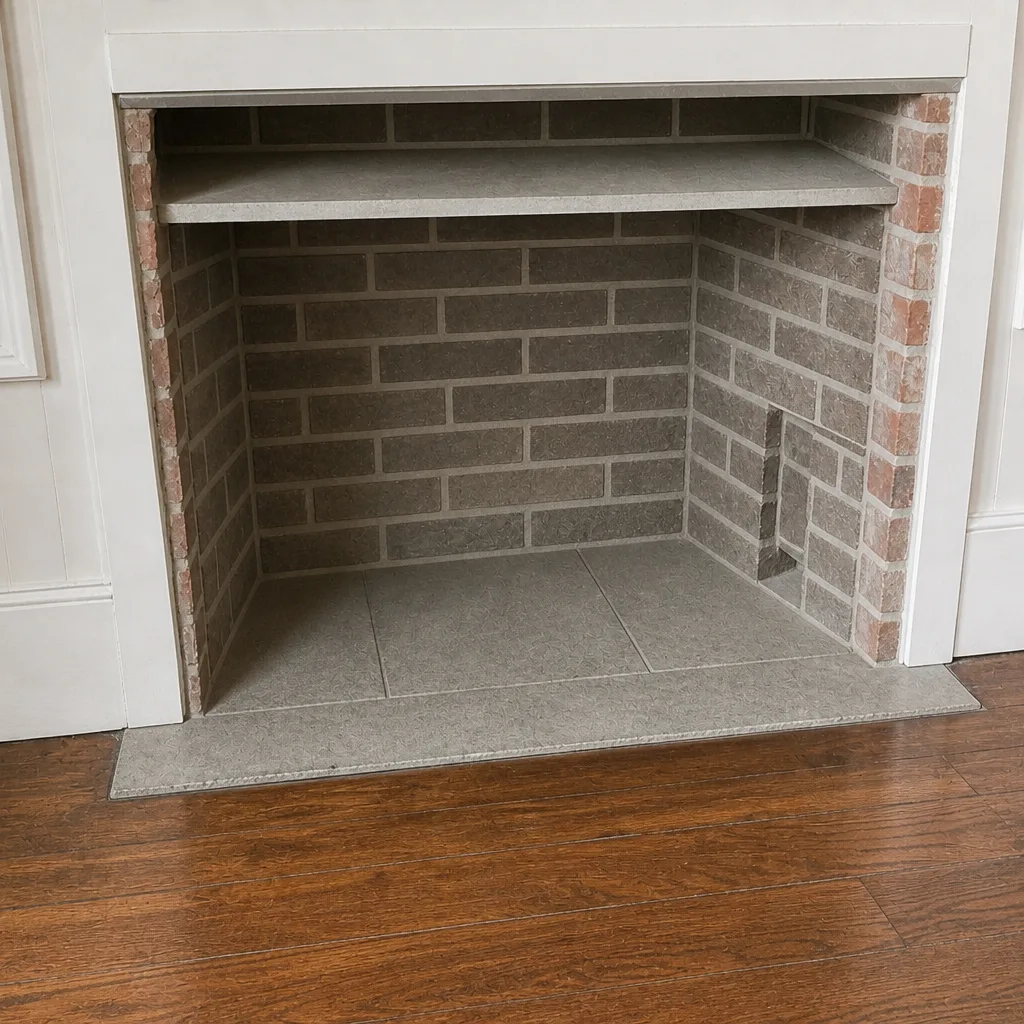 After
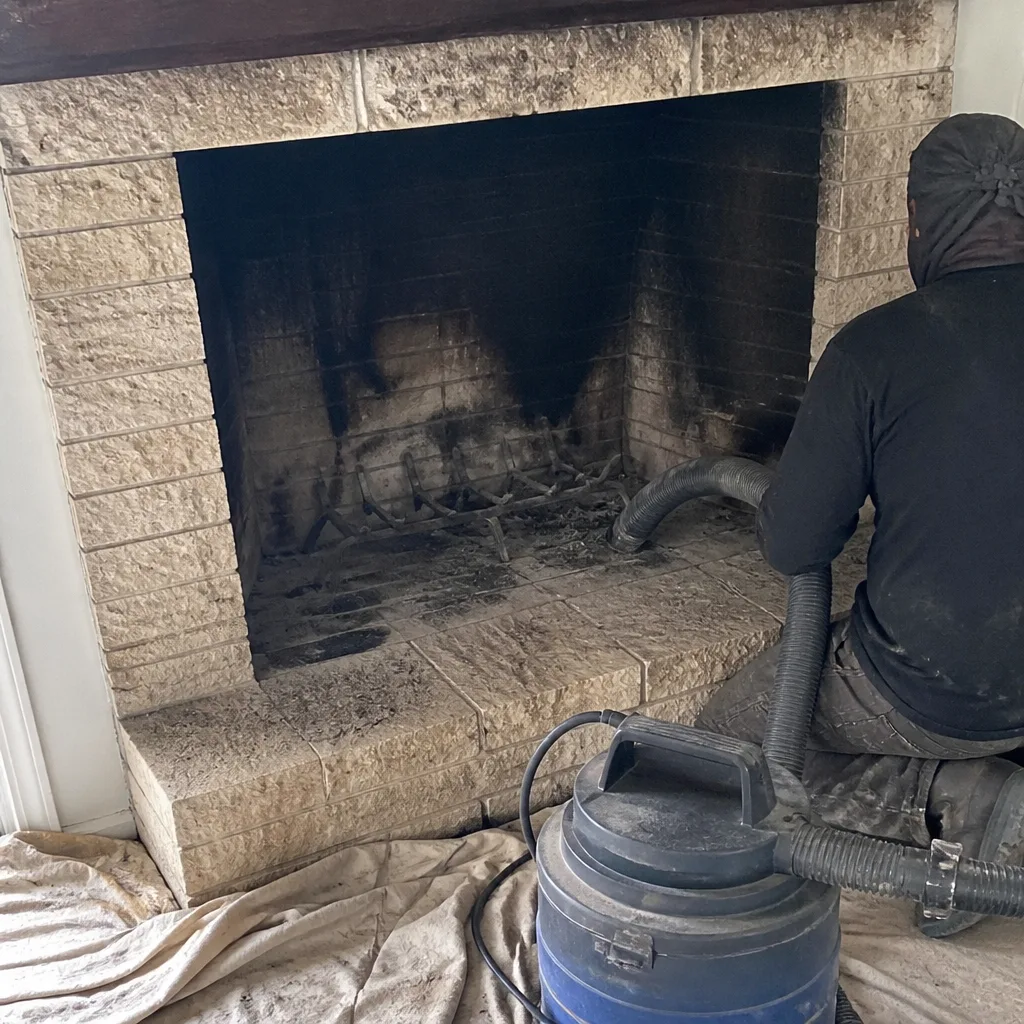 Before
 After
 Before
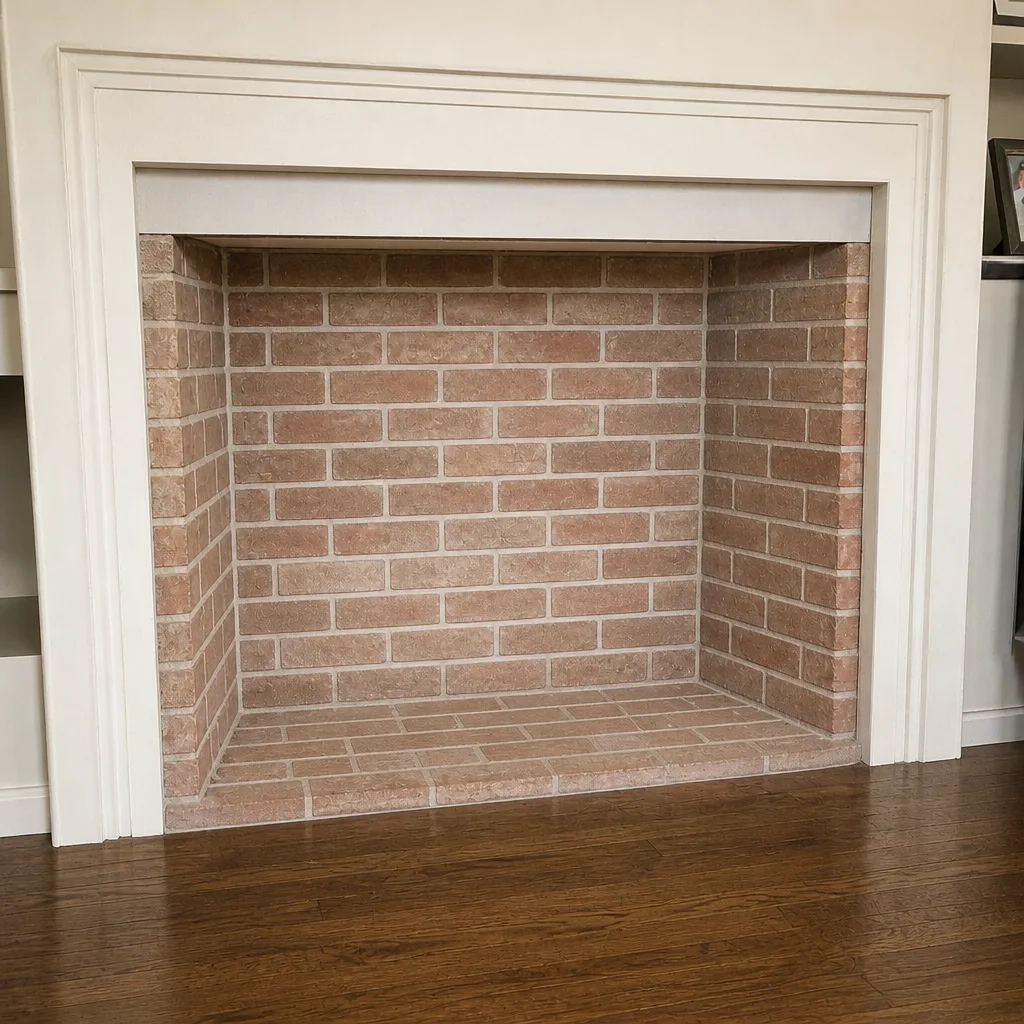 After
When to Call a Professional
If you haven’t had your chimney inspected in more than a year, or you’ve noticed smoke coming back into the room when a fire is lit, it’s time to call. Any visible sign of water in the firebox, a cracked or missing chimney cap, or a broken damper all point to a needed inspection. If you’re buying a Metairie home, a Level 2 inspection before closing is standard for a reason. And if your gas fireplace or gas log set has never been checked, a blocked vent is a carbon monoxide risk that no visible flame will warn you about.
The other reason to call is the dryer. A dryer that’s running hot, taking two cycles, or showing lint around the vent is worth a cleaning before it becomes a fire. Metairie Chimney Sweep offers free estimates in Metairie, covering chimney sweeping, dryer vent cleaning and chimney repair under one company. Call (855) 630-9846. We answer 24/7. Fast dispatch from 7am to 7pm, Sunday through Friday.
Our technicians have up to 9 years of experience, and we stock and install DuraFlex liner systems, HeatShield firebox and flue tile restoration, Gelco and Famco caps and venting, and Olympia Chimney components. That means a finding during a sweep can usually be fixed by the same company that found it, with materials built for the trade.
Frequently Asked Questions
A standard chimney cleaning in Metairie typically runs a few hundred dollars, and the final price depends on the flue size, how much creosote is present, and whether the smoke chamber and firebox need extra work. Pricing is per job and set by the written estimate, so the number you’re quoted is the number you agree to. Call (855) 630-9846 for an exact quote – estimates are free.
A chimney should be swept annually when wood is burned regularly, and inspected annually even when the fireplace sees only a few fires a year. In Metairie, the annual inspection matters more than the fire count, because humidity and occasional low-heat burning both build deposits and wear out the liner faster than steady burning would. Call (855) 630-9846 to book a sweep and inspection – estimates are free.
Not always. A cracked or deteriorated liner may be fixable with HeatShield restoration applied in place, which avoids a full tear-out and can save significant cost. Whether that’s an option depends on the extent of the damage, which shows up on the camera inspection. We’ll show you the photos and explain the options before recommending anything. Call (855) 630-9846 for an exact quote – estimates are free.
The creosote keeps building, eventually reaching the glazed Stage 3 layer that’s the usual fuel for a chimney fire, and moisture keeps working on the liner and crown. A chimney fire can damage the flue enough to require a full liner replacement, and a damaged liner lets fire reach the framing. In a gas fireplace, a skipped inspection can mean a blocked vent and a carbon monoxide risk. Call (855) 630-9846 before the next fire – estimates are free.
Yes. Gas burns cleaner than wood but still deposits combustion byproducts on the vent, and in Metairie’s humidity those deposits combine with moisture to accelerate corrosion. A blocked or deteriorating gas vent is a carbon monoxide risk with no visible smoke to warn you. Call (855) 630-9846 to schedule a gas fireplace vent inspection – estimates are free.
A full cleaning should include a camera inspection of the flue, a smoke chamber evaluation, a firebox check, a crown and cap inspection, and a written report with photos. Brushing alone removes Stage 1 deposits and reveals what’s underneath, but it can’t tell you about cracked tiles, Stage 3 creosote, or crown damage without the inspection. Call (855) 630-9846 for a full inspection – estimates are free.
The Bottom Line
Chimney cleaning in Metairie is a different job than it is in a cold, dry climate. Mild winters and occasional low-heat burning produce the stickiest creosote per fire, and Gulf humidity keeps flues wet between fires. Sweep annually if you burn wood, inspect annually even if you don’t, and treat gas fireplace vents and the dryer vent as part of the same fire-safety picture. Read your inspection report, insist on photos, and know which findings mean stop using the fireplace and which mean schedule a repair before next season. Our team at Metairie Chimney Sweep handles all of it – chimney sweeping, dryer vent cleaning and chimney repair, with professional-grade DuraFlex, HeatShield, Gelco, Olympia Chimney, Famco and Copperfield materials. When you’re ready for a real inspection, call (855) 630-9846. We answer 24/7. Fast dispatch from 7am to 7pm, Sunday through Friday. We serve homeowners across Metairie and welcome the chance to walk you through what we find.
Written by the team at Metairie Chimney Sweep.