
Last updated November 14, 2026
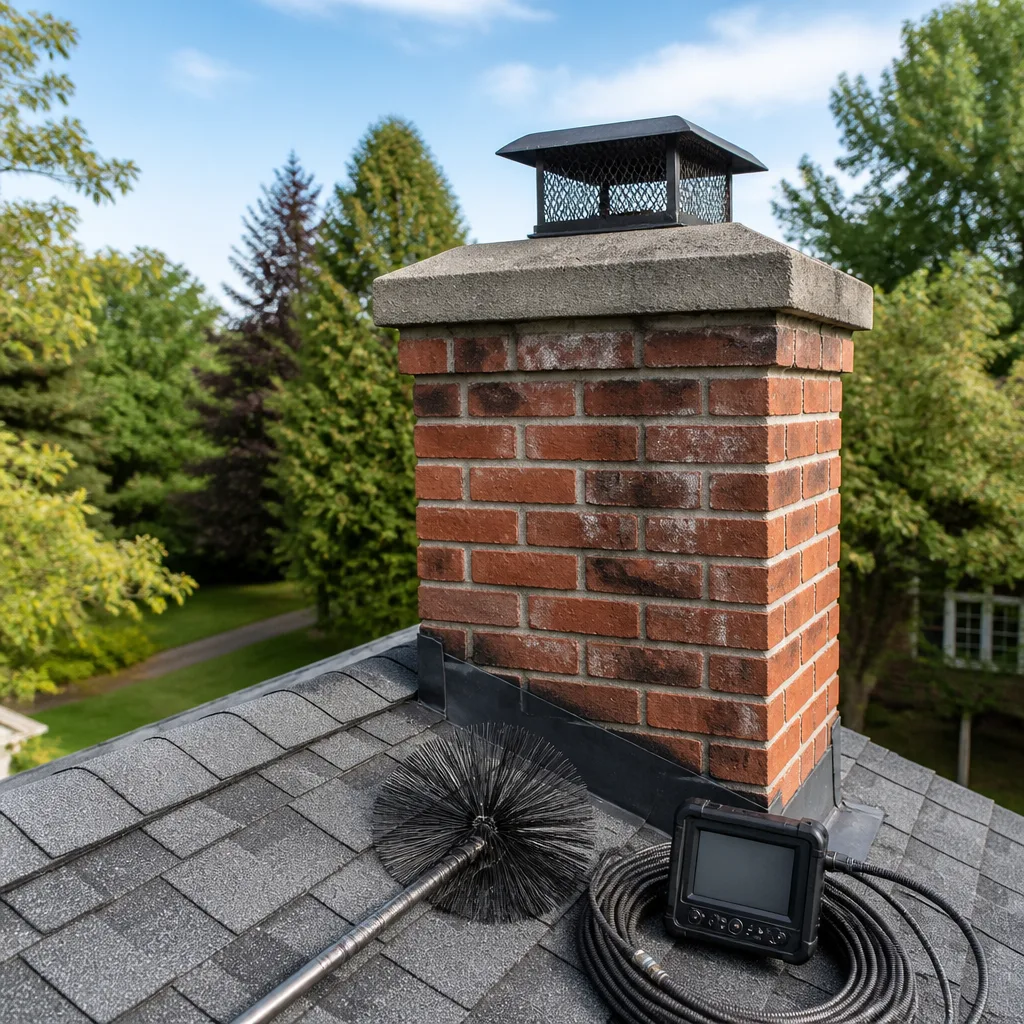 Sweep & inspection
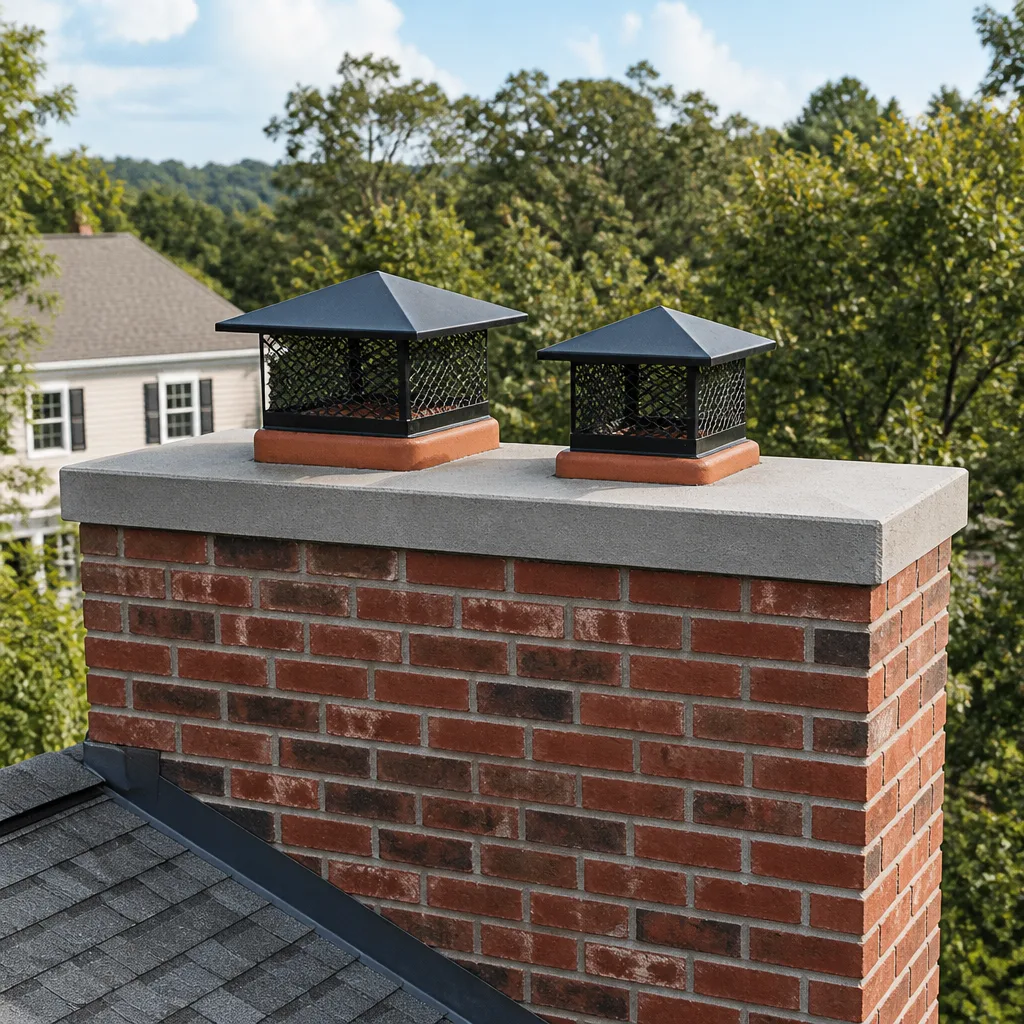 Caps & crowns
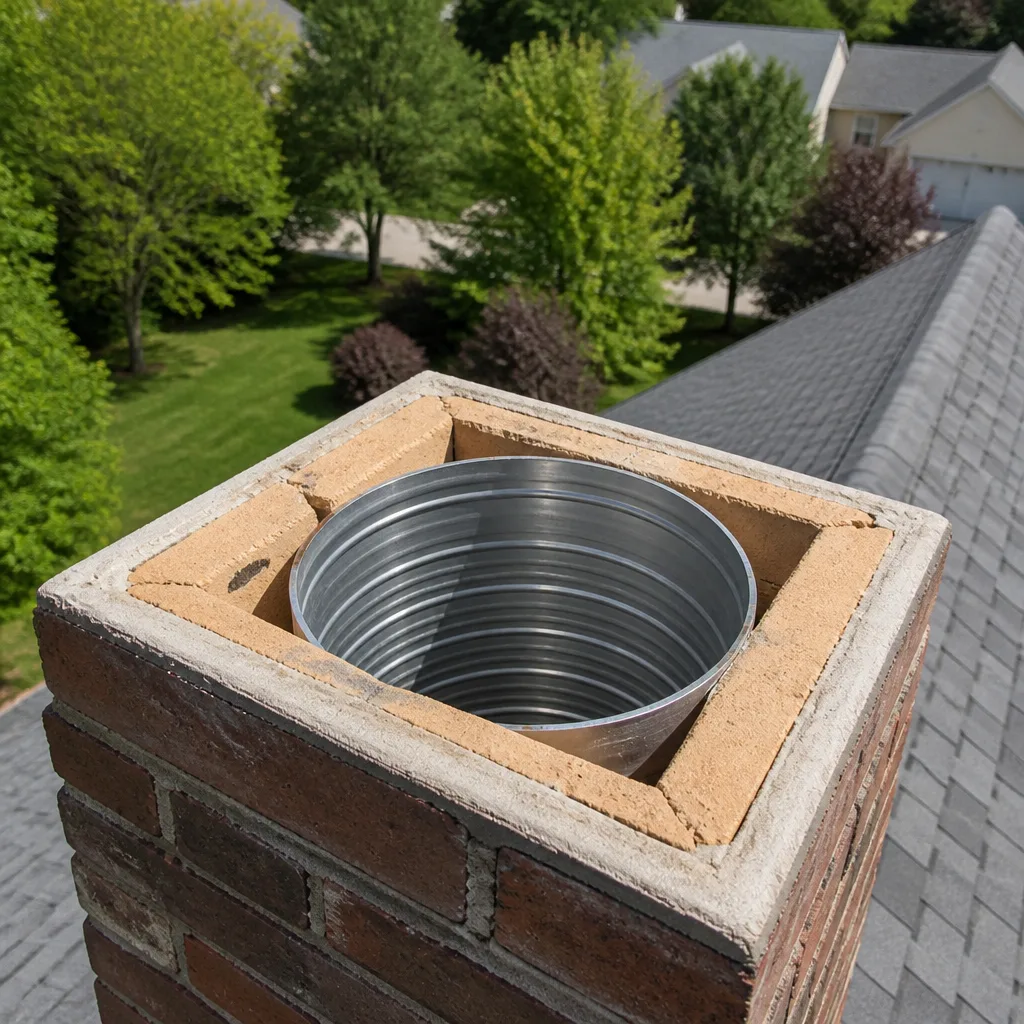 Flue relining
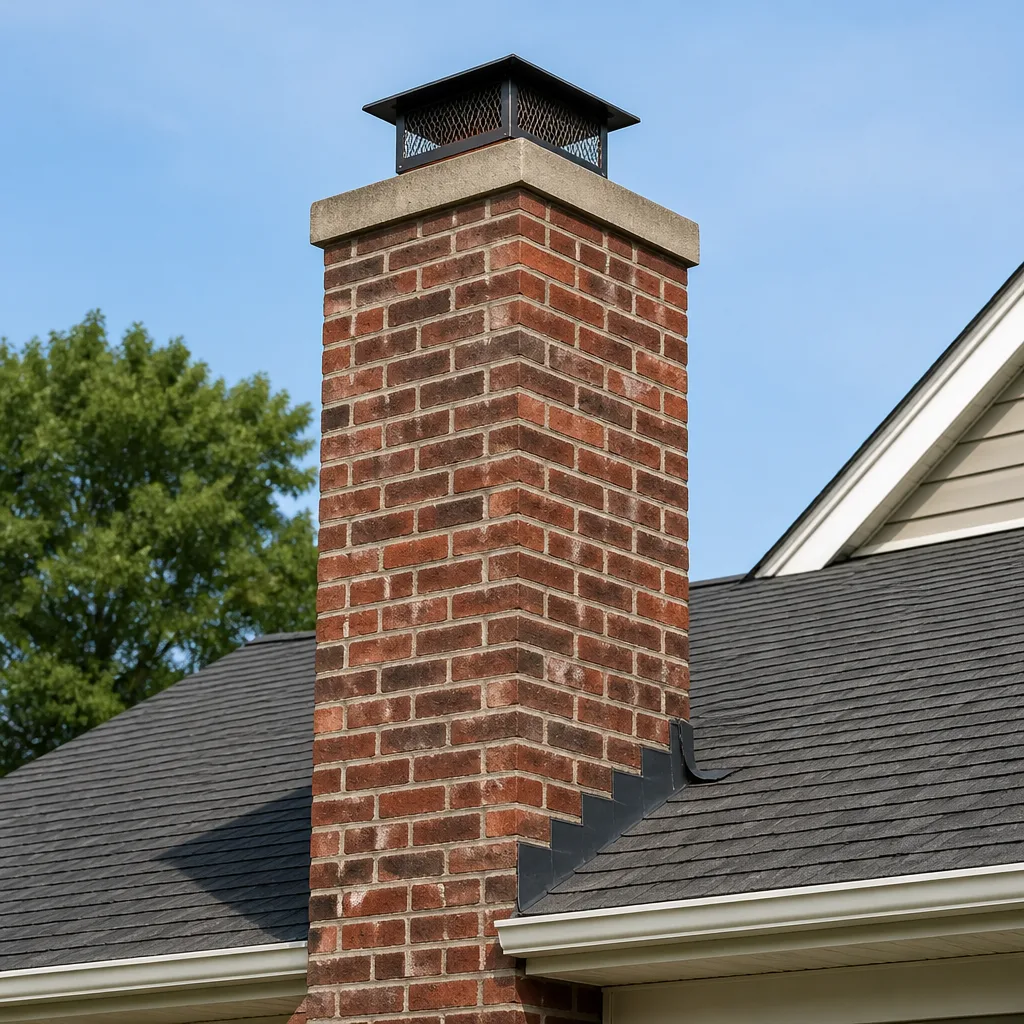 Masonry repair
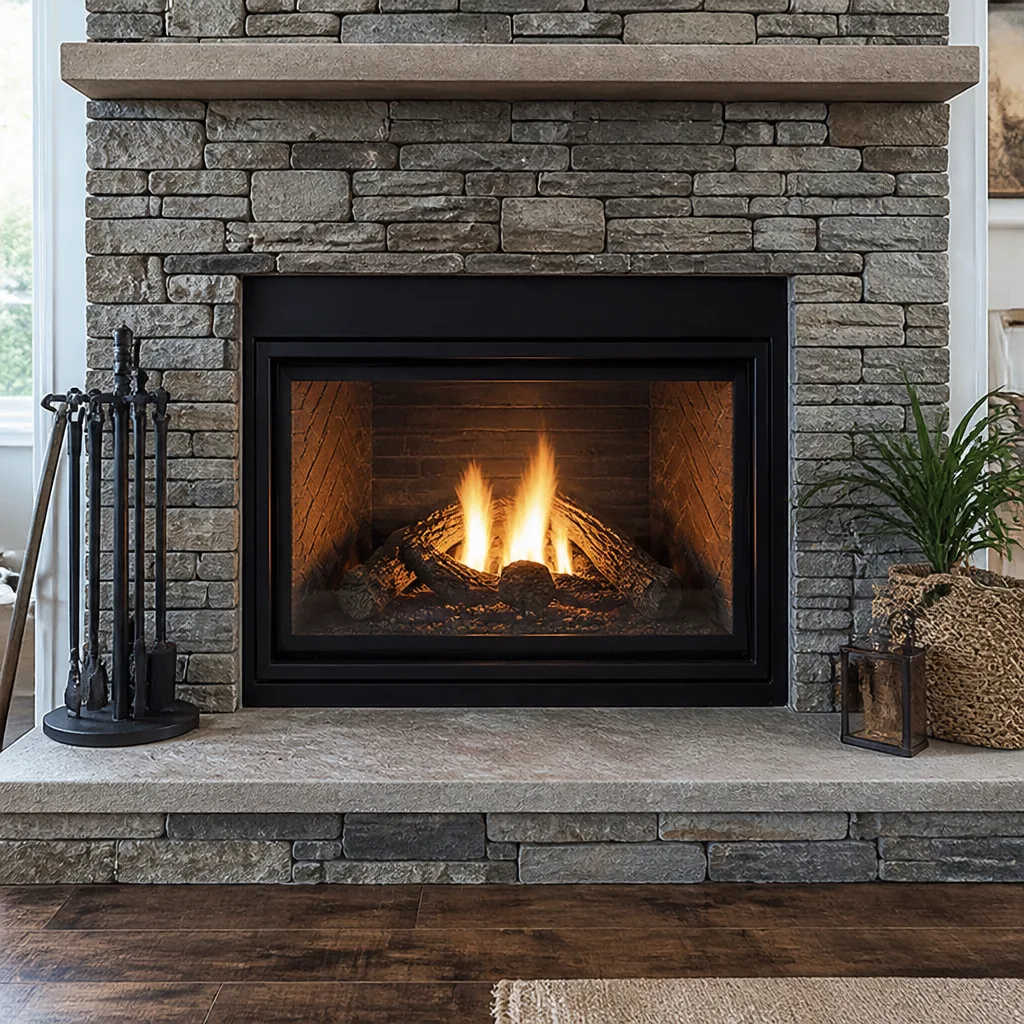 Gas fireplace service
Level 1 sweep and inspection to the NFPA 211 annual standard - flue, crown, cap, and flashing checked and photographed
Chimney sweep logs do not sweep chimneys. They loosen some creosote - which then falls where a brush and vacuum still have to collect it.
Seasonal Chimney Cleaning Care for Metairie: Year-Round Homeowner’s Guide
If you’re scheduling chimney cleaning every October like clockwork, you’re doing it right for Ohio. But in Metairie, waiting until fall means you’ve already missed the window to deal with six months of humidity, storm-driven rain, and whatever found its way into your flue while the fireplace sat idle. Our burning season is short and our storm season is long, and the calendar most chimney guides assume simply doesn’t fit here. What follows is the schedule that actually works for a Metairie home: when to clean, when to inspect, what to do with the fireplace through the summer, and how to check a chimney after a named storm before you light the first fire of the year.
Quick Answer
In Metairie, schedule your chimney cleaning and inspection in late summer, ideally July through early September, so storm damage and moisture intrusion get caught while there’s still time to complete repairs before the first burn. The burning season here runs roughly December through February, which means fall is too late to find a problem and spring cleaning misses the humidity damage that accumulates all summer. Late summer gives you better technician availability, a real repair window, and a flue that’s ready when the weather finally turns.
Styles & brands we work with
- Sweep & inspection
- Caps & crowns
- Flue relining
- Masonry repair
- Gas fireplace service
Table of Contents
- Why the Metairie Chimney Calendar Is Different
- The Optimal Cleaning and Inspection Calendar
- What to Do With Your Fireplace During Summer
- Assessing Your Chimney After a Named Storm
- Why Late Summer Beats Fall for Scheduling
- Seasonal Product Applications Mapped to the Year
- Common Mistakes to Avoid
- When to Call a Professional
Why the Metairie Chimney Calendar Is Different
Most chimney care advice in this country is written for a climate with a hard freeze and a long heating season. That advice assumes the chimney works hard for six months and then rests. Metairie runs the opposite way. The fireplace works for a brief stretch in the coolest part of the year, and the real damage happens while it sits unused.
Consider what your chimney is up against through a Metairie year. From late spring into early fall, the air carries heavy humidity and frequent afternoon storms roll through. Rain hits the chimney from angles a straight-downpour climate never produces, and wind-driven water finds every gap: a missing cap, a cracked crown, a failed flashing seal, a damper that doesn’t close flush. Add the heat. A masonry chimney absorbs moisture and then bakes in the sun, and that cycle repeats for months. The flue tiles and mortar joints take the worst of it.
Meanwhile, an open flue is an invitation. Birds, squirrels, and wasps treat a quiet chimney as prime real estate through the warm months when there’s no smoke to discourage them. A nest left in the flue through the summer is a blockage waiting for the first fire of the season.
So the seasonal logic in Metairie isn’t “clean up after the burning season.” It’s “protect the chimney through the off-season, then verify it’s intact before you use it again.” That reframing changes when you schedule work, what the work includes, and which repairs belong in which month. If you use a gas insert rather than wood, you still face the same moisture and animal issues, just with less creosote to clear.
The Optimal Cleaning and Inspection Calendar
Here’s the schedule we recommend for a Metairie home, built around the actual burning season and storm season rather than a national template. Treat it as a starting point and adjust for how much you burn and what your chimney is made of.
- Late winter to early spring (right after your last fire): Book a cleaning to clear the creosote and soot from the season just finished. Fresh creosote left sitting through a humid summer is worse than creosote cleared now. This is also the best time for a baseline inspection, because any wear shows clearly with the flue freshly cleaned.
- Late spring: Check the exterior. Look at the cap, the crown, the flashing where the chimney meets the roof, and the mortar joints. This is when you confirm waterproofing is intact before the heaviest rain months. A cap that’s loose or a crown that’s cracked will let in water all summer.
- Summer: Keep the damper closed when the fireplace isn’t in use to limit humid air moving up the flue, and keep an eye out for animal activity. If you notice debris, scratching, or a nest at the top, deal with it before it becomes a blockage.
- After any named storm or significant wind event: Do a visual check from the ground and, if anything looks off, get a professional assessment. More on this below.
- Late summer (July through early September): This is your main event. Schedule the full cleaning and inspection here. Any repair the inspection turns up can still be completed before the burning season starts.
- Just before first use (late fall): A quick functional check: damper operates freely, no visible debris or water staining, cap still in place. If the late-summer inspection was clean and nothing has changed, you’re ready to burn.
The core principle: the inspection that matters most is the one you do before the burning season, not after. It’s the difference between finding a problem while there’s time to fix it and finding it the night you want a fire.
What to Do With Your Fireplace and Flue During Summer
Summer is when a Metairie chimney takes its real beating, and it’s the season most homeowners ignore it entirely. A few habits through the warm months protect the flue and save you a repair later.
Close the damper. An open damper is a chimney’s biggest summer liability. It lets humid outside air move freely up the flue, where it condenses on cooler masonry and feeds the moisture problems that degrade mortar and tiles over time. Keep it shut when the fireplace is out of use.
Seal the top if the cap is compromised. A proper cap keeps rain, birds, and animals out of the flue. If yours is missing, damaged, or loose, that’s a summer priority, not a fall one. A cap that’s doing its job is the single most effective moisture defense a chimney has.
Watch for animals. A quiet flue is attractive to nesting birds and other animals through the warm months. If you hear scratching, notice nesting material at the top, or catch a smell from the fireplace, get it checked before the blockage becomes a safety issue when you next light a fire.
Check for water staining. Look at the firebox and the visible flue for dark streaks, white efflorescence, or rust on a metal firebox or damper. These are signs water is getting in somewhere above. Catching it in July gives you weeks to fix it before the burning season.
Keep the firebox dry and clear. Don’t store anything in the firebox through the summer, and don’t let debris collect there. It’s easier to spot a problem in an empty firebox.
None of this replaces a professional inspection, but it’s the low-effort maintenance that keeps a Metairie chimney from deteriorating quietly between visits. For the full cleaning side of the schedule, our chimney sweep service covers what a summer check can’t reach.
Assessing Your Chimney After a Named Storm
Metairie sits where storm season is a real part of the year, and a chimney is one of the most exposed structures on a house. High wind and driving rain stress the cap, the crown, the flashing, and the masonry itself. After a named storm or a significant wind event, it’s worth a careful look before the burning season arrives.
Here’s a safe assessment sequence for a homeowner, staying on the ground:
- Look at the roofline from a distance. Check whether the chimney is standing straight and whether any masonry or cap material is visibly missing or displaced. Don’t climb up to check.
- Check the ground and roof edges for fallen material. Bits of mortar, tile, or cap fragments at the base of the chimney or on the roof below it mean something came loose up top.
- Look for water intrusion inside. Check the firebox and damper area for fresh water staining, dampness, or rust. Storm-driven rain often finds a way in even when nothing looks wrong from outside.
- Confirm the cap is intact. A cap that survived the wind in place is doing its job. One that’s loose, tilted, or gone leaves the flue open to everything.
- Get a professional inspection if anything looks off, or if the storm was severe. Wind damage to flashing and crowns often isn’t visible from the ground, and a compromised crown lets water into the masonry all summer.
Storm damage is exactly the kind of thing that’s cheap to fix early and expensive to fix late. A loose cap or a cracked crown caught after the storm is a small repair. Left through a humid summer, water intrusion into the masonry turns into a much larger job. Our team handles Metairie Chimney Sweep repair work alongside cleaning, so a storm assessment and the fix that follows happen with the same company.
Why Late Summer Beats Fall for Scheduling
Here’s a scheduling insight that pays off every year: homeowners across the country book chimney work in October, right as the heating season begins. That’s the wrong month in Metairie for two reasons.
The first is practical availability. When everyone schedules in fall, technicians fill up and wait times stretch. Booking in late summer, before the fall rush, means you get on the calendar when it suits you and you’re not competing for a slot. Better availability isn’t a small thing when it’s the difference between an inspection in August and one squeezed in the week you want to light a fire.
The second reason matters more. A late-summer inspection catches storm damage and moisture problems while there’s still time to complete the repair before the burning season. If you find a cracked crown or a failing cap in October and the fix can’t be scheduled before the cold arrives, you’re choosing between burning with a known problem or going without a fire. Find it in August and the repair is done long before you need the fireplace.
There’s a third, quieter reason: a chimney that’s been inspected and cleaned in late summer has spent the rest of the humid season with known-good waterproofing and a secure cap. The repair you complete in August protects the flue through September and October, when the moisture load is still high. The repair you complete in October protects it starting in November, after the damage is done.
So the calendar flips the national habit. Fall is for the last functional check and first fire, not for the main inspection and repair. Late summer is where the real work belongs. “Found during your sweep, fixed on the same visit” is easy to say in August and much harder to deliver in the first cold week of December.
Seasonal Product Applications Mapped to the Year
The right time to apply waterproofing, inspect a cap, or seal a damper depends on the Metairie climate, not the calendar printed on a product label. Here’s how we map the seasonal applications to the right time of year.
- Waterproofing on masonry: Best applied in late spring or early summer, before the heaviest rain and humidity, so the treatment has cured and is protecting the masonry through the wettest months. Applying it in fall protects the chimney after the moisture load has already passed.
- Cap inspection and replacement: Check in late spring and again after any named storm. A cap is the chimney’s first line of defense against rain and animals, so it should be confirmed intact going into summer and confirmed intact coming out. We typically carry Gelco and Copperfield caps and venting components built for the trade rather than hardware-store substitutes.
- Damper sealing and repair: A damper that doesn’t close flush lets humid air up the flue all summer. Get it checked and, if needed, repaired in late spring so it’s sealing properly through the season when it matters most.
- Flue liner work: When an inspection reveals a deteriorated flue, liner work or a HeatShield restoration coating is typically completed in late summer or early fall, after the inspection and before the burning season. HeatShield lets us restore a deteriorating firebox or flue without a full tear-out in many cases, which keeps the job smaller and the downtime short.
- Creosote removal and sweeping: Done right after the last fire of the season and again in late summer before the next one, so the flue goes into both the idle season and the burning season clean.
- Dryer vent cleaning: Your dryer vent is a chimney too, and it runs year-round. Schedule it whenever the dryer starts running hot or slow, or once a year as routine. It doesn’t follow the fireplace calendar because it doesn’t rest in the summer.
The principle behind all of this: waterproofing and sealing protect against the season that’s coming, so apply them before it arrives. Liner and liner restoration work fixes what inspection found, so it belongs between inspection and first burn. For the repair side of these applications, our dryer vent cleaning alongside our chimney work covers both chimneys a Metairie home runs.
Common Mistakes to Avoid
We see the same handful of seasonal mistakes across Metairie homes. Each one costs either money or safety, and each is easy to avoid.
- Treating fall as the main event. Most homeowners on a national calendar book their inspection in October. In Metairie that’s the last functional check before burning, not the main inspection. By October, storm damage has sat through months of humidity and there’s no repair window left before the season.
- Leaving the damper open all summer. An open damper is the most common cause of summer moisture problems. Humid air moves up the flue and condenses on the masonry. Closing it costs nothing and prevents damage.
- Ignoring the chimney after a storm. A storm knocks a cap loose or cracks a crown, and the homeowner assumes everything is fine because the fireplace isn’t in use. Wind damage plus a humid summer is a bad combination for masonry. Get the chimney checked after a significant storm, not just at the next cleaning.
- Skipping the pre-season inspection because the fireplace “worked fine last year.” A chimney doesn’t tell you it’s compromised until it’s used. Last year’s clean burn says nothing about what six months of summer did to the flue, the cap, or the liner.
- Clearing a nest or debris yourself. A blocked flue is a reason to call a professional, not a reason to reach into it. Animal nests, soot, and creosote all pose real hazards, and the blockage may be part of a larger problem you can’t see from below.
- Applying waterproofing at the wrong time. Waterproofing applied in November, after the rain season, protects your chimney through the driest part of the year and does little through the wet months. Match the application to the season it’s meant to defend against.
- Forgetting the dryer vent. A clogged dryer vent is a fire risk that has nothing to do with the fireplace and everything to do with the same home. It doesn’t rest in summer, so it doesn’t belong on the fireplace’s seasonal calendar.
When to Call a Professional
Some seasonal checks you can do yourself from the ground. Others belong to a professional because of what’s involved or the risk of missing something. Call us when any of these come up: your pre-season inspection is due and you want it done in late summer while repairs are still possible; a storm has passed and your chimney’s cap, crown, or flashing looks compromised; water staining or dampness shows up in the firebox; you hear or smell animal activity in the flue; your dryer runs hot or slow; or your last inspection turned up a problem you haven’t yet addressed. We handle chimney sweeping, dryer vent cleaning, and chimney repair, with professional-grade materials including DuraFlex, HeatShield, Gelco, and Olympia Chimney components, so a diagnosis and the fix happen together rather than across two different companies. When an inspection finds deterioration, we can often restore a flue with HeatShield rather than tearing out a full liner. Metairie Chimney Sweep offers free estimates in Metairie. Call (855) 630-9846. We answer 24/7. Fast dispatch from 7am to 7pm, Sunday through Friday.
See the difference
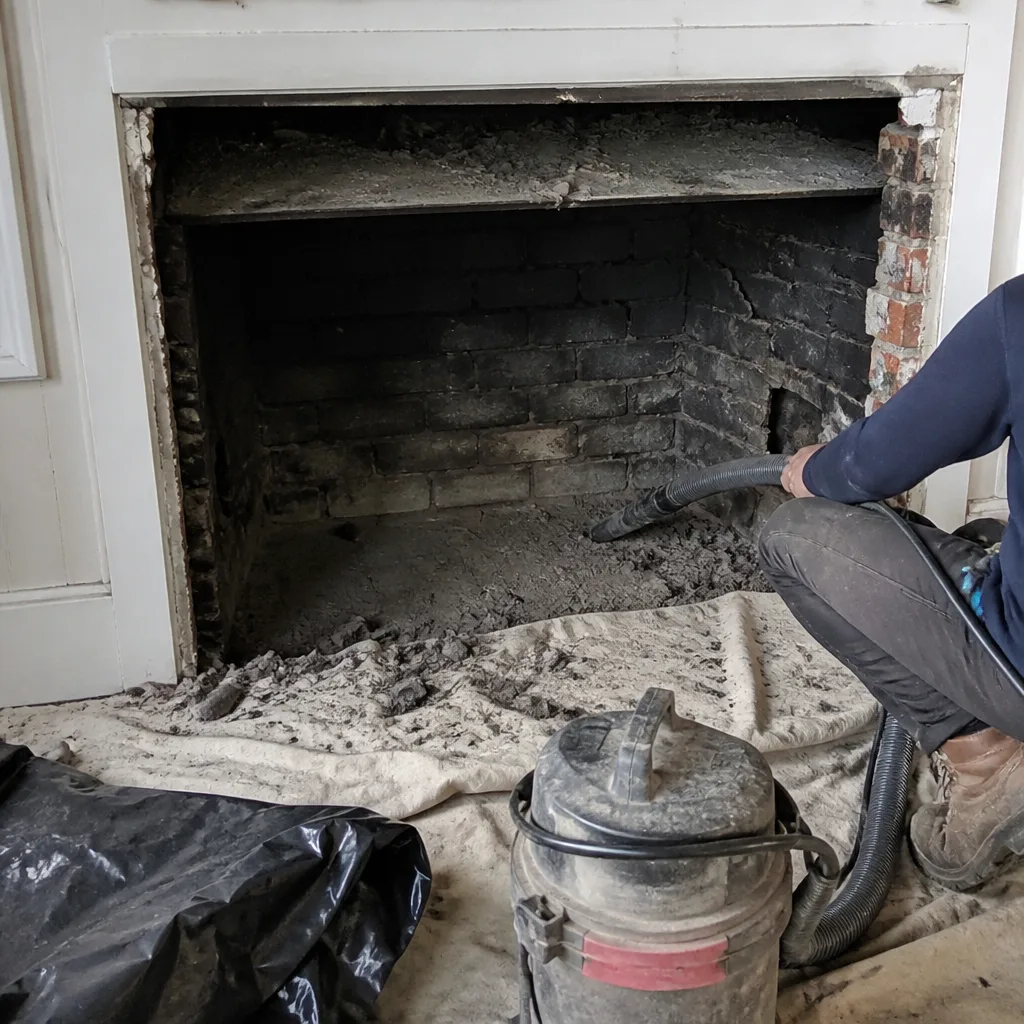 Before
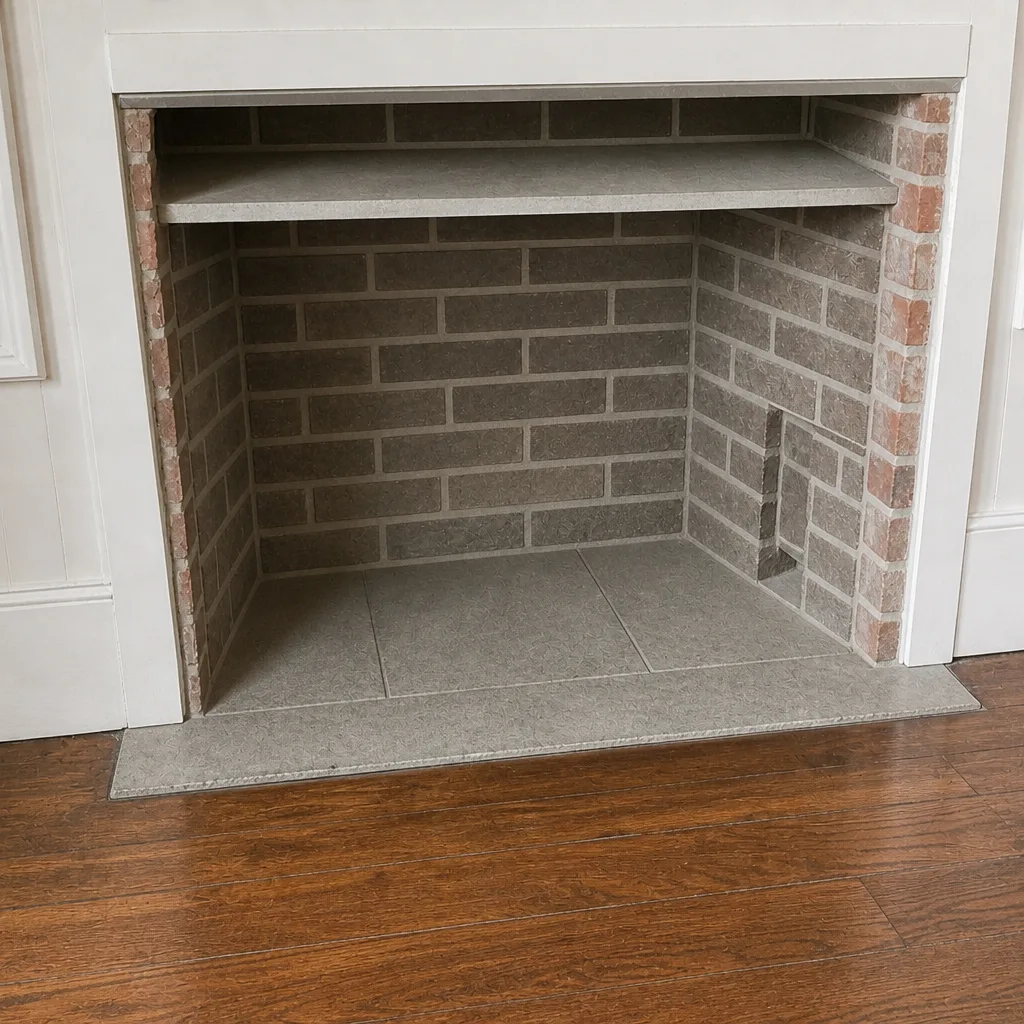 After
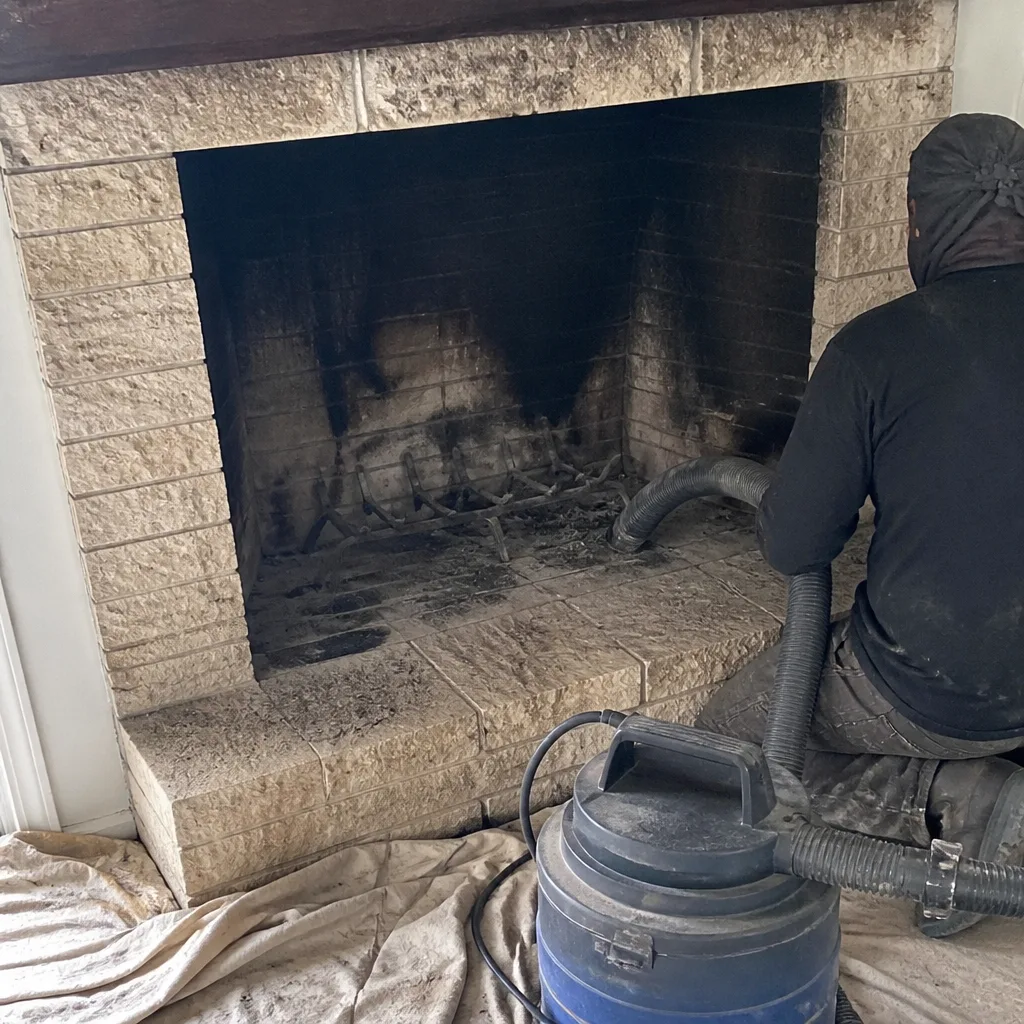 Before
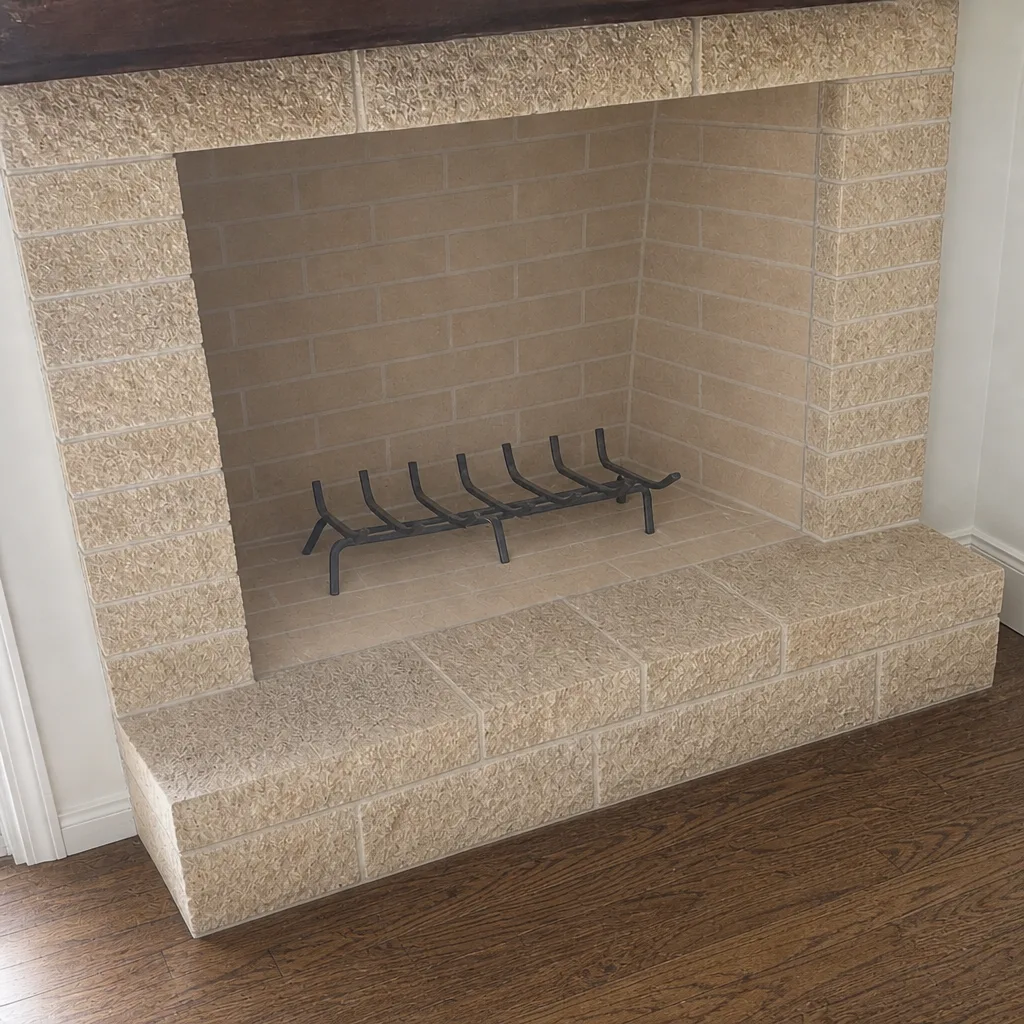 After
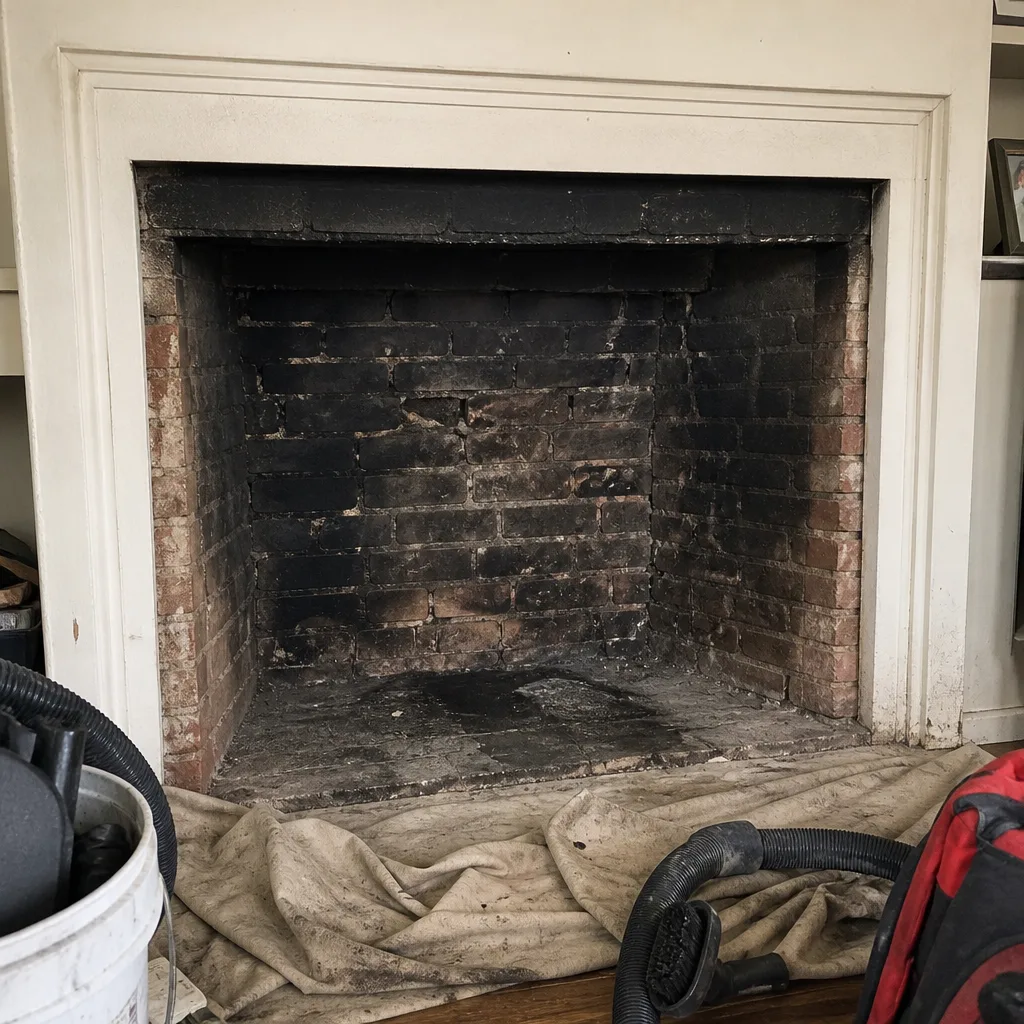 Before
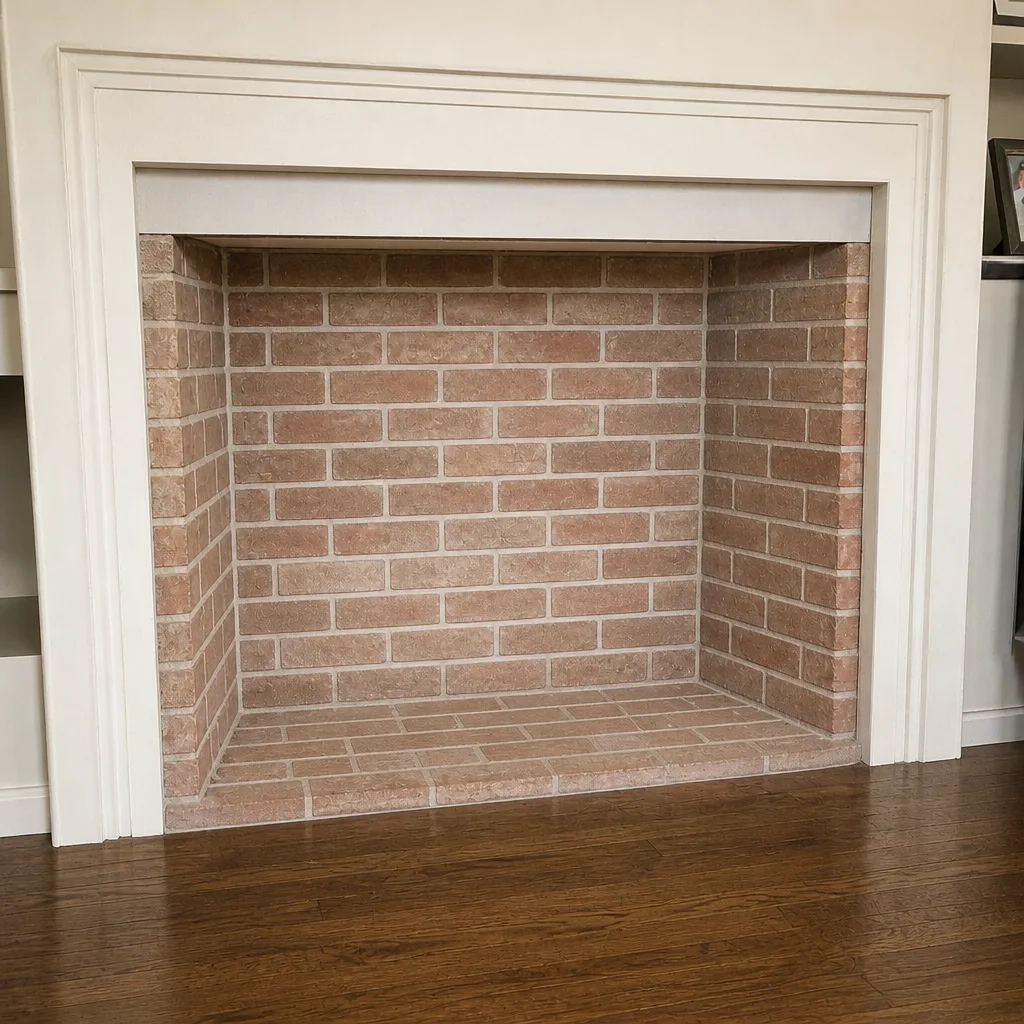 After
Frequently Asked Questions
Once a year is the baseline for a Metairie home, scheduled in late summer so the cleaning and inspection fall before the burning season. If you burn more than a few cords of wood through the season, or you notice creosote buildup, you may need it more often. A gas insert still gets an annual inspection even though there’s little creosote to clear, because the moisture and animal issues are the same. Call (855) 630-9846 and we’ll help you set the right interval for how you use the fireplace.
Late summer, from July into early September, is the best window. It’s after the worst of storm season has passed, before the fall booking rush, and early enough that any repair found during the inspection can be completed before the first fire of the burning season. A fall inspection is really just a last check before use, and an October inspection often leaves no time to fix what it finds.
Keep the damper closed when the fireplace isn’t in use, so humid air doesn’t move up the flue and condense on the masonry. Confirm the cap is intact and doing its job as a moisture barrier. Watch for signs of animal nesting in the flue, and check the firebox for water staining or rust. Then get a professional inspection in late summer to confirm everything is sound before you start burning. Call (855) 630-9846 to schedule it ahead of the burning season.
Look for fallen mortar, tile, or cap material at the base of the chimney; check that the chimney is standing straight; inspect the cap and crown for displacement; and check inside the firebox and damper area for fresh water staining or rust. If anything looks off, or if the storm was severe, get a professional inspection. Wind damage to flashing and crowns often isn’t visible from the ground. Call (855) 630-9846 after a storm and we’ll assess it before the burning season.
Not every problem needs a full liner replacement. If the flue tiles are deteriorating but still structurally sound enough, a HeatShield restoration coating can often restore the liner in place rather than tearing it out, which keeps the job smaller. A professional inspection tells you which applies: it looks at the condition of the tiles and the firebox and matches the repair to what’s actually there. We can carry out the repair with DuraFlex liner systems or HeatShield restoration depending on what the flue needs. Call (855) 630-9846 for a free estimate.
Skipping a year leaves creosote to build, and through a Metairie summer it leaves the flue and masonry exposed to months of humidity and storm-driven rain that a fresh inspection and intact waterproofing would have caught. A loose cap or cracked crown can let in water all season, and a blocked flue creates a safety problem the first time you light a fire. The repair that would have been small in summer is often larger by the time fall arrives.
The Bottom Line
The Metairie chimney calendar runs on humidity and storms, not on the national fall-prep template. Your main cleaning and inspection belong in late summer, after storm season and before the burning season, so any damage has a repair window before first use. Summer is when you protect the flue: closed damper, intact cap, watchful eye for animals, and a check for water staining. After a named storm, get the chimney assessed. And match waterproofing and cap work to the season they defend against, not to the label on the product. That schedule keeps a Metairie chimney sound year-round and ready when the weather finally cooperates.
If your chimney is due for a late-summer cleaning and inspection, or you’re not sure when it was last looked at, give us a call. Metairie Chimney Sweep handles chimney sweeping, dryer vent cleaning, and chimney repair with professional-grade materials. Call (855) 630-9846 for a free estimate. We answer 24/7. Fast dispatch from 7am to 7pm, Sunday through Friday.
Written by the team at Metairie Chimney Sweep.