
Last updated November 14, 2026
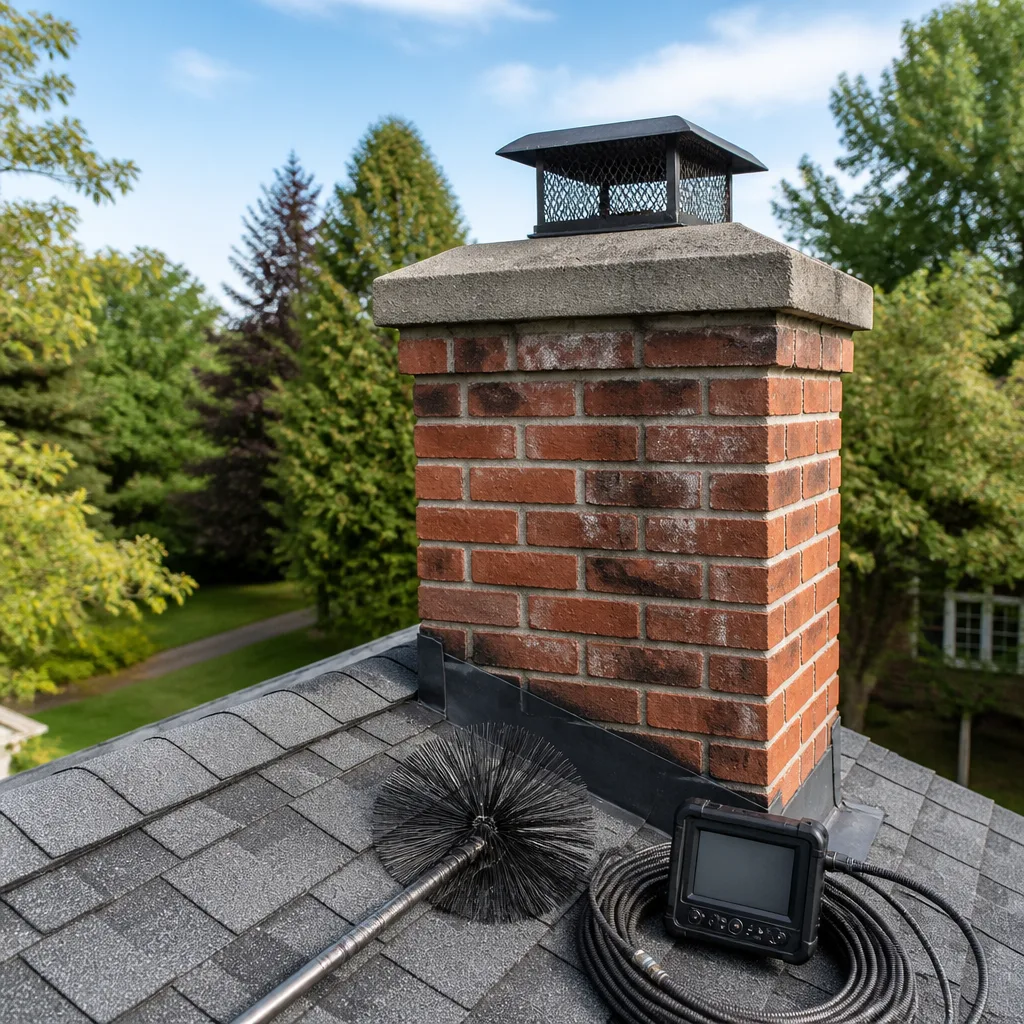 Sweep & inspection
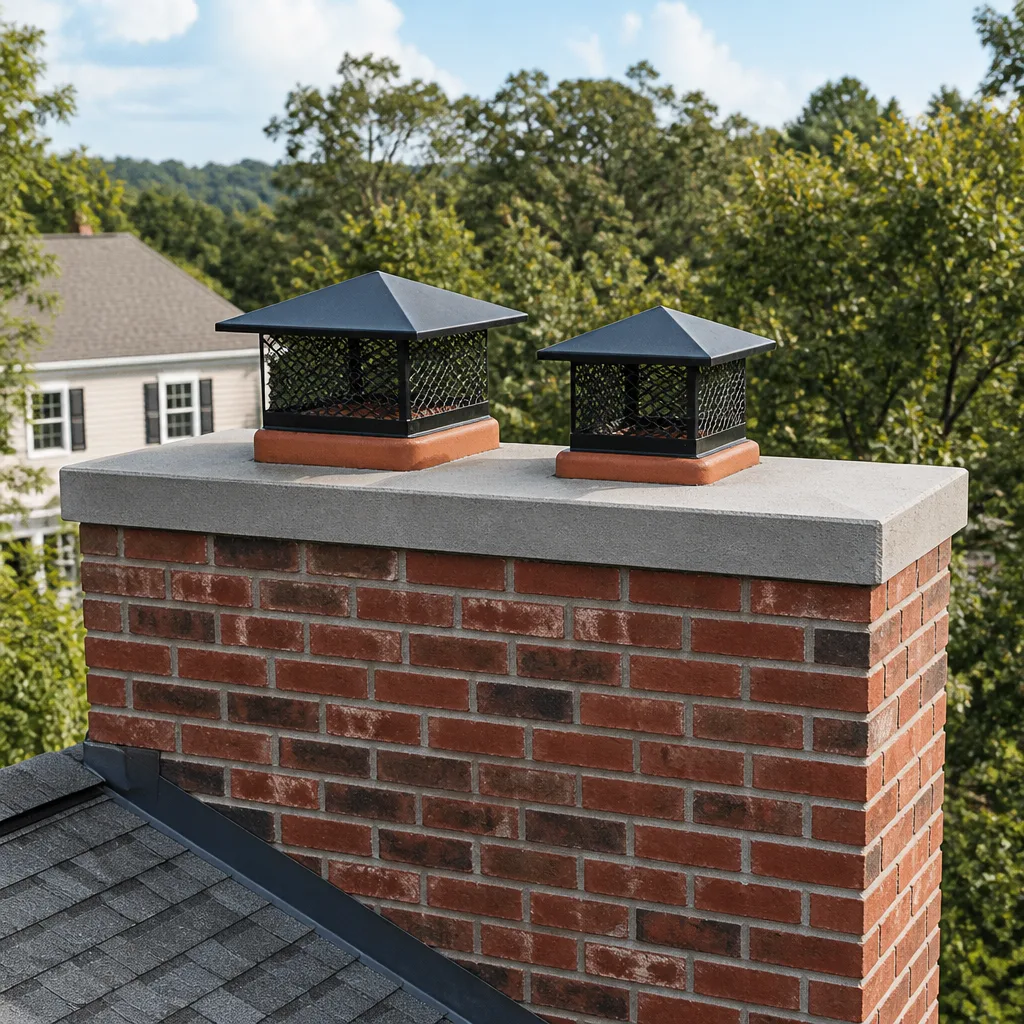 Caps & crowns
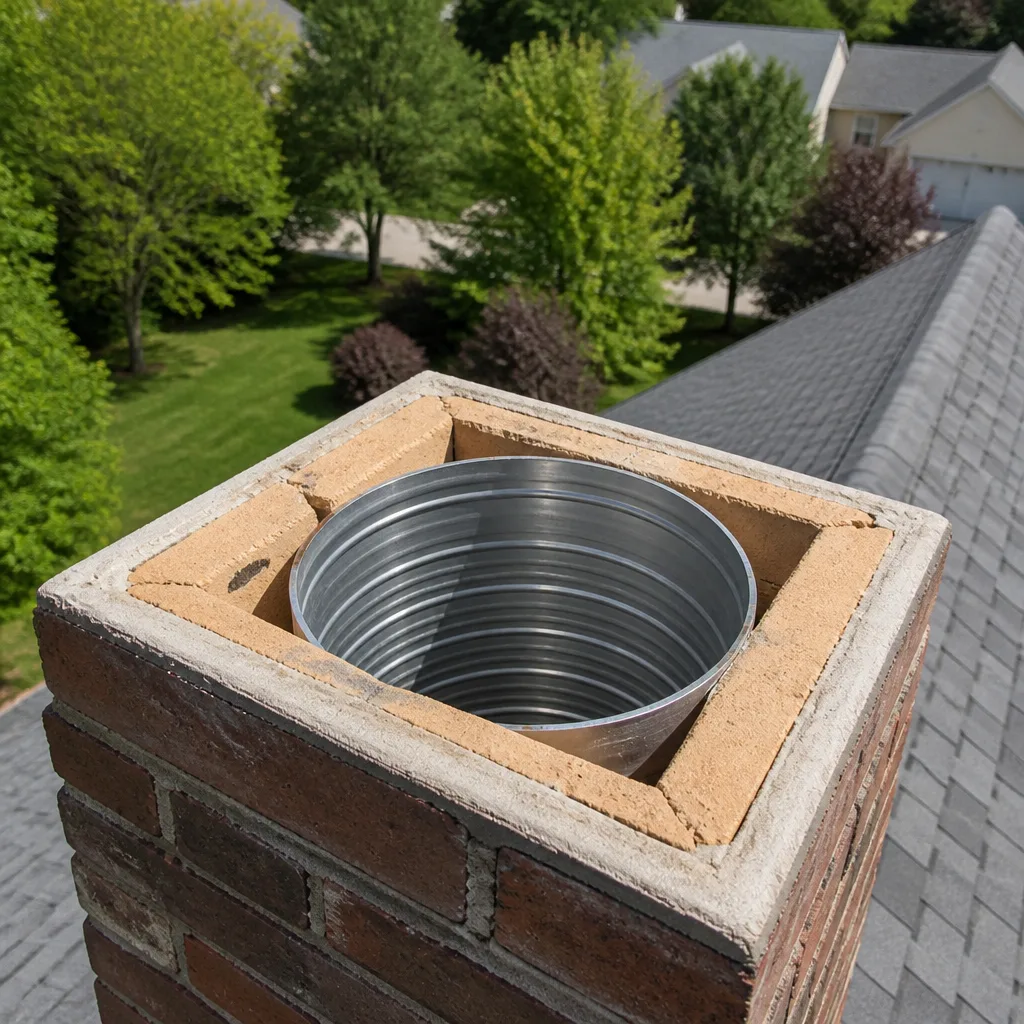 Flue relining
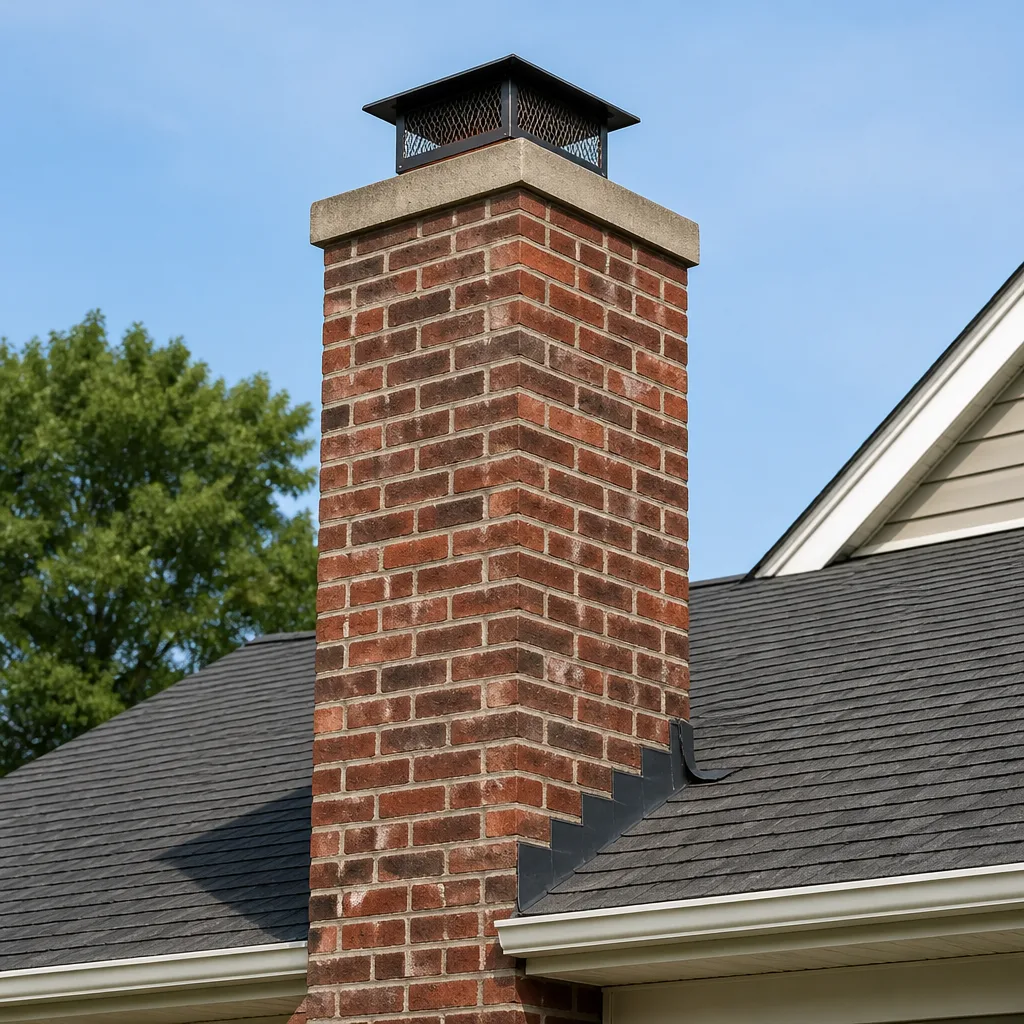 Masonry repair
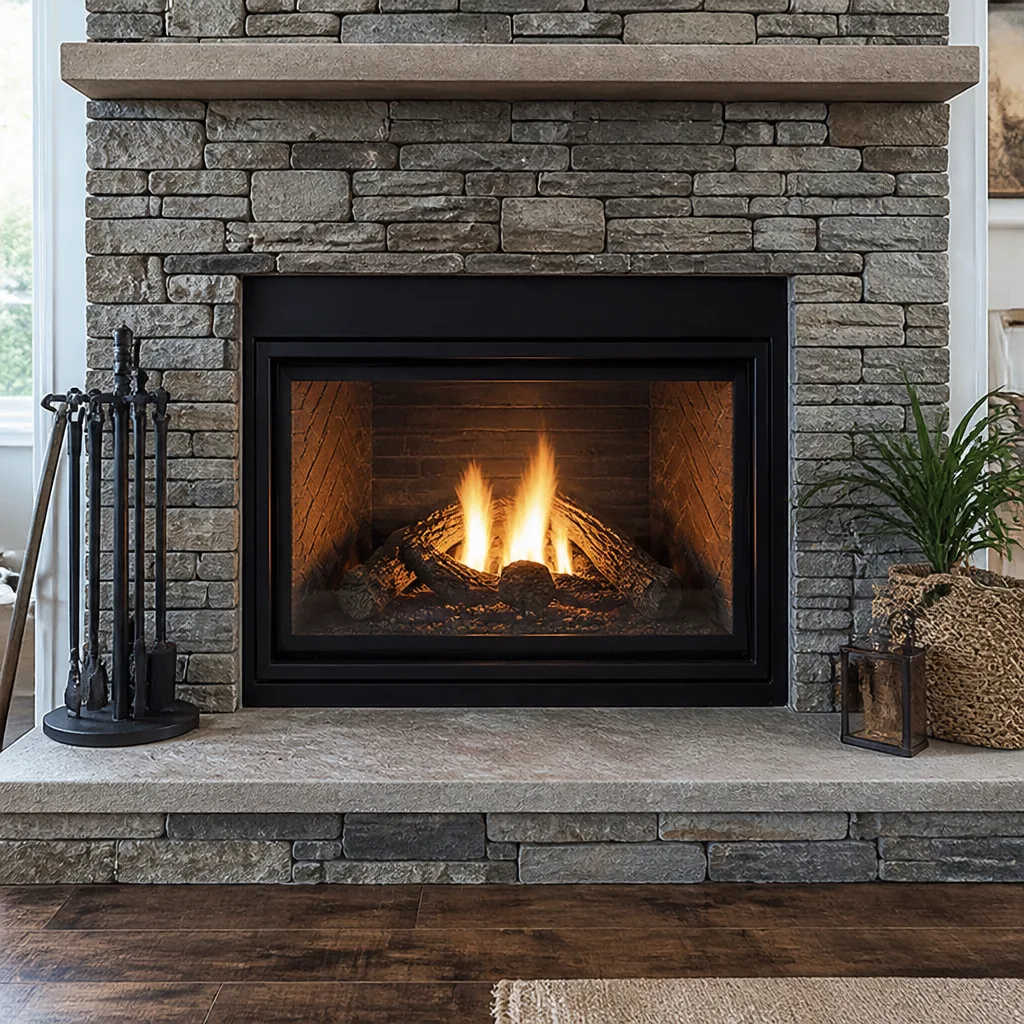 Gas fireplace service
Level 1 sweep and inspection to the NFPA 211 annual standard - flue, crown, cap, and flashing checked and photographed
Chimney sweep logs do not sweep chimneys. They loosen some creosote - which then falls where a brush and vacuum still have to collect it.
Chimney Cleaning Permits, Codes & Inspections in Metairie, LA: What You Need to Know
A chimney company that tells you no permit is ever needed for chimney work in Louisiana either isn’t doing repairs, or isn’t pulling the permits they should be. Both are problems worth understanding before anyone touches your flue. The truth sits in a boring but important middle: most routine cleanings are maintenance and don’t require a permit, but the liner replacements, firebox rebuilds, and venting changes that often follow a cleaning usually do. Homeowners who don’t know where that line falls can end up with unpermitted work that complicates insurance claims and slows a resale. This guide draws the line clearly for Metairie homeowners, from what a Level 2 inspection covers to the paperwork you should keep after any service.
Quick Answer
Routine chimney sweeping in Metairie and the rest of Jefferson Parish is classified as maintenance and generally doesn’t require a permit. Structural work that follows a cleaning – liner replacement, firebox rebuilds, new venting through a wall or roof, or changes to the flue system – typically does require a permit and an inspection, and Louisiana State Fire Marshal standards for venting apply to that work alongside local building codes. When in doubt, ask your city’s building department and get the answer in writing before work begins.
Styles & brands we work with
- Sweep & inspection
- Caps & crowns
- Flue relining
- Masonry repair
- Gas fireplace service
Table of Contents
- Which Chimney Services Need a Permit in Metairie?
- How Louisiana Fire Marshal Standards Meet Local Metairie Codes
- What a Level 2 Inspection Covers and When It’s Required
- How Unpermitted Chimney Work Affects Insurance Claims
- What Paperwork to Keep After Any Chimney Service
- Why Metairie’s Climate and Housing Stock Shape Chimney Wear
- Dryer Vent Codes: The Overlooked Half of Home Venting
- How to Choose a Chimney Company That Handles Permits Correctly
Which Chimney Services Need a Permit in Metairie?
The simplest way to think about it: cleaning is maintenance, and repairs are construction. A sweep that removes creosote from an existing flue doesn’t change the structure of your home, so it isn’t a permitted activity. The moment a technician cuts into a chimney, replaces a liner, or alters how exhaust leaves the house, you’ve crossed into work that usually needs a permit and an inspection.
Here’s how the split generally falls in Metairie:
- No permit typically required: routine sweeping, a visual Level 1 inspection, installing or replacing a chimney cap, minor mortar touch-ups on the exterior crown, and dryer vent cleaning.
- Permit typically required: full liner replacement, firebox rebuilds, relining with a flexible stainless system, adding or relocating a flue, installing a new wood stove or insert with new venting, and any penetration of the roof or exterior wall for a new vent run.
- Case by case: HeatShield-style in-place flue restoration. Because it restores the existing liner rather than replacing it, some jurisdictions treat it as a repair and others as an alteration. Ask before the work starts.
We’ve seen the confusion cut both ways in Metairie. Some homeowners assume every visit needs a permit and delay a simple sweep that would have caught a problem early. Others assume a full liner replacement is “just part of cleaning” and never ask whether a permit was pulled. Neither assumption serves you. The permit question is one you can and should ask in plain language before booking: “Will this job require a permit, and who is pulling it?”
A reputable company answers that without flinching. If the answer is vague, that’s your signal to slow down.
How Louisiana Fire Marshal Standards Meet Local Metairie Codes
Louisiana’s fire safety framework and Jefferson Parish building codes overlap where it matters most: how a chimney and venting system must be constructed, clearances from combustibles, and the standards a flue has to meet to carry exhaust safely out of the home. The State Fire Marshal’s office sets safety expectations that local permitting authorities reference; Metairie’s building department enforces the code that applies when you build or alter a chimney.
In practice, this means a permitted liner replacement in Metairie is judged on two things: does the new liner meet the recognized venting standard for the appliance, and does the installation maintain the clearances and construction the code requires? A DuraFlex flexible stainless liner, for example, is a professional-grade product designed to meet those standards when installed correctly – which is exactly why the permit and inspection step matters. The inspection is what confirms the person who installed it did it to spec.
Where this gets tricky is older Metairie housing. Plenty of homes here were built with masonry chimneys that pre-date current venting standards. When a sweep reveals a liner that’s cracked, spalling, or missing sections, the fix isn’t just a product choice – it’s a code question. Sometimes a HeatShield restoration coating brings a deteriorating flue back into compliance without a full tear-out. Sometimes the only compliant path is a new liner. A company that knows both options and knows which one needs a permit is the one you want.
What the Fire Marshal Standards Actually Address
- Clearances between the chimney and combustible materials like framing and insulation.
- Venting requirements for the appliance type, whether wood-burning fireplace, insert, or gas.
- Construction standards for flue liners and their termination at the top of the chimney.
- The condition requirements a flue must meet to be considered safe for use.
None of this is meant to turn you into a code expert. It’s meant to show you that the permit isn’t paperwork for its own sake – it’s the mechanism that ties a real-world installation back to a standard someone verified.
What a Level 2 Inspection Covers and When It’s Required
A Level 2 inspection is a more thorough evaluation than the visual check that comes with a routine sweep. It includes everything a Level 1 does plus examination of accessible portions of the chimney interior and exterior, the attic and crawl space where accessible, and the connections between the appliance and the flue – often aided by a camera. In our experience, it’s the inspection that actually catches the problems a brush-out alone won’t.
When a Level 2 Inspection Is Typically Called For
- Before a home sale or transfer. Real estate transactions are the most common trigger. Buyers and their inspectors want to know the chimney is sound before closing, and lenders increasingly expect documentation.
- After a change to the system. A new appliance, a different fuel type, a replaced liner, or a change in venting configuration all warrant a Level 2.
- After a chimney fire or a significant event. Even a small fire can crack tiles or warp a liner in ways a surface look won’t reveal.
- After an earthquake, severe storm, or other event that may have shifted the structure. Metairie’s storm seasons make this relevant; a chimney that moved even slightly should be re-evaluated.
- When a prior inspection turned up a concern. If someone flagged an issue, a Level 2 is how you confirm or clear it.
The value of a Level 2 is documentation. You get a record of what the flue looked like and what condition it was in, with photo evidence you can see for yourself. That record is what an insurer, a buyer, or a permit reviewer wants to see. It’s also what lets you make an informed decision about whether a repair can safely wait.
A camera inspection and photo report should be part of the conversation whenever real work is on the table. If a company tells you a liner needs replacing without showing you the evidence, ask to see it.
How Unpermitted Chimney Work Affects Insurance Claims
This is the part most homeowners don’t think about until it’s too late. If your chimney work wasn’t permitted and wasn’t inspected, and later there’s a fire or a carbon monoxide incident traced back to that work, your insurer can raise questions about whether the installation met code. Those questions can delay a claim, complicate it, or in some cases give the insurer grounds to dispute coverage. It’s not a scare tactic – it’s how property insurance works when construction wasn’t documented the way it should have been.
The flip side is just as important. Permitted, inspected work is on the record. When an adjuster reviews a claim, a permit and an inspection report show that the installation was done to standard and checked by the authority having jurisdiction. That’s a much easier conversation.
Resale follows the same logic. A buyer’s inspector will look at the chimney. If a liner replacement shows up with no permit on file, it becomes a negotiating issue at exactly the wrong moment. In a Metairie market where older homes turn over regularly, a clean paper trail on chimney work is a small thing that saves a real headache later.
One practical note: your insurer may have its own requirements around wood-burning appliances and venting, separate from the building code. It’s worth a call to your agent when you’re planning a liner or appliance change, before the work starts.
What Paperwork to Keep After Any Chimney Service
You don’t need to archive everything, but you should keep enough that a future buyer, insurer, or inspector can see what was done and when. Here’s what’s worth holding onto, whether the job was permitted or not:
- The service invoice or receipt from the cleaning or repair, with the date, the work performed, and the company name.
- The inspection report, including any photos, especially from a Level 2. Keep the digital version and a printed copy.
- The permit and inspection sign-off for any permitted work – the building department documentation that shows the job was reviewed and passed.
- Product documentation for any liner, cap, or component installed, including the brand and model. This matters if a warranty question comes up later.
- A simple maintenance log noting the date of each sweep. It’s the easiest way to answer the “when was it last cleaned?” question at resale.
We hand over a photo report and documentation with every assessment, because the homeowner should be able to verify what we found rather than take our word for it. That’s the standard worth expecting from any chimney company in Metairie: evidence you can see, paperwork you can keep.
Why Metairie’s Climate and Housing Stock Shape Chimney Wear
Metairie’s humid, warm climate is hard on masonry in ways homeowners don’t always connect to their chimney. Moisture is the enemy of brick and mortar. It works its way into the crown, the joints, and the flue over time, and the result is the spalling, cracking, and deterioration a sweep often uncovers. Winters here are mild, which means fireplaces get used less intensely than up north, but that doesn’t mean the chimney is fine – it means problems can go longer between discoveries.
The housing stock matters too. Metairie has a lot of established homes with masonry chimneys built decades ago. Those flues weren’t necessarily built to current venting standards, and years of use and moisture take a toll. When we look at an older Metairie chimney, the question isn’t just “how much creosote is in there?” – it’s “what shape is the liner in, and does this system still meet the standard it needs to meet?”
That’s the reason our chimney sweep isn’t a brush-and-go appointment. Every visit includes an assessment, because the climate and age of the home make it likely something is worth looking at beyond the soot. Sometimes nothing is wrong and the work can safely wait. Sometimes a HeatShield coating restores a flue that would otherwise need replacement. Either way, you should know what’s going on before you light the next fire – and you should be able to see the evidence behind any recommendation.
Dryer Vent Codes: The Overlooked Half of Home Venting
Your dryer vent is a chimney too, in the sense that matters most: it carries heat and exhaust out of the house, and when it clogs, the consequences are serious. Lint is highly flammable, and a dryer that’s running hot or taking longer than it used to is giving you a signal. Venting codes for dryers address the duct material, the length of the run, the number of elbows, and where the vent terminates – all of it aimed at keeping the exhaust flowing freely enough to prevent heat buildup.
This is why we treat dryer vent cleaning as part of home fire safety rather than a separate errand. The same visit that handles your chimney can address the dryer vent, and the same eye for professional-grade materials applies. A vent run that was installed with the wrong duct or too many elbows is a code concern worth flagging, not just a maintenance item.
Signs your dryer vent needs attention:
- Clothes take longer than one cycle to dry.
- The dryer or the laundry area feels unusually hot.
- You notice lint accumulating around the vent opening or behind the dryer.
- There’s a musty or burning smell when the dryer runs.
- It’s been more than a year since the last cleaning.
If any of those sound familiar, the vent is worth a look. It’s a small thing that ties directly to the fire-safety picture this whole guide is about.
How to Choose a Chimney Company That Handles Permits Correctly
The single best test of a chimney company is how it answers the permit question. A company that does real repair work knows which jobs need a permit and which don’t, and it will tell you straight. Here’s what to look for when you’re evaluating a Metairie chimney company:
- They distinguish maintenance from construction. They’ll tell you a sweep doesn’t need a permit but a liner replacement does, without hedging.
- They offer more than a brush-out. Repair capability means they can diagnose, not just clean, and they don’t hand you off to a second company when a problem turns up. That’s why we stock professional-grade brands like DuraFlex, HeatShield, Gelco, and Olympia Chimney – the parts and systems a real repair requires.
- They show you the evidence. Camera inspection and a photo report should come standard when real work is recommended. Nothing should be based on a verbal claim you can’t verify.
- They tell you when work can wait. A company that recommends a full replacement on every visit is selling, not diagnosing. A trustworthy one will say “this can safely wait” when that’s true.
- They explain the code path. For permitted work, they should be able to tell you who pulls the permit and what the inspection will cover.
- They handle both chimney and dryer vent. One company that covers both sides of home venting sees a more complete picture than a specialty shop that handles only fireplaces.
We work with homeowners across Metairie who want one qualified company that can inspect, clean, and repair – not one that outsources the fix. Our technicians have up to 9 years of experience, and the work is built around documenting what we find so you can decide with confidence.
Common Mistakes to Avoid
Here are the missteps we see most often, and how to sidestep them:
- Assuming no chimney work ever needs a permit. Routine cleaning doesn’t, but liner replacements and firebox rebuilds usually do. Ask before booking, and get the answer in writing.
- Not asking who pulls the permit. For permitted work, the company doing the job should be the one pulling the permit. If they ask you to handle it, that’s a red flag.
- Skipping the inspection documentation. A cleaning without a record of what the flue looked like leaves you guessing later. Keep the report and any photos.
- Accepting a liner replacement with no evidence. If a company says you need a new liner, ask to see the camera footage. A recommendation you can’t verify isn’t one you should act on.
- Ignoring the dryer vent. Homeowners focused on the fireplace often forget the other venting system in the house. A clogged dryer vent is a genuine fire hazard and a code concern in its own right.
- Treating a pre-sale inspection as optional. A Level 2 inspection before a home sale in Metairie protects both buyer and seller, and lenders increasingly expect it. Skipping it invites a surprise at closing.
- Letting storm seasons pass without a look. Metairie’s storms can shift a chimney or open a crown. A quick inspection after a big weather event is cheaper than the repair a small problem grows into.
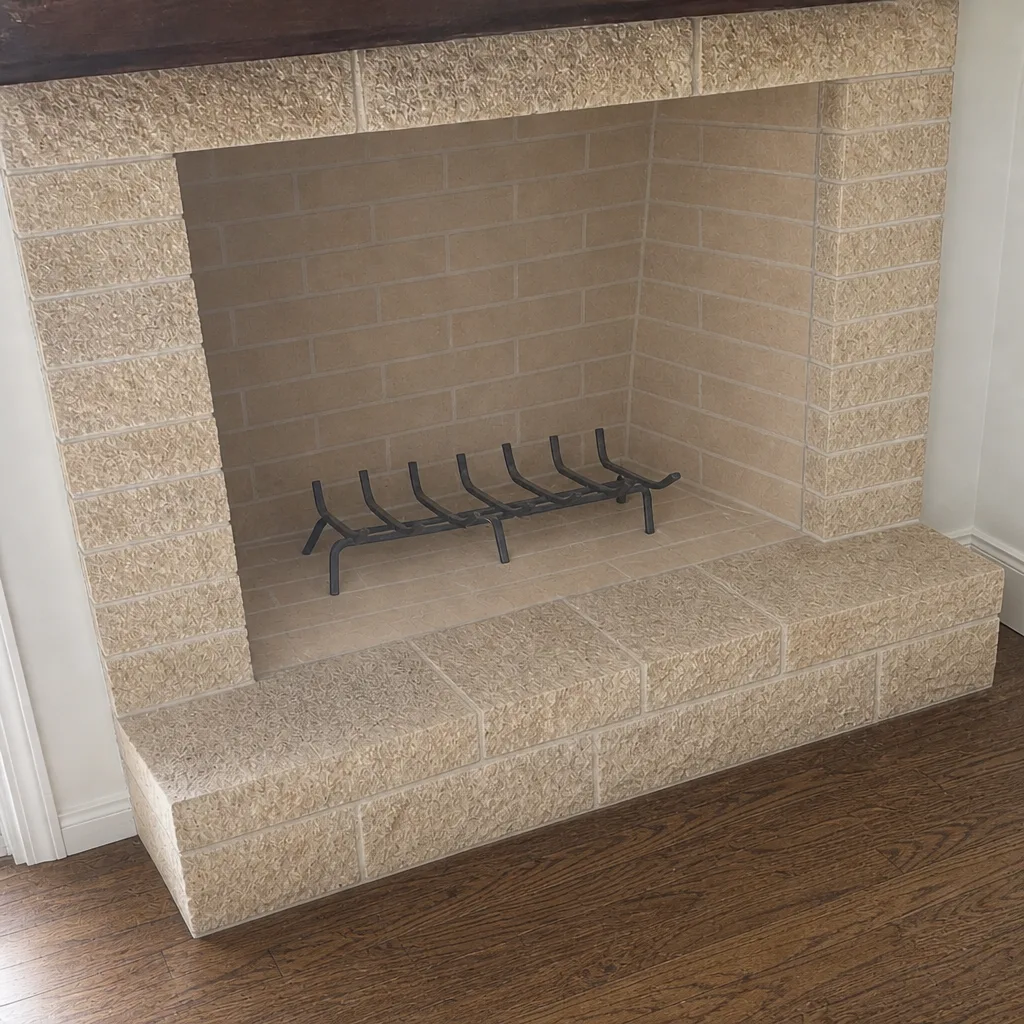
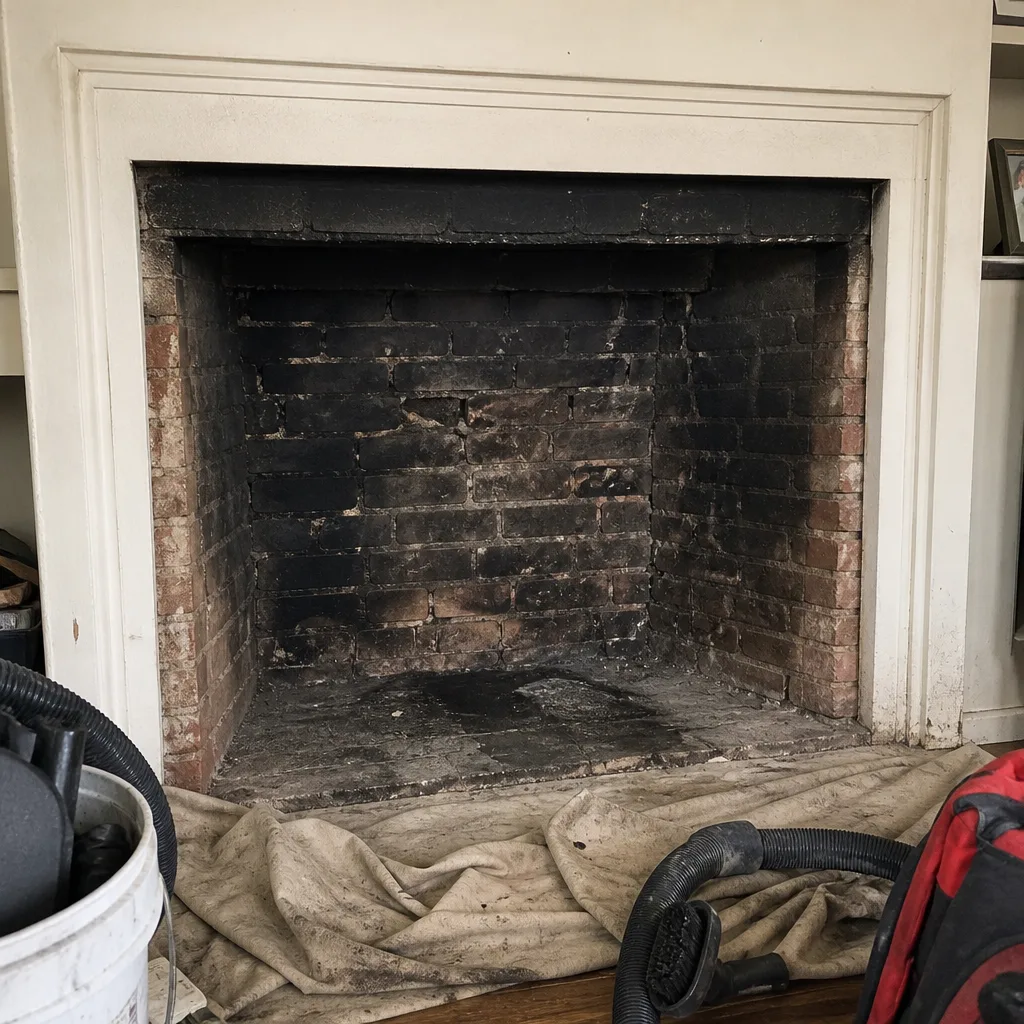
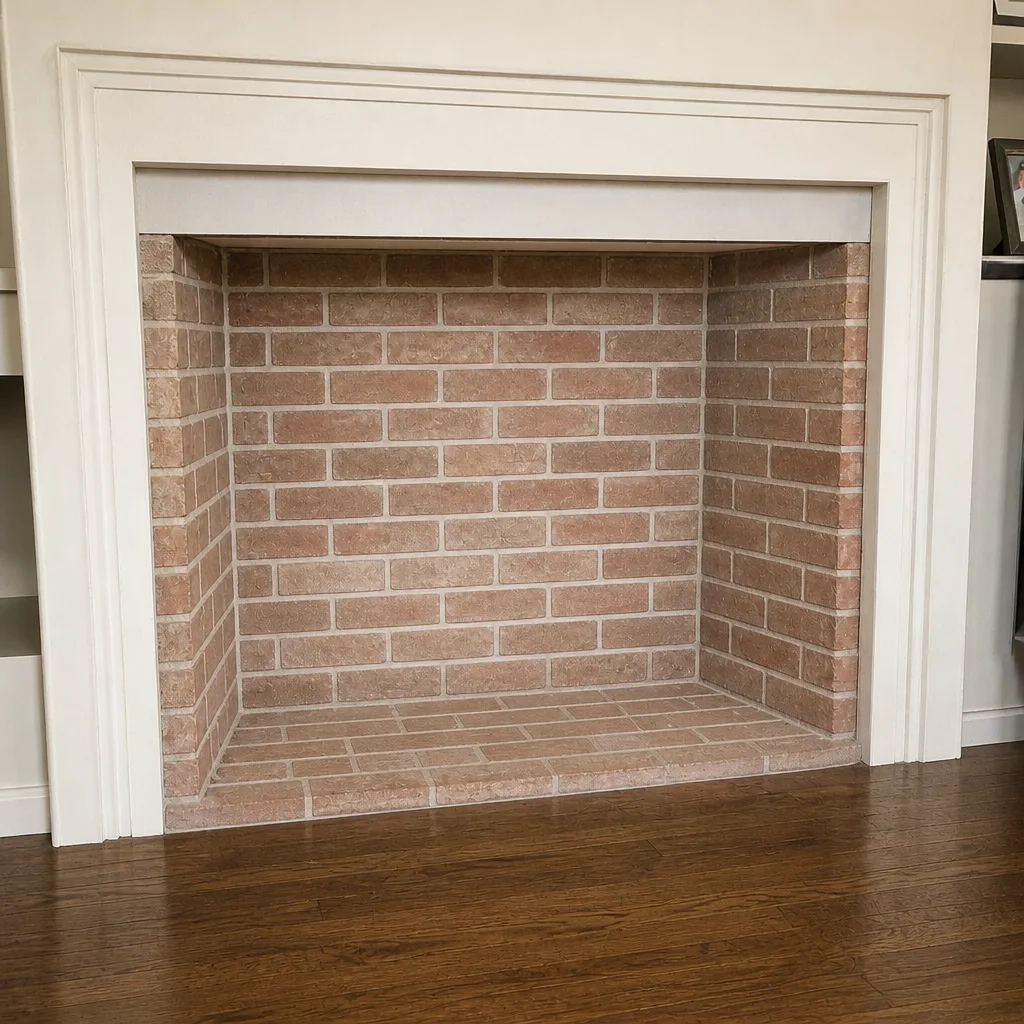
See the difference
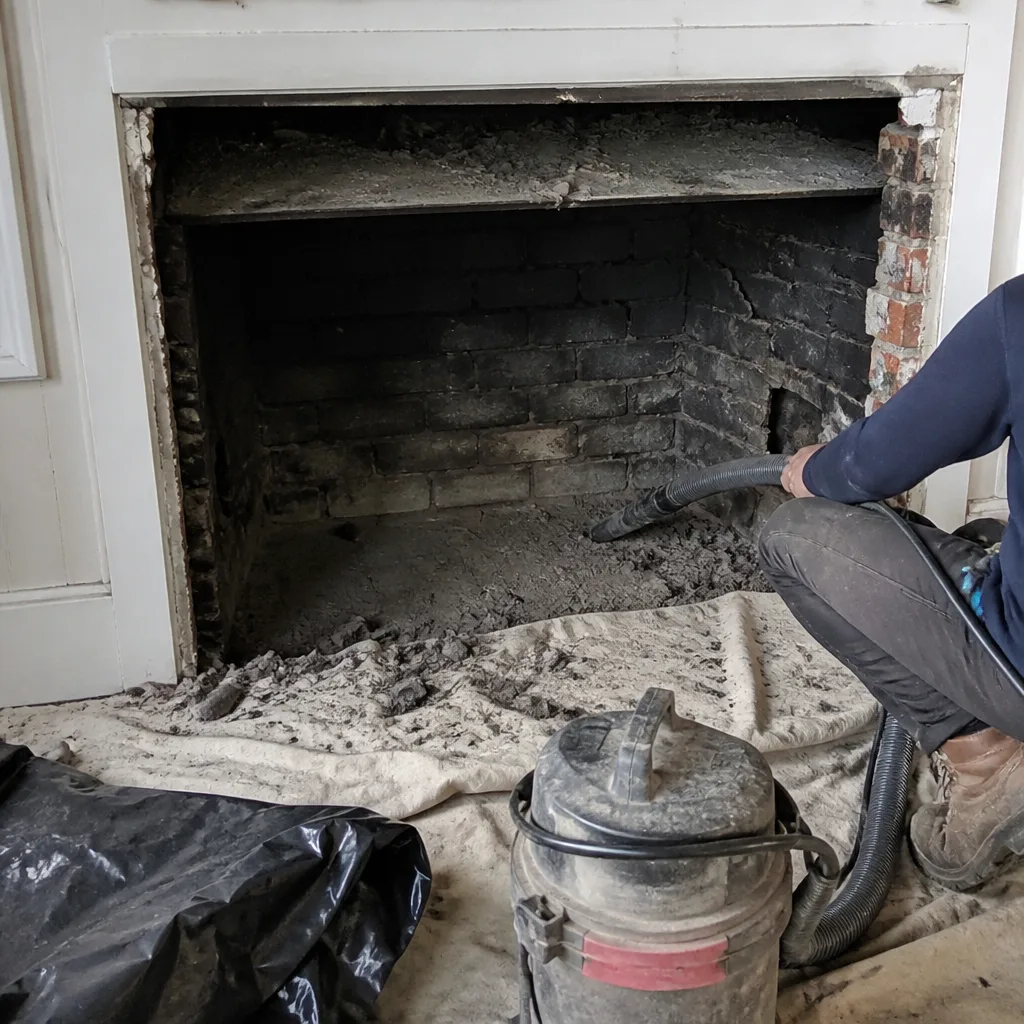 Before
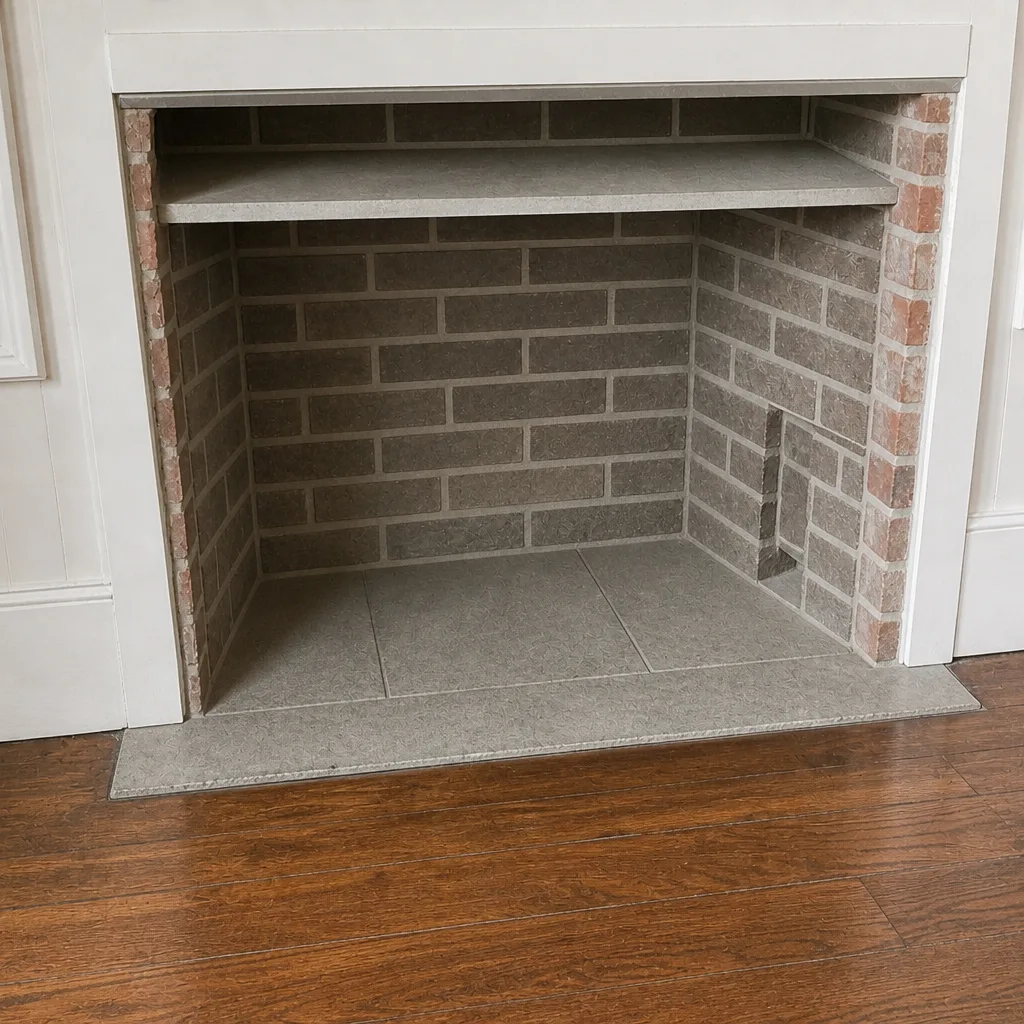 After
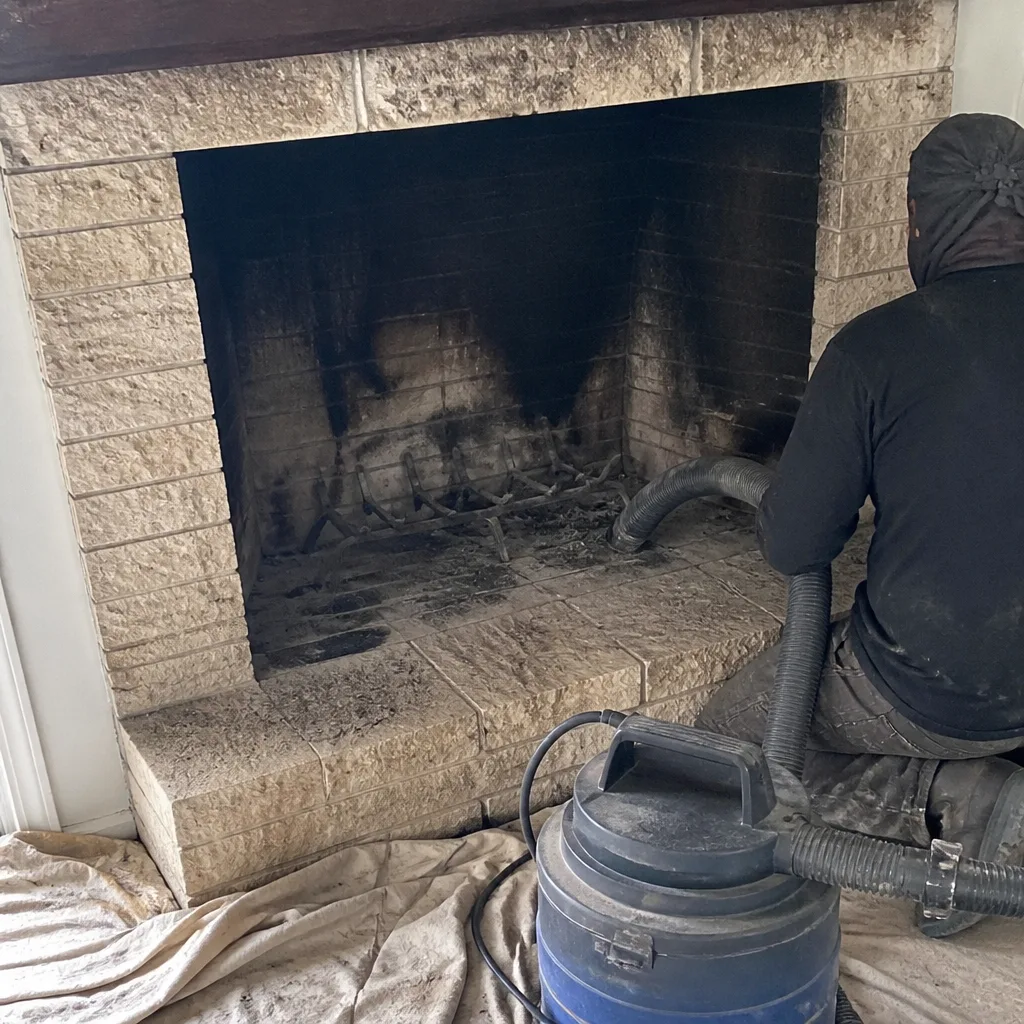 Before
 After
 Before
 After
When to Call a Professional
Some things you can check yourself: is the damper opening freely, is there a cap on the chimney, is the firebox free of obvious debris. But the moment the question turns to the flue interior, the liner, clearances, or venting code, it’s time for a trained eye. Call a professional if you’ve had a chimney fire, if you’re buying or selling a Metairie home, if you’re changing a wood stove or insert, if your dryer is running hot or slow, or if it’s simply been long enough since the last sweep that you can’t remember. Anything involving the liner or venting system should be evaluated by someone who can document what they find – not guessed at. Metairie Chimney Sweep offers free estimates in Metairie – call (855) 630-9846. We answer 24/7, with fast dispatch from 7am to 7pm, Sunday through Friday, closed Saturday.
Frequently Asked Questions
No. Routine chimney cleaning is maintenance and doesn’t require a permit in Metairie or the rest of Jefferson Parish. Permits come into play when the work involves construction – liner replacement, firebox rebuilds, new venting, or changes to the flue system. Call (855) 630-9846 for an exact quote – estimates are free.
In most cases, yes. A liner replacement alters the venting system and typically requires a permit and an inspection under local building code, with Louisiana State Fire Marshal venting standards applying to the installation. The specific requirement depends on your jurisdiction, so confirm with Metairie’s building department and ask the company to pull the permit. Call (855) 630-9846 for an exact quote – estimates are free.
A Level 2 inspection is a thorough evaluation of the chimney interior and exterior, the accessible attic and crawl space, and the appliance connections, often using a camera. You typically need one before a home sale, after a system change, after a chimney fire, or when a prior inspection flagged a concern. Call (855) 630-9846 for an exact quote – estimates are free.
Yes. If work wasn’t permitted or inspected and later causes a fire or carbon monoxide issue, your insurer can question whether the installation met code, which can delay or complicate a claim. Permitted, inspected work is documented on the record. Call (855) 630-9846 for an exact quote – estimates are free.
The general rule is once a year when the fireplace is used regularly, and more often if you burn frequently or notice creosote buildup. Metairie’s mild winters mean fireplaces often get lighter use, but that’s a reason to inspect, not to skip. An annual sweep with an assessment is the reliable baseline. Call (855) 630-9846 for an exact quote – estimates are free.
Creosote builds up, and creosote is what fuels chimney fires. Moisture works into the masonry over time, and a liner that was sound can develop cracks that let exhaust into the home, which is a carbon monoxide concern. Skipping maintenance doesn’t cause an immediate problem – it hides one until it’s larger. Call (855) 630-9846 for an exact quote – estimates are free.
The Bottom Line
The permit question in Metairie comes down to a clean line: cleaning is maintenance and doesn’t need one, and structural work that follows a cleaning usually does. Knowing where that line falls protects your insurance coverage, your resale, and your safety. Keep your documentation, ask who pulls the permit, and expect to see the evidence before you authorize a repair. A company that can inspect, clean, and fix – with professional-grade materials and a camera report you can verify – is one worth keeping. If anything in your chimney or dryer vent gives you pause, the answer is a call, not a guess.
Metairie Chimney Sweep handles chimney sweeping, dryer vent cleaning, and chimney repair across the area. Call (855) 630-9846 for a free estimate – we answer 24/7, with fast dispatch from 7am to 7pm, Sunday through Friday, closed Saturday.
Written by the team at Metairie Chimney Sweep.