
Last updated November 14, 2026
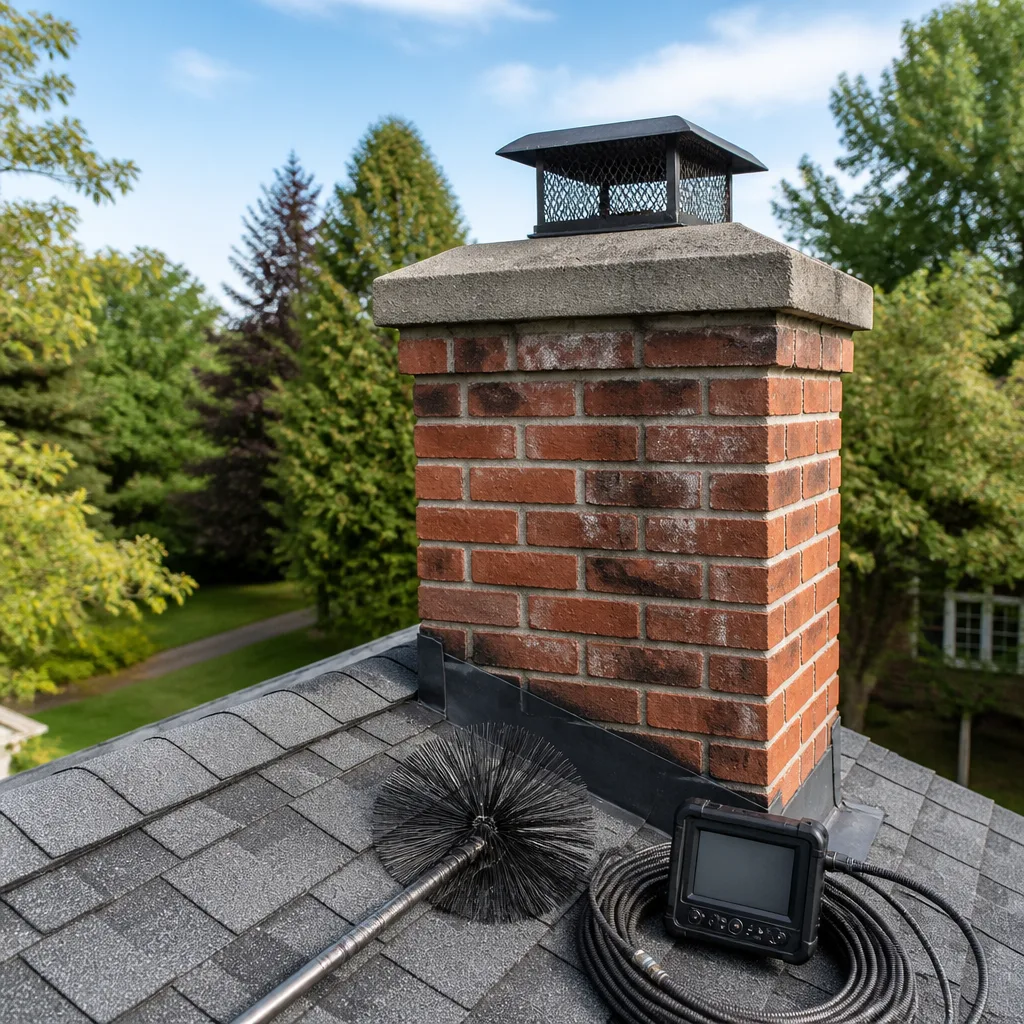 Sweep & inspection
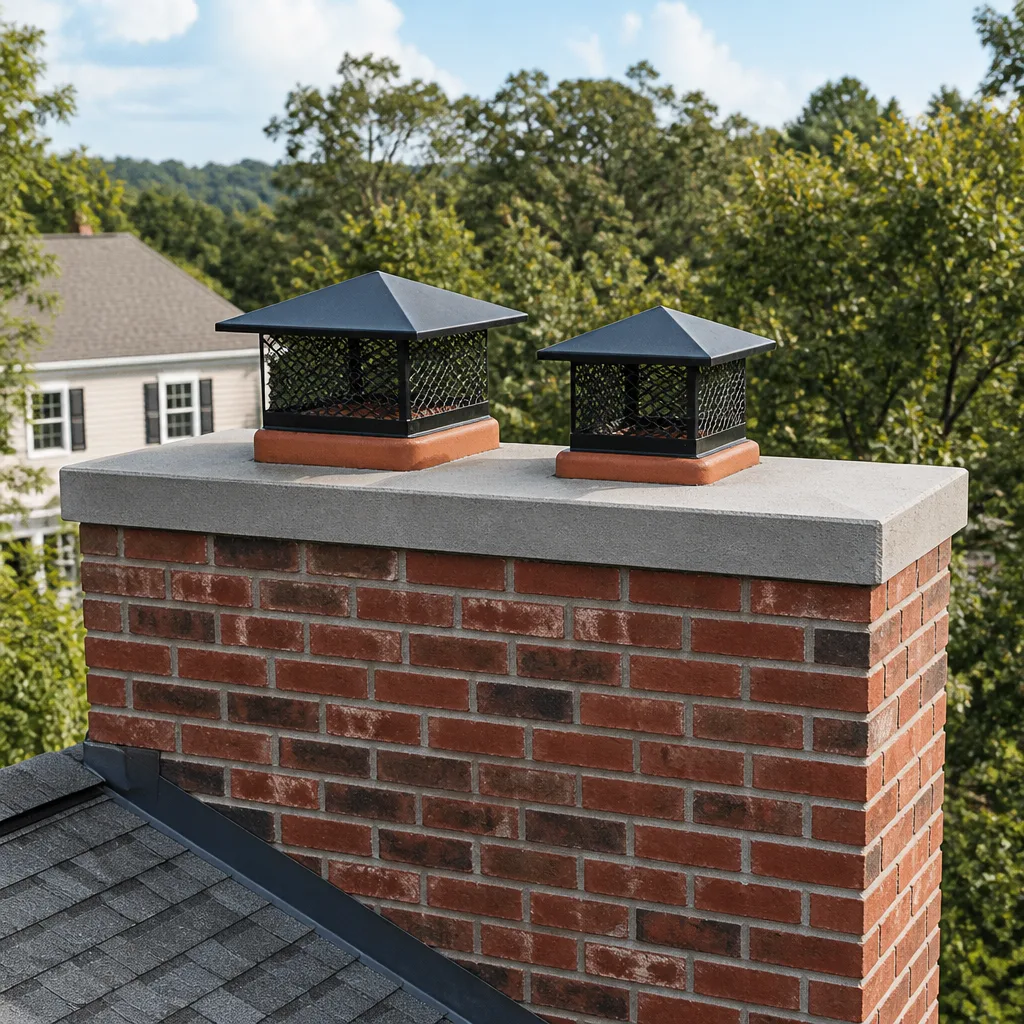 Caps & crowns
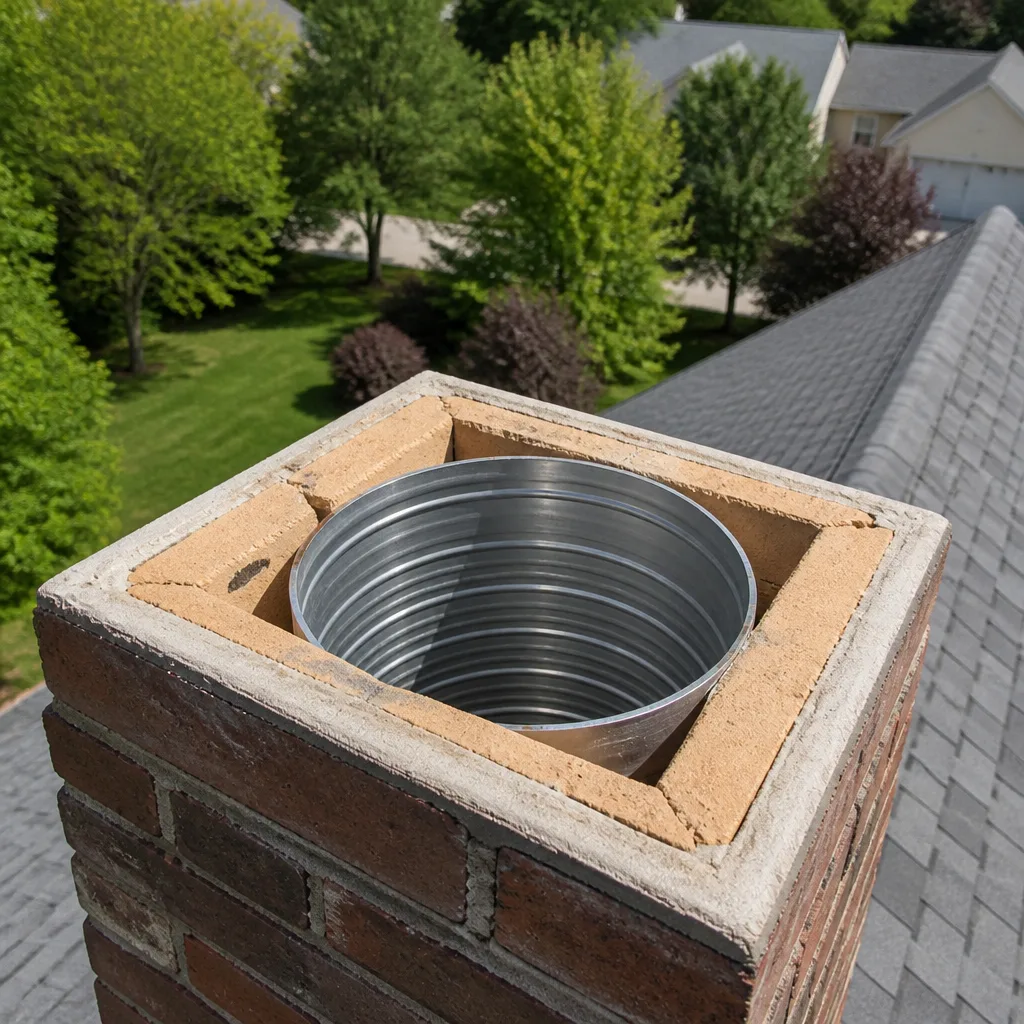 Flue relining
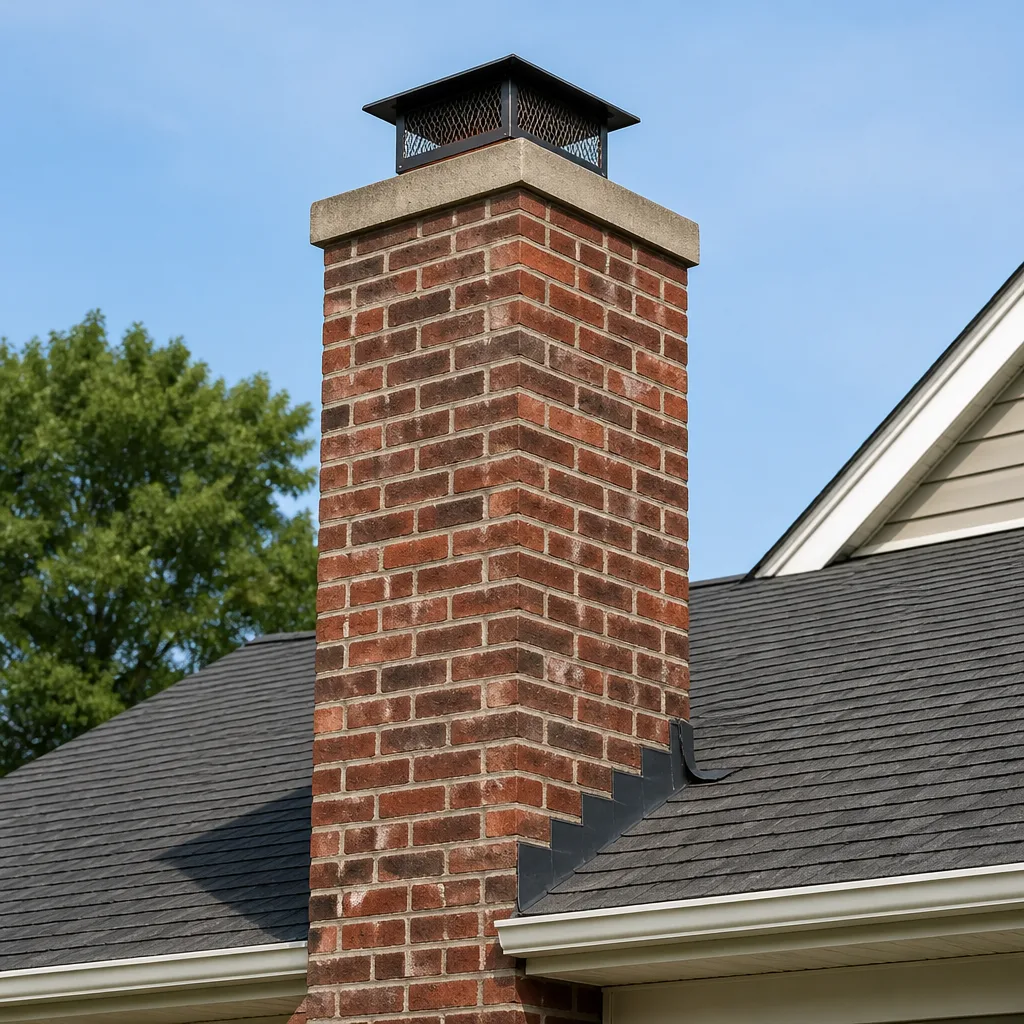 Masonry repair
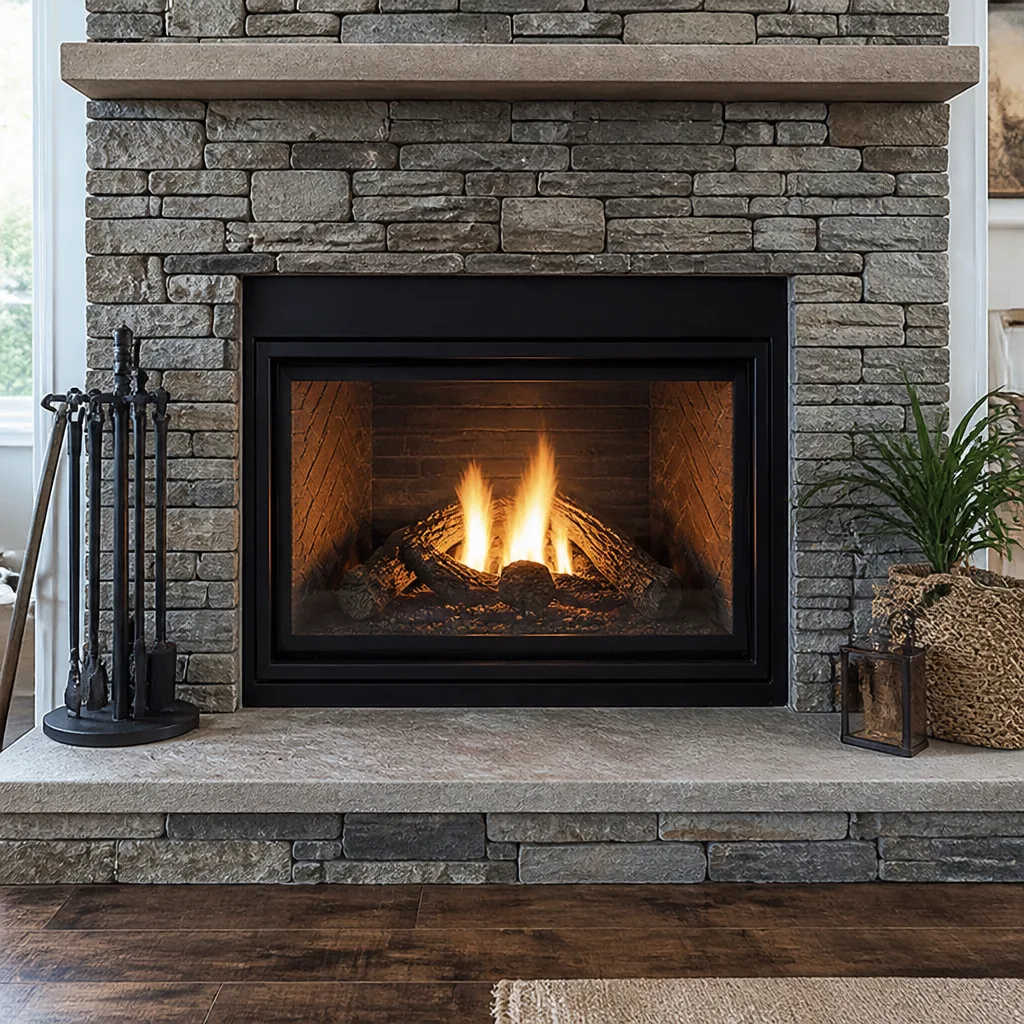 Gas fireplace service
Level 1 sweep and inspection to the NFPA 211 annual standard - flue, crown, cap, and flashing checked and photographed
Chimney sweep logs do not sweep chimneys. They loosen some creosote - which then falls where a brush and vacuum still have to collect it.
Chimney Sweep Maintenance Schedule: What to Do and When
Most chimney maintenance advice is written for cold-climate homeowners who burn eight months a year. Metairie homeowners burn maybe ten weeks, and that difference matters more than most people realize. A short burn season doesn’t mean less to do. It means the work shifts: less soot to clear, far more humidity to manage, and a long off-season when small problems quietly become expensive ones. We’ve seen fireplaces that sat unused for two seasons develop liner issues that had nothing to do with fire and everything to do with damp air. This guide lays out a task-by-task calendar built around how Metairie actually lives with its fireplace: a brief, intense burn window, a hot and wet off-season, and a hurricane season that can move things around on the roof. Read it once, keep it, and use it to plan the year.
Quick Answer
In Metairie, a wood-burning fireplace should be swept once a year, ideally in late fall shortly before the first fire, or after roughly a cord of wood has burned – whichever comes first. Gas fireplaces and inserts need inspection and venting checks once a year even though they produce no creosote. The long humid off-season between spring and fall is when you check for moisture damage, storm debris, and animal intrusion. A single annual sweep is a floor, not a full schedule.
Styles & brands we work with
- Sweep & inspection
- Caps & crowns
- Flue relining
- Masonry repair
- Gas fireplace service
Table of Contents
- Why Metairie’s Climate Rewrites the Standard Schedule
- How Burn Frequency and Wood Type Change the Timeline
- Month-by-Month Task List for Metairie Homeowners
- What to Check After Hurricane Season
- Gas Fireplaces Don’t Get a Free Pass
- Off-Season Checks That Catch Moisture Damage Early
- Your Dryer Vent Is a Chimney Too
- What You Can Check Yourself vs. What Needs a Technician
Why Metairie’s Climate Rewrites the Standard Schedule
The standard national advice – sweep in the fall, close the damper, forget it until next year – was built for places with a long, cold, dry winter. Metairie doesn’t work that way. Our burn season is short, often starting around the first genuinely cool night in late November and tapering off by February. That’s ten to fourteen weeks of regular fireplace use in a typical year, though it swings with how cold the winter runs.
The other eight or nine months are the real story. Warm, humid air sits over the house for most of the year, and the inside of a chimney flue is a cool, dark, damp cavity – exactly the conditions masonry and metal liners don’t like. Moisture moves into porous brick and mortar, and when a flue tile cracks or a crown develops a hairline gap, water finds it. Rust forms on metal dampers and firebox components. Creosote left over from the previous season softens and turns acidic as humidity climbs.
That combination is why Metairie homeowners sometimes pull the damper open in the fall and find a problem that didn’t exist the last time they used the fireplace. The fireplace wasn’t being used. The house was still working on it. A maintenance schedule in Metairie has to budget real attention for the off-season, not just the burn season. Any chimney sweep in Metairie who only shows up in December is missing half the picture.
There’s also the storm angle. Hurricane season runs June through November, which overlaps the front end of the burn season. Wind and rain can shift a chimney cap, dislodge a crown, or drop limbs and debris into the flue. That’s the topic of a later section, but it’s why the Metairie calendar can’t be copied from a colder, calmer climate guide.
How Burn Frequency and Wood Type Change the Timeline
A fireplace that sees two or three fires a month needs less than one that’s lit every cold night. But burn frequency is only half the equation. What you burn matters as much as how often.
- Seasoned wood: Split, dried for at least six months, low moisture. Burns hot and clean, leaves less creosote. A light-use household on seasoned wood can stretch to an annual sweep with fewer worries.
- Green or unseasoned wood: High moisture content, burns cooler, produces much more creosote and smoke. Even moderate use on green wood can coat a flue fast enough to need cleaning mid-season.
- Softwoods vs. hardwoods: Softer woods burn faster and hotter; hardwoods burn longer and produce more lingering creosote if they smolder. Neither is “wrong,” but both affect buildup.
- Smoldering fires: A damper closed too early or a fire damped down all evening produces heavy creosote regardless of wood quality.
- Manufactured logs: Convenient, but some leave more residue than clean seasoned wood. Read the label.
Here’s the practical rule we give homeowners: if you’ve burned about a cord of wood – roughly a stacked pickup load – it’s time for a sweep, even if it’s mid-season. If you burn less than that but have a fire going most cool nights, once a year before the season is right. If you burn two or three fires all season on good seasoned wood, you can reasonably go a season between sweeps – but the annual inspection still matters, because the flue and firebox need eyes on them regardless of soot volume.
In Metairie, the more common problem isn’t a flue choked with creosote. It’s a flue with a thin, gummy creosote film the homeowner didn’t know was there, sitting through eight months of humidity and softening into something that will burn hot and fast. That’s why the “check before first fire” step is more important here than the “clean after last fire” rule you’ll read elsewhere. A trained technician can tell the difference between harmless soot and a glaze that needs a proper mechanical cleaning. Our technicians have up to 9 years of experience reading exactly that difference.
Month-by-Month Task List for Metairie Homeowners
This calendar is calibrated to Metairie’s short burn season and long humid off-season. Adjust the timing slightly if the weather runs hot or cold, but keep the order.
- Late September to early October – pre-season inspection. Before the first fire, have the chimney inspected. This is the best window because any repair found (cracked tile, loose cap, deteriorated crown) can be handled before the first cold snap sends everyone calling for a sweep at once.
- October – sweep. Get the flue cleaned of last season’s residue so you’re starting fresh. Confirm the damper opens and closes freely.
- November – first fire checklist. Open the damper before lighting, confirm smoke draws up and out, listen for unusual rumbling or a “train” sound (a sign of a flue fire). If smoke backs into the room, stop and call.
- December through February – active-burn-season watch. Check the firebox for cracks, watch for soot falling back into the room, and listen for creosote flaking sounds. If you burn heavily, a mid-season sweep may be warranted. Keep seasoned wood covered.
- March – post-season sweep or inspection. After the last fire, sweep out the flue so creosote doesn’t sit through the humid months. This is the single most overlooked step in Metairie. Then close the damper.
- April through May – moisture season check. Look for water staining on the firebox walls, rust on the damper or firebox grate, and loose mortar at the chimney crown. These show up during the wettest stretch.
- June through November – storm-season vigilance. After any named storm or significant wind event, look at the roof and chimney for shifted caps, fallen debris, or obvious brick displacement. See the hurricane section below.
- Any month – dryer vent check. Dryer vent cleaning isn’t on a seasonal clock; it depends on how often the dryer runs and how long the vent run is. See the dedicated section.
One more local note: this schedule assumes a wood-burning fireplace. Gas appliances fit the same annual rhythm – inspect once, off-season check for condensation and venting – but the internal tasks differ, which is covered in the gas section.
What to Check After Hurricane Season
Hurricane season in South Louisiana runs June through November. Even a near-miss can affect a chimney, and the timing matters because the season overlaps the start of the burn season. If you haven’t done the fall inspection yet, a storm is a reason to move it up.
- Chimney cap: The cap sits at the top of the flue and is exposed to the full force of wind. A shifted or missing cap lets rain straight down the flue and invites birds and squirrels to nest inside.
- Crown condition: The crown is the sloped concrete cap on top of the masonry chimney. Cracks or spalling here route water into the brickwork and mortar below.
- Debris in the flue: Leaves, twigs, and especially roof shingle grit can land in an uncapped or damaged flue. Some of it falls harmlessly. Some doesn’t.
- Animal intrusion: A missing cap in the weeks after a storm is an open door. Birds, squirrels, and raccoons find their way in fast. A proper cap or top-sealing damper from a supplier like Gelco or Olympia Chimney is the fix, and it’s a repair we can complete with parts built for the trade rather than a hardware-store substitute.
- Visible brickline shift: If a chimney section looks tilted, has a visible crack wider than a hairline, or has pieces of brick on the roof, don’t use the fireplace until it’s inspected.
- Water staining inside: Check the ceiling near the chimney and the firebox walls for fresh staining, which can be a sign water got past the crown.
Do this check visually from the ground with binoculars if you can’t get a safe, unobstructed look. If anything looks off, don’t get up there yourself. A trained technician has the right ladder setup and the inspection equipment to confirm what’s really going on. That’s part of why every sweep we book includes an assessment, not just soot removal – the storm damage is often the thing we find when the customer thought they just needed a cleaning.
Gas Fireplaces Don’t Get a Free Pass
Gas fireplaces and inserts have a reputation for being maintenance-free because they don’t produce creosote. That reputation is only half true. You won’t need a flue brush in the same way, but you do need an annual inspection, and the schedule in Metairie actually puts extra weight on the off-season for gas appliances.
Here’s what the annual gas inspection covers and why it’s not optional:
- Venting: Gas fireplaces in Metairie typically vent through a metal flue, a direct-vent system, or a B-vent. Rings, seams, and connections need checking. A deteriorating vent can let combustion byproducts back into the house.
- Carbon monoxide risk: Any combustion appliance can produce carbon monoxide if it’s not venting properly. A gas fireplace is no exception. A properly functioning CO alarm in the home is standard; an annual venting check confirms the fireplace is doing its part.
- Burner and log condition: Gas logs and burners can develop cracking, sooting, or misalignment over time. That changes the flame pattern and, in some cases, combustion efficiency.
- Off-season moisture: Gas appliances sit unused through the same warm, humid months as wood fireplaces. Metal components can rust and connections can loosen. A pre-season check catches this.
- Inserts and direct-vent units: These often have gaskets and seals that degrade. Inspectors check those too.
If you’re burning a gas insert in a converted wood fireplace, the original wood vent may be oversized or inappropriate for the insert. That’s a common reason for venting problems. An inspection that looks at the whole system, not just the appliance, catches that. And if the inspection turns up a venting component that needs replacement, having Olympia Chimney and Famco parts on hand – as we do – means the fix can often be completed without a second visit.
Off-Season Checks That Catch Moisture Damage Early
The months when the fireplace is unused are when damage starts. Since we don’t get long dry summers here, the off-season is a wet season broken up by stretches of heat. Water is the enemy, and it comes at the chimney from three directions: above (crown and cap), from the sides (brick and mortar joints), and inside (condensation).
These checks are safe to do yourself from inside and from the ground:
- Crown cracks: From the ground with binoculars, look for visible cracks or crumbling at the top of the chimney. The crown should shed water away from the flue, not toward it.
- Mortar joints: Look for crumbling or missing mortar between bricks on the exterior chimney. Soft, sandy mortar points to water penetration.
- Rust inside: Open the damper and look up. Rust on the damper, grate, or metal parts signals moisture is getting in. Rust on the firebox walls is a stronger signal.
- Water staining: Look for water lines on the firebox floor, staining on the ceiling near the chimney, or discoloration on the firebox walls.
- Flue tile cracks: Look up from inside if you can see the tiles safely. A visible crack in the clay liner is a liner issue, not a cosmetic one.
If any of those checks turn up a problem, the fix depends on what it is. A failing cement crown gets rebuilt. Cracked flue tiles can often be restored in place using a HeatShield system, which coats the interior of the flue and seals the cracks without tearing out the whole liner. That’s a cost-saving option compared to full replacement, and one that requires a trained installer. If the liner is beyond restoration, we install DuraFlex flexible liner systems. Either way, the important thing is catching the problem during the off-season, not on the first cold night when you’re ready to build a fire. For Metairie homeowners, this is the single most valuable part of the schedule.
Your Dryer Vent Is a Chimney Too
Your dryer vent is a chimney. It’s a duct that carries hot air and combustion byproducts – in this case lint and moisture – out of the house. When it clogs, the fire risk is real, and the same kind of heat-based logic applies: a restricted vent makes the appliance run hotter. This is why dryer vent cleaning belongs in the same annual thinking as the fireplace, even though it isn’t on the burn-season calendar.
Typical signs a dryer vent needs cleaning:
- Clothes take longer to dry than they used to, and the dryer is running hot.
- The top of the dryer or the wall near it feels unusually warm.
- A burning smell near the dryer during a cycle.
- Visible lint around the outside vent flap or on the ground below it.
- The vent flap doesn’t open fully when the dryer runs.
- It’s been more than a year or two since the vent was last cleaned, especially in a house with a long or flexible vent run.
Metairie’s humidity makes dryer vent problems worse, not better. Moisture-laden exhaust hits a cooler vent and condenses, which makes lint stickier and more likely to build up into a blockage. So a vent that might last two years in a dry climate may need cleaning more often here. There’s no precise calendar number for this, because dryer run length, dryer type, and household size all change the answer. If you can’t remember the last cleaning, treat that as the sign. Many Metairie homeowners have their chimney sweep visit and their dryer vent cleaning grouped for that reason.
What You Can Check Yourself vs. What Needs a Technician
Not everything needs a professional, and knowing the line is what keeps the schedule practical. Here’s the split.
Safe to do yourself (visual, from the ground or inside):
- Ground-level visual inspection of the chimney exterior with binoculars – crown, brick, cap.
- Inside visual check of the firebox, damper, and anything you can see safely.
- Confirming the damper opens and closes.
- Watching the first fire of the season for smoke backup or unusual sounds.
- Checking the dryer vent exterior flap.
- Keeping a working CO alarm and smoke detector in the home.
Needs a trained technician:
- Any actual sweeping of the flue. The brush and rod equipment is specialized, and sweeping from a ladder or on the roof is a fall hazard.
- Any assessment of creosote, glazing, or flue condition that requires a camera or direct access.
- Anything to do with the liner – cracks, restoration (HeatShield), or replacement (DuraFlex).
- Crown repair, cap replacement, and any masonry work.
- Any gas appliance inspection, venting check, or repair. Gas work is not a DIY category.
- Any suspected chimney fire, animal intrusion, or structural damage.
Two safety points deserve to be stated plainly. First, chimney sweeps and any work above roof level are genuinely dangerous. Falls are a real risk, and a homeowner doesn’t have the anchoring and equipment a professional uses. Second, gas fireplace venting and liner restoration both involve combustion or structural work where an error can be serious. A trained professional is the right call every time. The check-and-observe tasks are yours. The clean-and-repair tasks belong to a technician.
Common Mistakes to Avoid
- Sweeping only in the fall and ignoring the off-season. The fall sweep is fine, but creosote left in the flue through a humid Louisiana summer softens and becomes a fire risk. The spring cleanup matters as much as the fall one.
- Treating a gas fireplace as maintenance-free. Gas doesn’t make creosote, but it can still develop venting problems, CO issues, and metal rust during the off-season. An annual check is standard.
- Skipping the pre-fire check after a storm. A shifted cap or a piece of roof debris in the flue is easy to miss and hard to live with. Metairie’s storm season lines up with the start of burn season for a reason.
- Burning green wood to save money or effort. Unseasoned wood produces far more creosote, requires more frequent sweeping, and can shorten the life of the flue.
- Ignoring the dryer vent. Homeowners think of their dryer vent as a dryer accessory, not as a fire-safety system. It’s a chimney, and it clogs faster here than in dry climates.
- Doing the roof-level inspection yourself. A homeowner on a roof without fall protection is one of the more common ways a maintenance task becomes an emergency.
- Waiting until the first cold snap to book. Every Metairie household with a fireplace calls in the same two-week window. Booking the inspection in early fall means any repair is done before you need the fireplace, not after.
- Assuming the “annual sweep” is a full schedule. It’s the minimum. Add the off-season moisture check, the storm check, and the venting check, and you’ve got a schedule that actually fits Metairie.
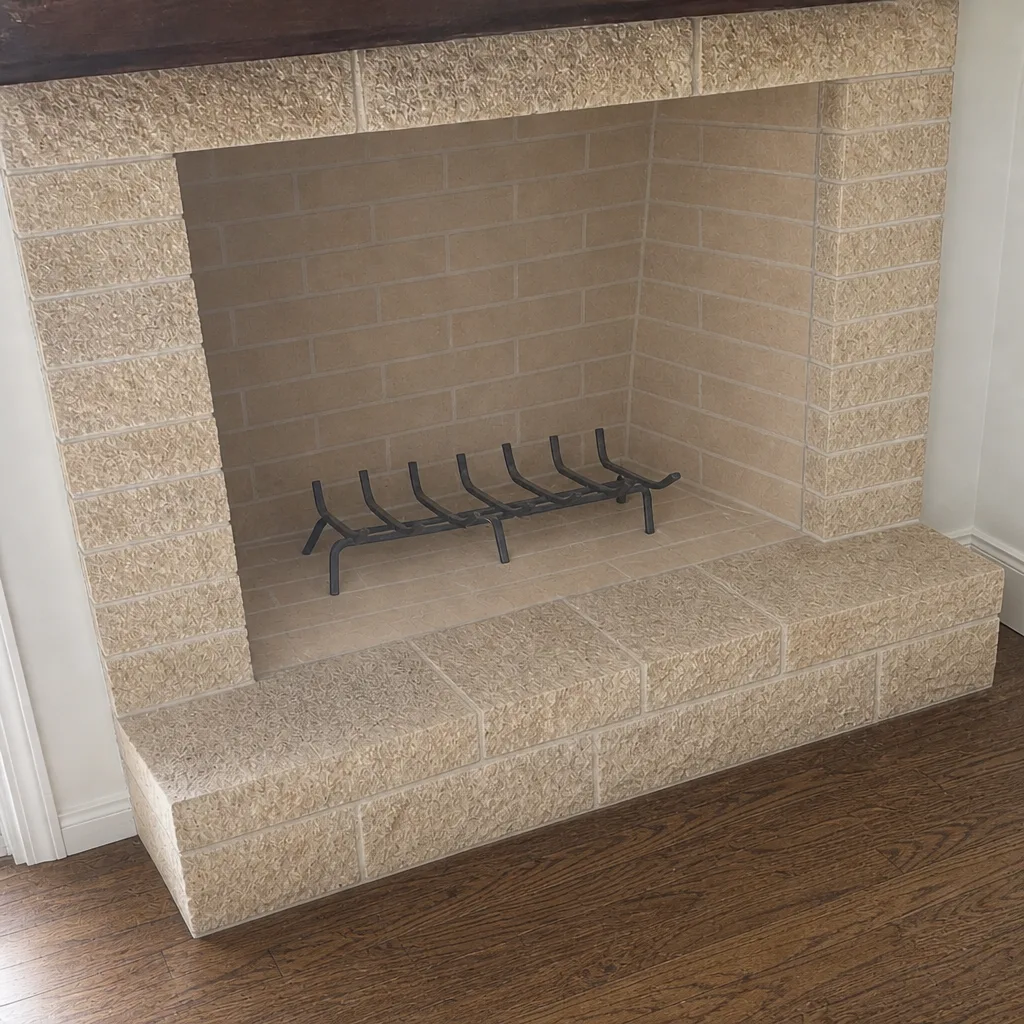
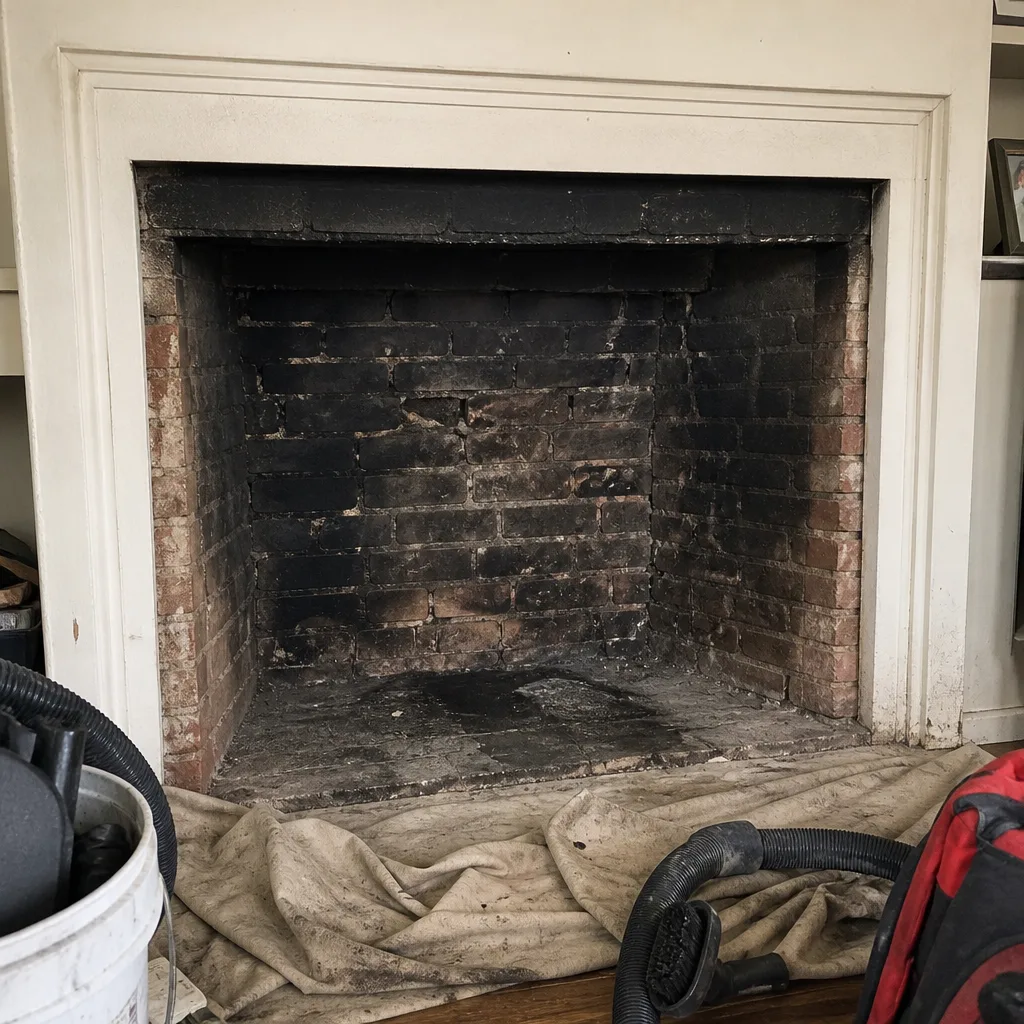
See the difference
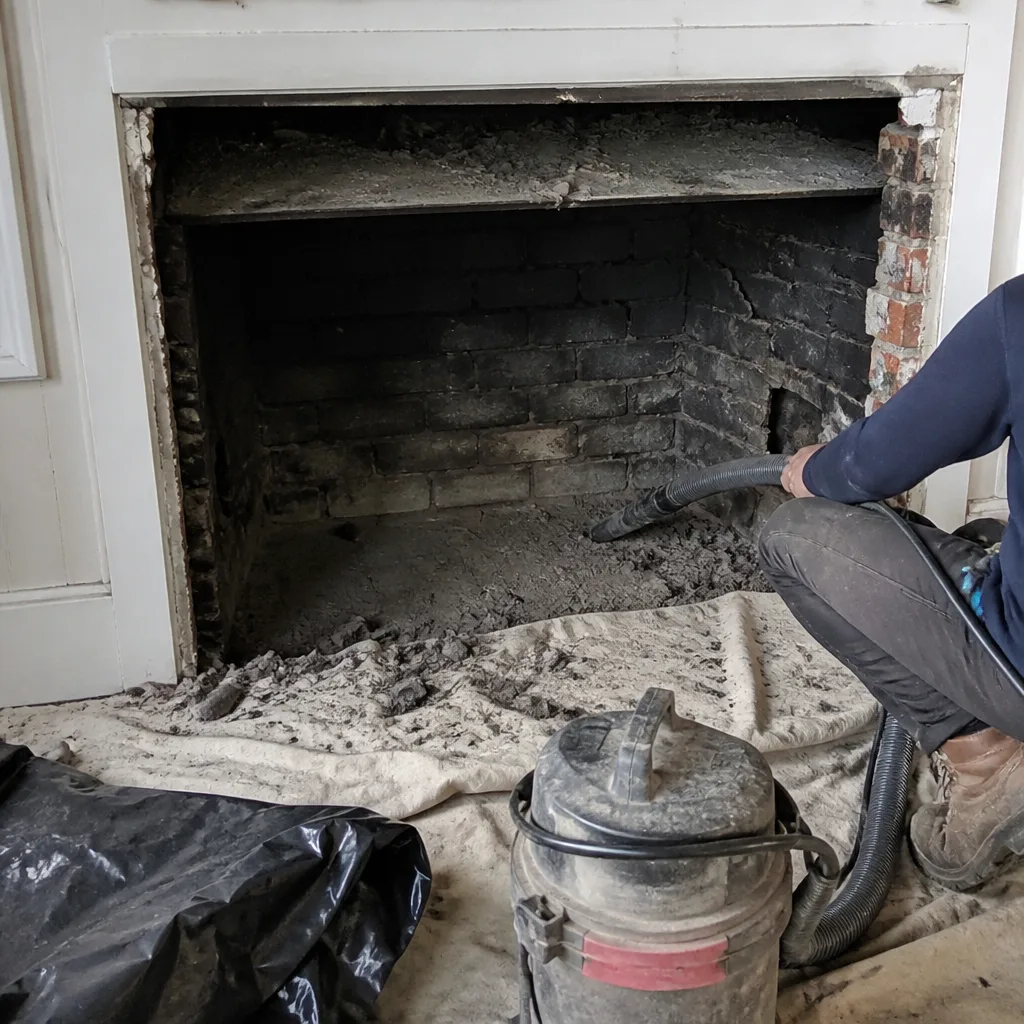 Before
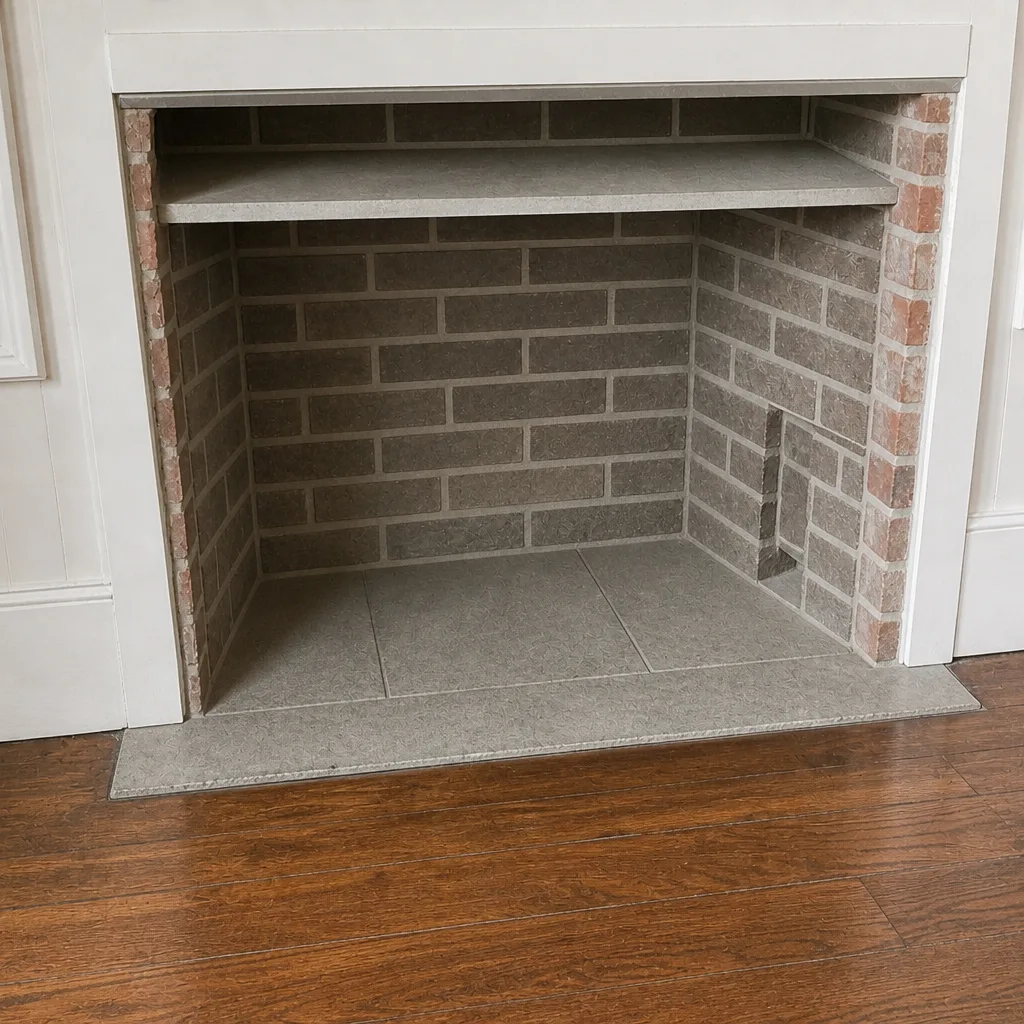 After
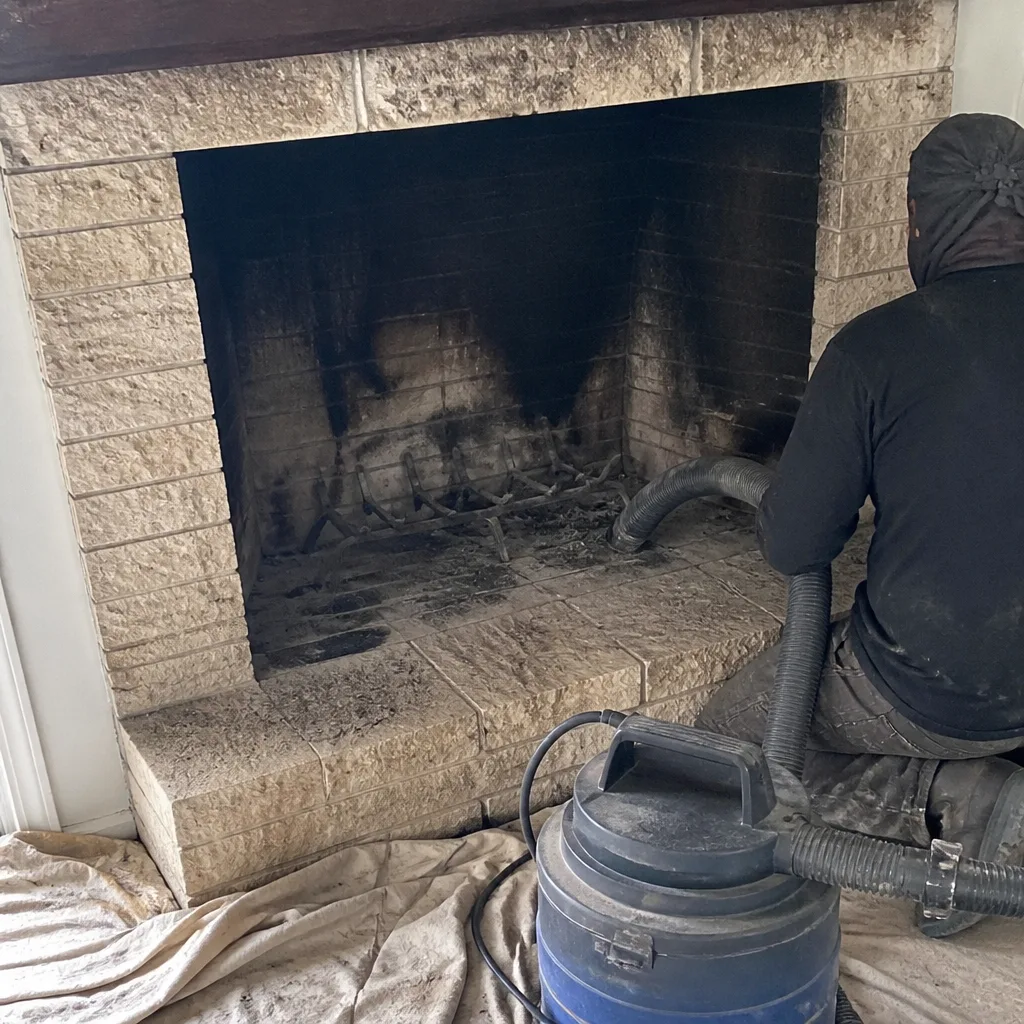 Before
 After
 Before
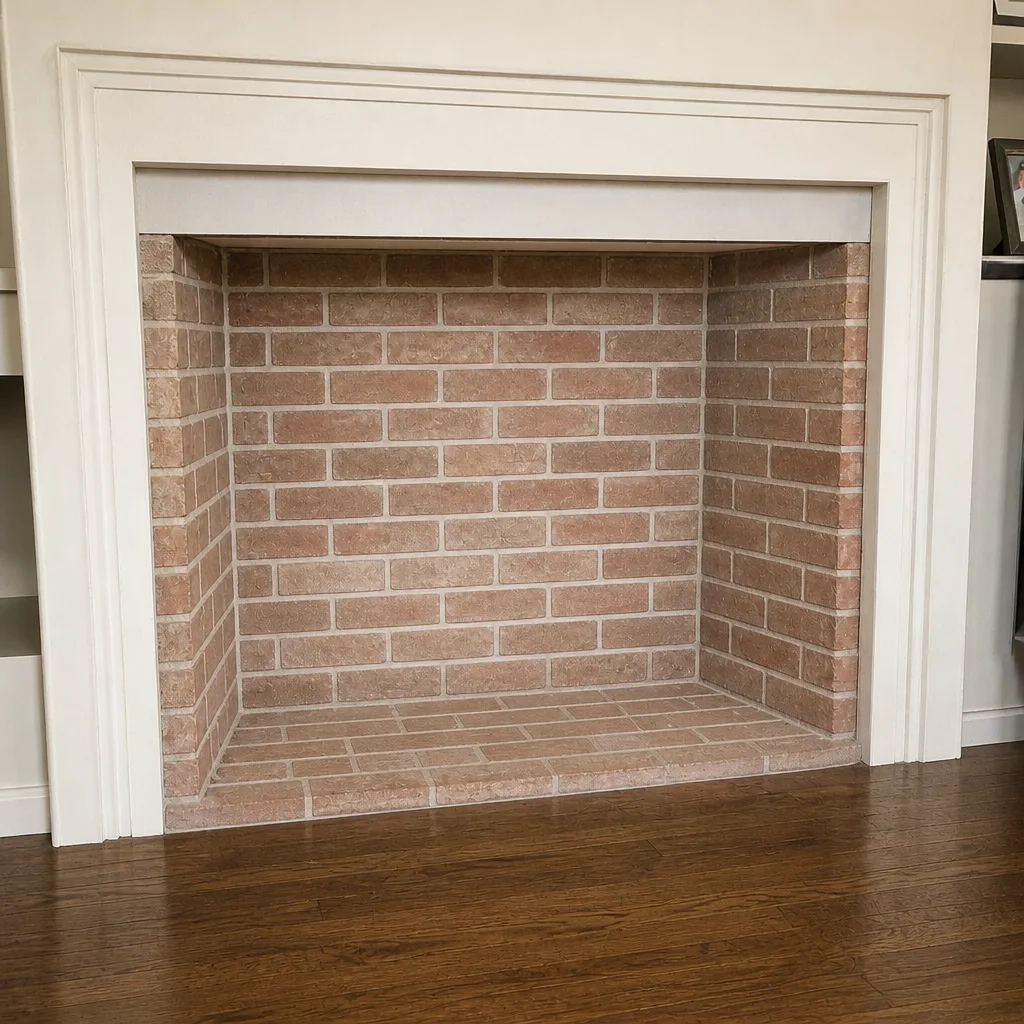 After
When to Call a Professional
Some things on this list are check-it-yourself. Here’s when to stop checking and call. Any smoke backing into the room when the fireplace is in use is a call right away. The same goes for a strong creosote smell inside the house, a “train” sound or low rumbling from the chimney (possible flue fire), soot falling back into the firebox, visible cracks in the flue tiles, a flue cap that’s shifted or gone after a storm, and any sign of animal intrusion. If a dryer is running hot or slow with no change in load size, that’s a venting call. And if it’s simply been more than a year since the last inspection, that’s a call too. None of these need to wait for a cold snap.
Metairie Chimney Sweep offers free estimates in Metairie. Call (855) 630-9846. Our technicians have up to 9 years of experience, and every sweep includes an assessment, so we’re not just brushing out soot and leaving. If a repair is found, we stock professional-grade components from HeatShield, Gelco, Olympia Chimney, Famco, and DuraFlex, and we complete many repairs on the same visit. That’s the difference between a sweep-only visit and a proper one. If you’re laying out a year of maintenance for a Metairie home, start with an inspection and build from there. You can also learn more about our broader Metairie Chimney Sweep services and our local coverage across Metairie.
Frequently Asked Questions
Once a year for most wood-burning fireplaces, timed for late fall before the burn season, or after about a cord of wood has burned, whichever comes first. In Metairie, the annual sweep is best paired with an off-season inspection because the long humid summer causes moisture-related problems that a fall sweep alone won’t catch. Gas appliances need an annual inspection too, even without creosote.
Yes, but the cleaning frequency can sometimes stretch. Even a lightly used fireplace needs an annual inspection because the flue, firebox, and venting need eyes on them regardless of soot volume. Call (855) 630-9846 and we can talk through what’s appropriate given your usage.
Small problems get bigger. Creosote left in the flue through the humid off-season softens and becomes more combustible. A cracked crown routes storm water into brickwork, which leads to structural repair. A missing cap after a storm invites animals and rain. Gas venting problems can produce carbon monoxide risk. Skipping maintenance is how home safety problems get a head start. Call (855) 630-9846 if it’s been more than a year since your last inspection.
Metairie’s burn season is short – typically ten to fourteen weeks between late November and February – so use volume is lower than in cold climates. But the off-season is longer and more humid, which means the moisture-management part of the schedule carries more weight than the creosote part. The classic “sweep after the last fire” advice still applies; it just needs to be followed by an inspection in the fall before the first fire.
Sweeping a flue safely requires professional equipment and a safe working position on the roof or at the firebox. Even if you own a brush, the more important step – recognizing what condition the flue is actually in – isn’t a DIY task. Roof-level inspection and any repair work in a Metairie home should always be handled by a trained technician.
Yes. Gas fireplaces don’t produce creosote, but their venting, burners, logs, and seals still need checking annually, and off-season moisture causes metal component rust. A gas appliance that hasn’t been inspected in a year or more is worth a check before it’s used. Call (855) 630-9846 to book an inspection. Estimates are free.
The Bottom Line
A single annual sweep is the minimum, not the whole schedule. In Metairie, the year splits into a short, intense burn season, a wet off-season, and a storm season that overlaps the start of the next burn window. That means the working schedule is really four moves: inspect before first fire, sweep after the last one, check for moisture damage through the humid months, and do a post-storm walk-around in the fall. Gas appliances need the same annual rhythm even without creosote. The dryer vent belongs in the same fire-safety thinking. And the difference between a homeowner who follows this schedule and one who waits is who finds the problem first – the homeowner, or the cold night.
Call (855) 630-9846 for a free estimate. We answer 24/7. Fast dispatch from 7am to 7pm, Sunday through Friday.
Written by the team at Metairie Chimney Sweep.