
Last updated November 14, 2026
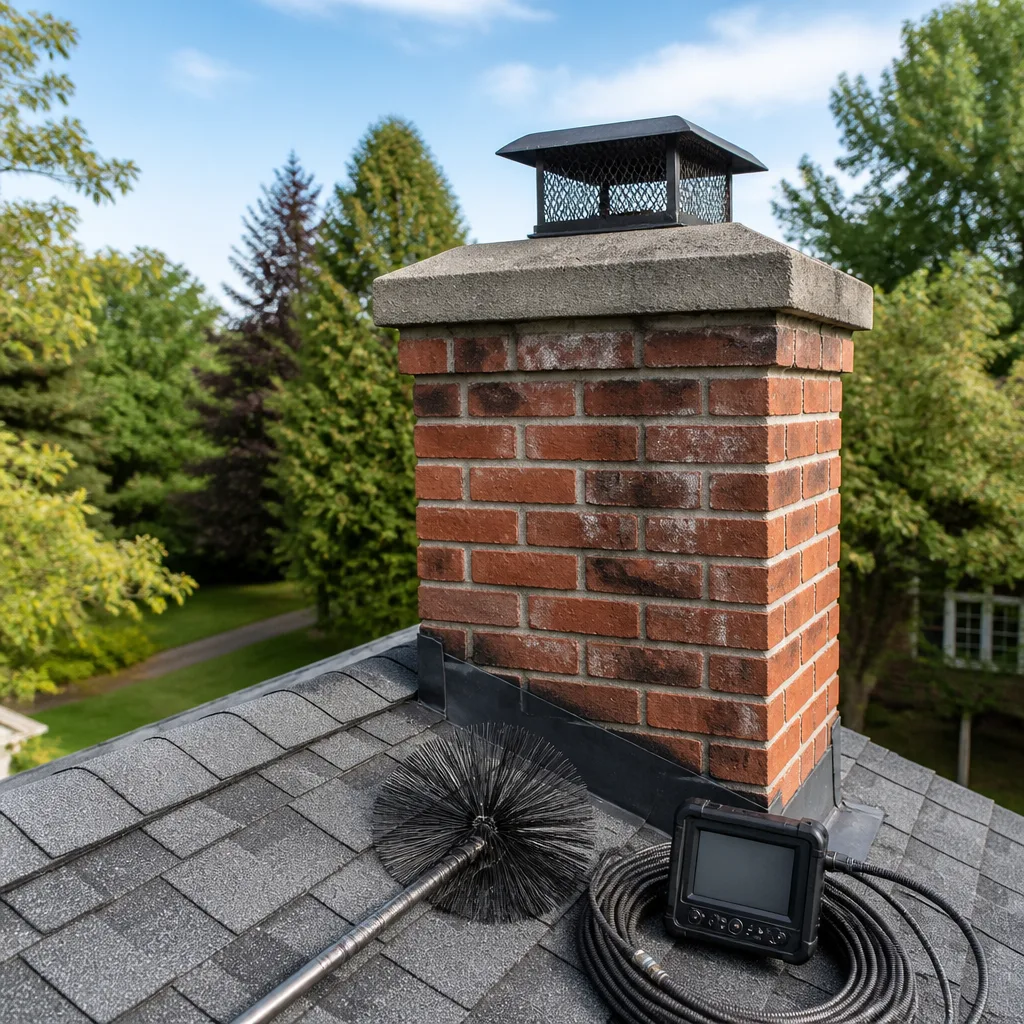 Sweep & inspection
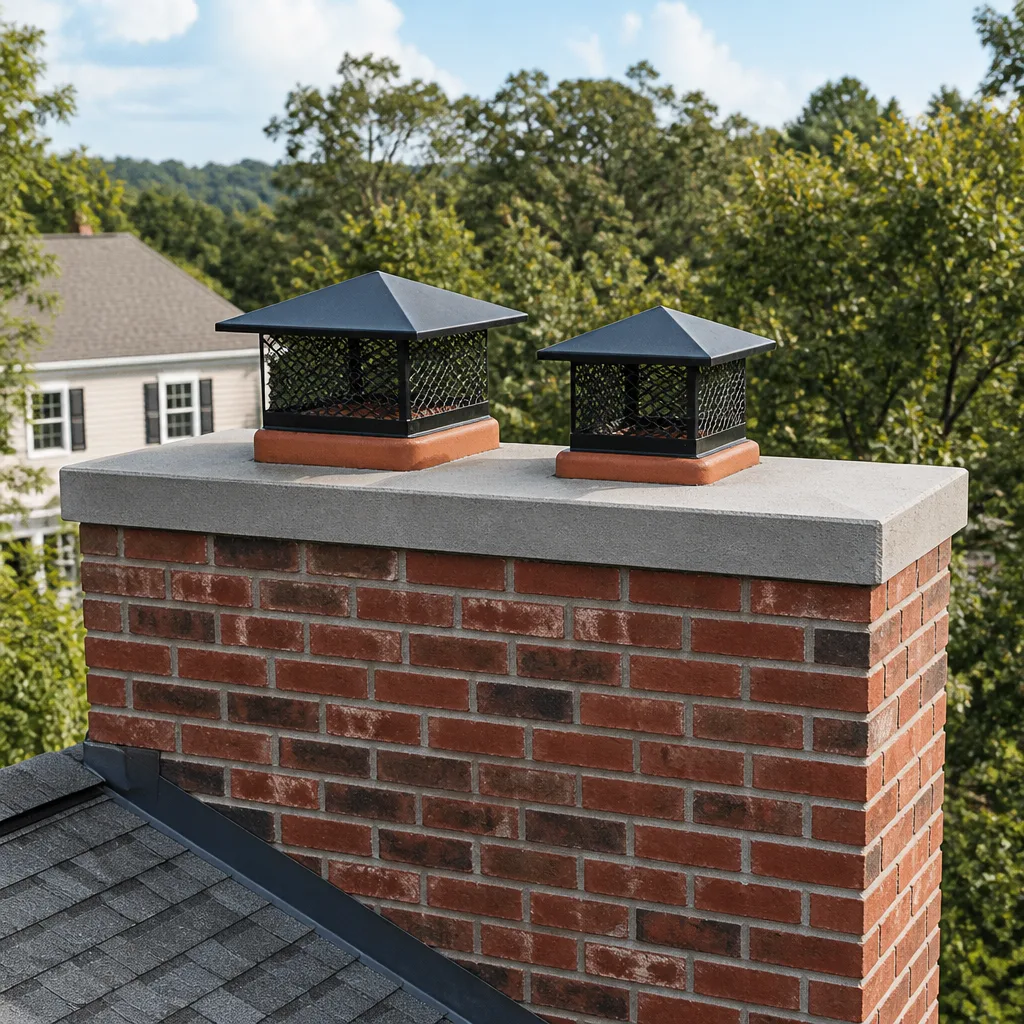 Caps & crowns
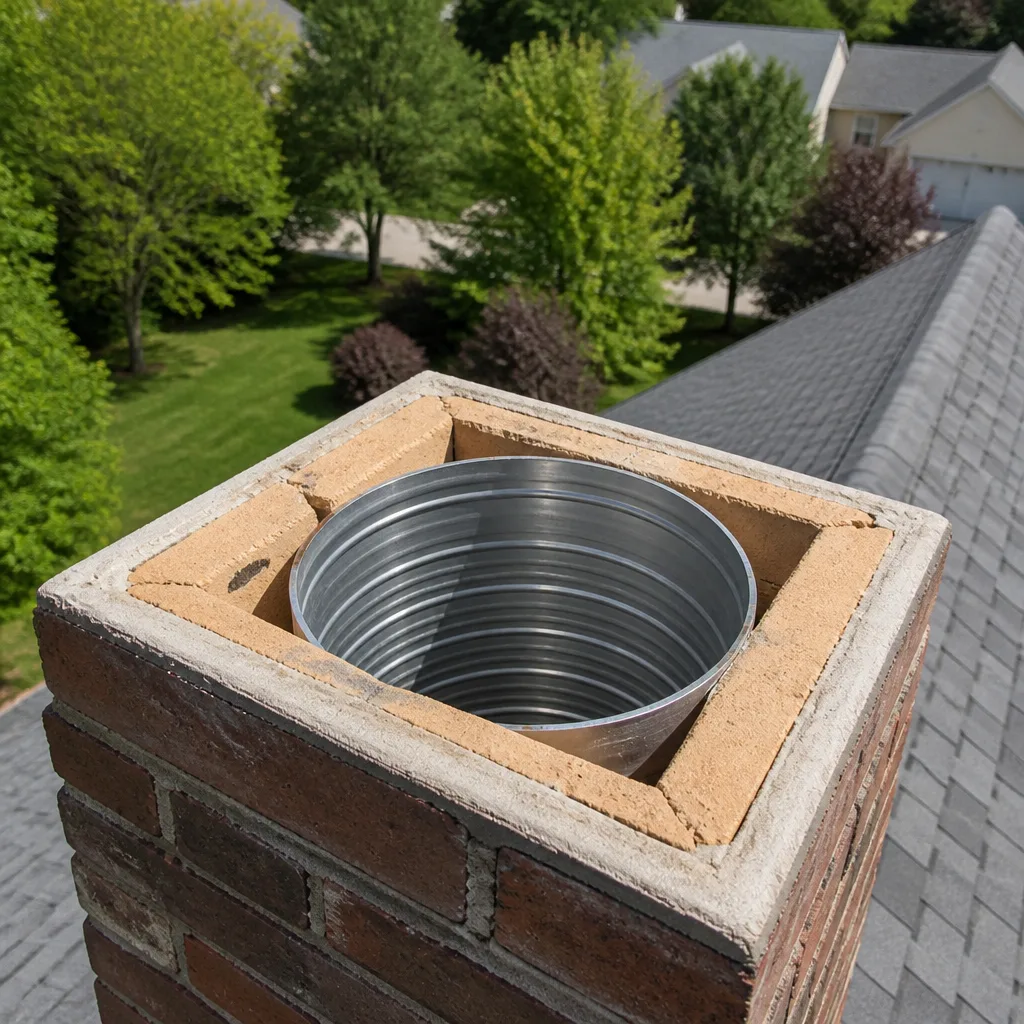 Flue relining
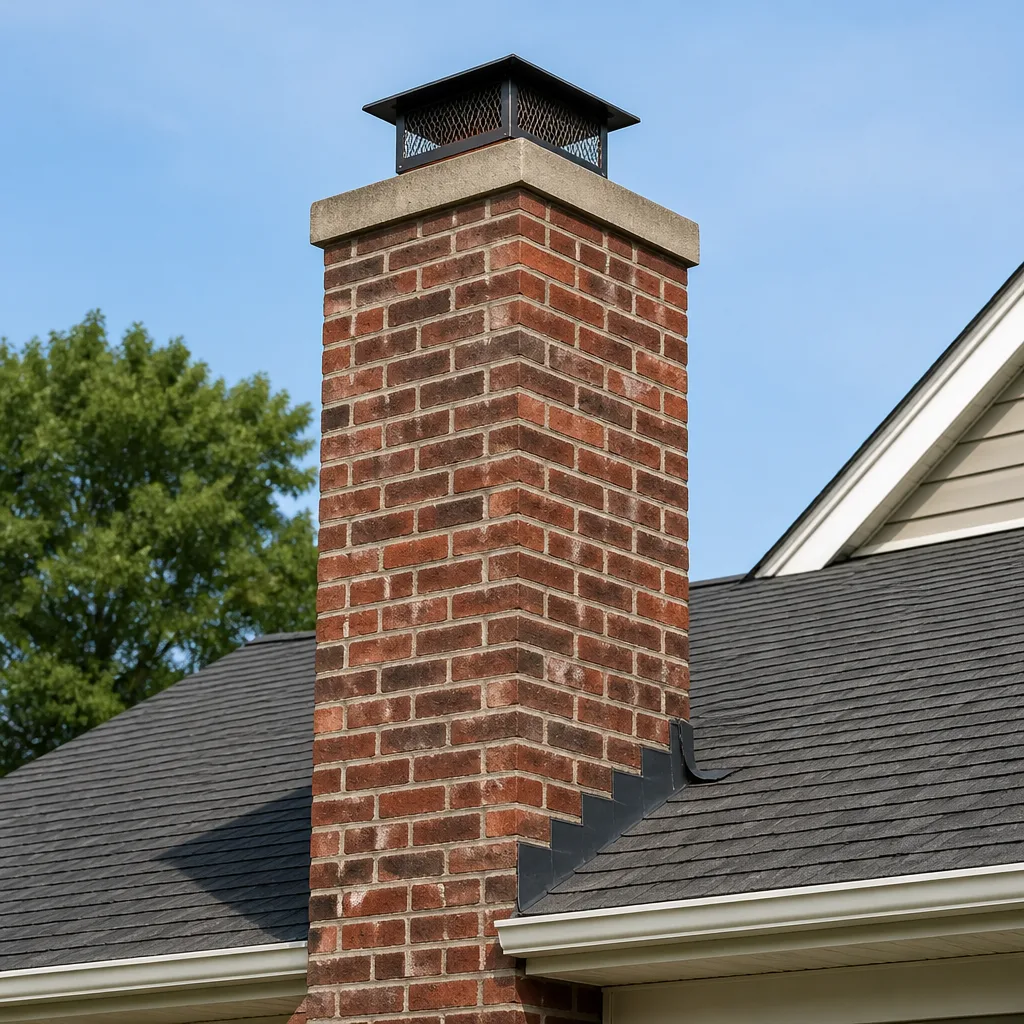 Masonry repair
 Gas fireplace service
Level 1 sweep and inspection to the NFPA 211 annual standard - flue, crown, cap, and flashing checked and photographed
Chimney sweep logs do not sweep chimneys. They loosen some creosote - which then falls where a brush and vacuum still have to collect it.
Chimney Sweep Troubleshooting in Metairie: Common Problems and How to Fix Them
If your fireplace smokes into the room every time it rains, that’s not a draft problem. It’s almost certainly a missing or damaged chimney cap, and no amount of flue cleaning will stop it. That distinction matters, because homeowners in Metairie spend a lot of money on the wrong fix. A sweep won’t solve a broken crown. A damper adjustment won’t solve a cracked liner. Smoke spilling from one corner of the firebox points to a different defect than a cold smell coming down the flue on a mild day. We’ve watched these symptoms get misread for years, so this guide maps each one to the cause it usually signals, shows you what you can safely check yourself, and explains when a camera inspection is the only honest way to confirm what’s going on. Keep reading and you’ll know which problem you have before you call anyone.
Quick Answer
Most chimney problems in Metairie come down to four defects: a missing or damaged cap, a cracked or deteriorating flue liner, a failed crown that lets water in, or a rusted or stuck damper. Each one produces a distinct symptom, so the fastest way to troubleshoot is to match the symptom to the cause rather than guess. If smoke enters the room only during rain, suspect the cap. If it enters whenever the fire is lit and the house is tightly closed, suspect the liner or an undersized flue. If you smell a cold, acrid odor when the fireplace is idle, suspect moisture and creosote. A camera inspection confirms which one it actually is.
Styles & brands we work with
- Sweep & inspection
- Caps & crowns
- Flue relining
- Masonry repair
- Gas fireplace service
Table of Contents
- Symptom-to-Cause Map: Which Problem Do You Actually Have?
- Why Does Smoke Come Into the House When It Rains in Metairie?
- Backdraft vs. Smoke Spillage: Two Different Problems
- How Metairie Humidity Changes What Creosote and Masonry Do
- The Damper Test You Can Safely Do Yourself
- What You Can Diagnose Yourself vs. What Needs a Camera
- When a Cleaning Problem Is Really a Liner Problem
- Persistent Odors: What They Tell You About Your Chimney
Symptom-to-Cause Map: Which Problem Do You Actually Have?
Chimney troubleshooting gets easier the moment you stop treating every problem as “the chimney.” A fireplace and its flue are a system, and each component fails in its own way. Below is the mapping we use when a homeowner describes symptoms over the phone, before anyone ever climbs up.
- Smoke enters the room only during rain. Almost always a missing, rusted, or incorrectly sized cap. The cap does two jobs: it keeps water out and it prevents downdrafts. A cap that has rusted through or blown loose does neither. This is not a cleaning problem and sweeping won’t fix it.
- Smoke rolls out of the firebox as soon as you light the fire. This is spillage, and it usually means the flue is undersized for the firebox opening, partially blocked, or the liner has separated at a joint. A camera climb confirms it.
- Smoke appears at the top of the firebox or from the damper area even when the fire is burning well. Often a broken or stuck damper that isn’t opening fully, or a damper frame that has warped. This is a mechanical problem, not a draft problem.
- A cold, sooty smell comes down the chimney when the fireplace is off. Moisture combining with creosote residue, plus a flue that stays damp because the cap or crown is compromised. In Metairie’s humidity this happens faster than homeowners from drier climates expect.
- Staining on the ceiling or a soft spot on the chimney exterior wall inside the attic. Water intrusion through a failed crown or flashing. This is a masonry problem and can turn into a structural one if left alone.
- White, chalky powder on the chimney’s brick exterior. Efflorescence, the visible sign of water moving through masonry. The moisture is getting in somewhere and finding its way out through the brick.
When we talk to a homeowner on a Metairie Chimney Sweep consultation, this list is the first thing we run through together. Often the caller has already narrowed it down to the right category without realizing it.
Why Does Smoke Come Into the House When It Rains in Metairie?
Smoke entering the room during rain is nearly always a cap problem, not a flue problem, and no amount of brushing will stop it. The physics is simple: a chimney cap sits on top of the flue and does two jobs at once. It keeps rain out of the liner and it breaks up the wind currents that can push air back down the flue. When the cap rusts through, gets blown off in a storm, or was never installed correctly, both jobs fail at the same time.
Metairie’s pattern of afternoon thunderstorms and tropical rain events means a chimney gets soaked from above far more often than a homeowner notices. Water running down the inside of the flue does three bad things: it rusts any metal components, it cracks firebrick on its way down, and it mixes with soot and creosote to make a sticky, corrosive paste that eats at the flue liner from the inside. That process is slow but relentless.
Here’s the sequence we recommend when a homeowner suspects a cap problem:
- Look up from the yard on a dry day. A working cap has a solid roof panel, a metal mesh or louvered sides for exhaust, and sits above the flue opening with visible clearance. Missing cap, rusted-through cap, or a cap that’s slipped off to one side all mean water is coming in.
- Check the firebox floor for fresh water stains. A puddle, a damp patch, or an outline on the brick where water has dried are all signs of a top-side leak.
- Look for rust stains anywhere in the firebox or on the damper. Rust in a firebox that shouldn’t be wet is another cap failure signature.
- Don’t try to inspect or replace the cap yourself. Getting on a roof to check a cap is a height-work job, and the top of a residential chimney is often higher than a two-story ladder can safely reach. Call a professional and let them do the climb.
Our technicians are equipped to install replacement caps and storm collars using components from brands like Copperfield, which are made for the trade rather than for a hardware-store shelf. A cap replacement is typically a quick fix once the diagnosis is right, and it’s the single most common repair that stops smoke-during-rain complaints.
Backdraft vs. Smoke Spillage: Two Different Problems
Backdraft and smoke spillage look similar from the couch, but they’re different failures with different fixes, and confusing them wastes money. Backdraft is air moving down the flue into the room when the fireplace is off or just starting up. Spillage is smoke escaping the firebox into the room while a fire is actually burning. Both make the room smell like a campfire, so homeowners often can’t tell which one they have.
Backdraft happens when the air pressure inside the house is lower than outside, and the chimney becomes the easiest path for outside air to get back in. In a Metairie home that’s been sealed and insulated tightly against summer heat, this can happen on a mild evening when the indoor air is cooler and denser than outdoor air. The flue has no upward draft to fight, so it acts as an inlet instead of an exhaust. Signs to look for:
- Cold air coming down the chimney and out the firebox opening when no fire is burning
- A smell like cold soot when the heat or AC first kicks on
- Smoke rolling out briefly right after lighting, then settling down once the flue warms up
- Other exhaust appliances (bathroom vents, kitchen range hood) in the house pulling harder than the chimney
Spillage is different. Air is escaping up the flue correctly, but not fast enough or cleanly enough to carry all the smoke with it. Common causes are a flue that’s too small for the firebox, a partially blocked flue, a liner joint that’s come apart, or a damper that’s not fully opening. Spillage is often a sign of a real defect and should be diagnosed with a camera, not adjusted around.
One quick check: if the problem only shows up when you first light the fire and goes away within a minute or two, it’s more likely a backdraft (pressure equalizing). If it continues for the whole burn, it’s spillage, and a proper chimney sweep with a camera inspection will find the cause. Do not try to fix backdraft by opening more windows while a fire is burning. Call a professional.
How Metairie Humidity Changes What Creosote and Masonry Do
Metairie’s humidity is a bigger factor in chimney health than most homeowners realize, and it makes two problems behave differently here than in drier parts of the country: creosote condensation and masonry spalling. In a dry climate, creosote deposits sit on the flue wall mostly as a hard, glazed layer. Here, they draw moisture from the air every time the fireplace is off, which softens the top layer, changes its chemistry, and makes the whole deposit more likely to break loose and fall back down the flue.
Creosote that’s been through a few cycles of humidity and drying is stickier and harder to remove. That’s one reason we recommend annual sweeps here rather than “when it looks thick.” The layer doesn’t just grow; it changes shape and consistency, and the harder stage-three deposits often require a rotary sweep rather than a standard brush.
Masonry spalling is the second issue. Spalling is brick or mortar flaking off the chimney’s face. It happens when water gets into the masonry and can’t get out fast enough, so it freezes (rare here) or simply cycles through wet and dry and pushes the surface off in layers. Metairie’s combination of frequent rain and high humidity keeps masonry damp for long stretches, and the visible sign is the chalky crust or the flaking brick face. Left alone, spalling eats into the chimney structure itself.
What actually prevents both problems:
- A properly fitting cap, so rain can’t enter the flue from above
- A watertight crown that sheds water away from the flue, not toward it
- Mortar joints in good repair, because cracked mortar is the entry point for moisture
- Annual sweeps to remove creosote before it can go through more wet-dry cycles
- A camera inspection after any visible spalling to check whether water has reached the flue liner
Waterproofing a masonry chimney with a breathable sealer helps in this climate, because it slows water entry without trapping the moisture already inside. That’s a repair decision to make based on what the chimney looks like up close, so call for an inspection before committing. We can apply HeatShield to restore a deteriorating flue liner from the inside when the surface has broken down but the tile itself is still structurally sound, which saves a full liner replacement on many Metairie chimneys.
The Damper Test You Can Safely Do Yourself
A stuck or partially closed damper is one of the easiest chimney problems to diagnose without a professional, and it’s a safe test to run because it involves no fire and no climbing. The damper is the metal plate inside the firebox that opens and closes to control airflow. If it doesn’t open fully, smoke will spill into the room regardless of how clean the flue is.
Here’s the test:
- Wait until the fireplace has been cold for at least 12 hours. Do not reach into a warm firebox.
- Locate the damper handle. It’s usually a metal lever or a small chain inside the top of the firebox, just behind the opening. Some are operated by a knob on the fireplace face.
- Look up into the firebox with a flashlight. You should see the metal plate visibly pivoting when the handle is moved.
- Open the damper fully. The plate should rotate so the flue opening is unobstructed. If it stops partway, if it feels stuck or gritty, or if the handle spins without moving anything, the damper needs repair.
- Check for rust and debris. A damper that’s rusted in place, or one with soot and creosote built up around the pivot, will not open cleanly.
What this test tells you: if the damper opens fully and cleanly, that’s not your problem, and you can move on to other causes. If it doesn’t open fully, that’s the first thing to fix, and it’s a mechanical repair that does not require a full inspection. A rusted damper or a warped frame also tells us water has probably been getting into the firebox from above, which points back to a cap or crown issue worth checking.
What you should not do: don’t try to force a stuck damper, don’t remove the damper assembly yourself, and don’t light a test fire in the firebox to see if the problem is fixed. A jammed damper that breaks free while the fire is lit is a real hazard. If the damper test reveals a problem, call us and we’ll diagnose it without a fire in the firebox.
What You Can Diagnose Yourself vs. What Needs a Camera
Some chimney problems are safe for a homeowner to diagnose, and some are not, and the line between them matters. The safe list is short and stays at ground level. The camera list is where most real problems hide.
Safe to check yourself:
- Visible water stains or puddles in the firebox floor
- Rust on the firebox door, damper, or grate (points to moisture)
- A damper that opens and closes smoothly, using the test above
- The exterior brick and crown from the ground: look for loose brick, chalky efflorescence, cracks in the crown, missing cap
- The wood you’re burning: well-seasoned, split, and dry wood produces far less creosote than green or damp wood
- Wispy smoke curling back into the room when you first light a fire, which points to backdraft
Needs a camera inspection:
- Smoke spilling steadily from the firebox while the fire burns
- Any suspicion of a cracked or separated flue liner
- Odor when the fireplace is off
- Creosote that has formed a hard glaze or a thick layer on the flue wall
- Any visible spalling on the chimney exterior, because the camera confirms whether water has reached the liner
- Obstructions (bird or animal nests, fallen tile, collapsed mortar)
A camera inspection sends a small camera down the flue and shows the homeowner what’s actually going on inside the chimney, joint by joint. This is the tool that separates a confirmed defect from a guess. When we schedule a sweep, the camera inspection and photo report are part of the visit, so a homeowner isn’t asked to trust a verbal diagnosis they can’t verify. For a homeowner in Metairie, where a chimney’s interior has usually seen years of humidity cycles before a problem becomes obvious from the room, this is the single most valuable step in the diagnosis.
When a Cleaning Problem Is Really a Liner Problem
A fire that smokes even after a fresh sweep is almost never still a cleaning problem; it’s usually a liner problem the sweep didn’t cause and the sweep can’t fix by cleaning again. The flue liner is the layer inside the chimney that carries smoke up and out. When it’s intact, it does that job efficiently and protects the surrounding masonry from heat and creosote. When it’s cracked, separated at a joint, or missing chunks, smoke finds its way out of the flue and back into the house.
The trap is that the symptom looks like a dirty flue. A homeowner lights a fire, it smokes, they call for a sweep, the sweep cleans out a moderate amount of creosote, the fire still smokes, and the cycle starts again. Each visit cleans a little and finds the same symptoms, because the real cause is a liner that’s lost its ability to contain smoke. The cleaning was never going to fix it.
How to tell the difference before you pay for a second sweep:
- Timing matters. If the smoke got steadily worse over months, that points to a cleaning or creosote problem. If it appeared suddenly, especially after a storm, it points to a physical defect.
- Direction of the smoke. Smoke rolling out from the damper area or a seam in the firebox wall suggests a liner separation. Smoke billowing from the top of the firebox opening suggests an obstruction or undersized flue.
- What the last sweep reported. Any note of “glazed creosote, stage three,” a “cracked tile,” or “recommended camera inspection” should be treated as a liner flag, not a cleaning flag.
- A recent chimney fire that went out on its own. Even a small one can crack a flue tile in a way that never gets noticed until the smoke starts.
If the diagnosis is a compromised liner, the fix is a new liner, and it’s worth understanding the options before you agree to anything. We install DuraFlex flexible liner systems, which are engineered for trained installation and relined from the top down without tearing into the chimney structure. When the tile surface has broken down but the flue is still structurally sound, HeatShield restoration is often a less invasive repair that reseals the flue from the inside. Both are confirmed by camera before and after. When you schedule a dryer vent cleaning at the same time, that’s the second flue in your home getting the same treatment, and it’s worth doing.
Persistent Odors: What They Tell You About Your Chimney
An odor from the chimney when the fireplace is idle is almost always moisture combined with creosote residue, and in Metairie’s climate it happens faster than most homeowners expect. The smell is often described as “cold soot,” “campfire in the morning,” or a wet ash smell. It’s strongest on humid days, on days when the AC is running hard, and right after a rain.
What each odor pattern usually means:
- Wet ash, sooty smell that’s stronger on humid days. Creosote residue that’s holding moisture. Usually resolved by a sweep plus a liner inspection to confirm there’s no underlying dampness problem.
- Smell of rotting wood or leaves. A nest, animal debris, or a block of leaves in the flue. Needs physical removal, not just brushing.
- Sharp, chemical, or acrid smell. Often glazed creosote or a chimney that’s been through a partial fire. This is the odor most worth a camera inspection, because it can point to a defect the smell is escaping through.
- Smell that’s strongest when the AC or heat first turns on. Backdraft pulling air down the chimney. The HVAC system is depressurizing the house, and the chimney is the easiest path for replacement air. Fix the pressure balance and the smell goes away.
The cheap fixes (spray deodorizers, scented fire logs, opening a window) all treat the smell, not the cause. The efficient fix is to have the flue swept and inspected, capped if the cap is failing, and sealed if masonry is letting water in. In our experience, once the source is fixed, the odor doesn’t come back unless the conditions that caused it do. HeatShield application on a damp, spalling flue is often the step that ends a smell that’s hung around for a season or two.
Common Mistakes to Avoid
- Treating every smoke problem as a cleaning problem. A homeowner who has the flue swept three times in a year and still has a smoking fireplace is paying for cleaning when the real problem is a cap, crown, or liner. Ask on the first visit for a camera inspection and a photo report so you know what’s actually inside.
- Buying a hardware-store cap and installing it yourself. A cap that’s the wrong size or has the wrong mesh pattern can make a draft problem worse, and getting on the roof to install it is genuine height work. Caps from trade brands like Famco and Olympia Chimney are sized for the flue opening and installed with the right fasteners; a hardware store substitute is a gamble.
- Lighting a test fire to “see if it’s fixed.” If the damper is stuck or the flue is partially blocked, a test fire is a carbon monoxide risk. Diagnose the damper with the flashlight method, not with fire.
- Ignoring a smell because “it goes away in the summer.” The odor going away doesn’t mean the moisture source is gone; it means the humidity has dropped. In Metairie, that “gone” smell comes back every fall.
- Letting a small chimney fire go unreported. Even a contained chimney fire can crack a flue tile or warp a liner joint. If you’ve had one, especially if you heard a low roar or saw flames at the cap, get a camera inspection before lighting another fire.
- Skipping the dryer vent because the chimney seemed fine. A dryer vent is a flue too, and lint buildup from a clogged vent is the same kind of fire fuel a chimney carries. Running hot, taking two cycles, or smelling of lint after a load are all reasons to have the vent cleaned. We handle both on the same visit when a homeowner wants them done together.
- Assuming a liner replacement is always the answer. When the tile has surface damage but the flue is structurally intact, HeatShield restoration is often a real option. A company that only sells liners will sell you a liner; a company equipped for both will show you the camera evidence and let the condition of the flue decide.
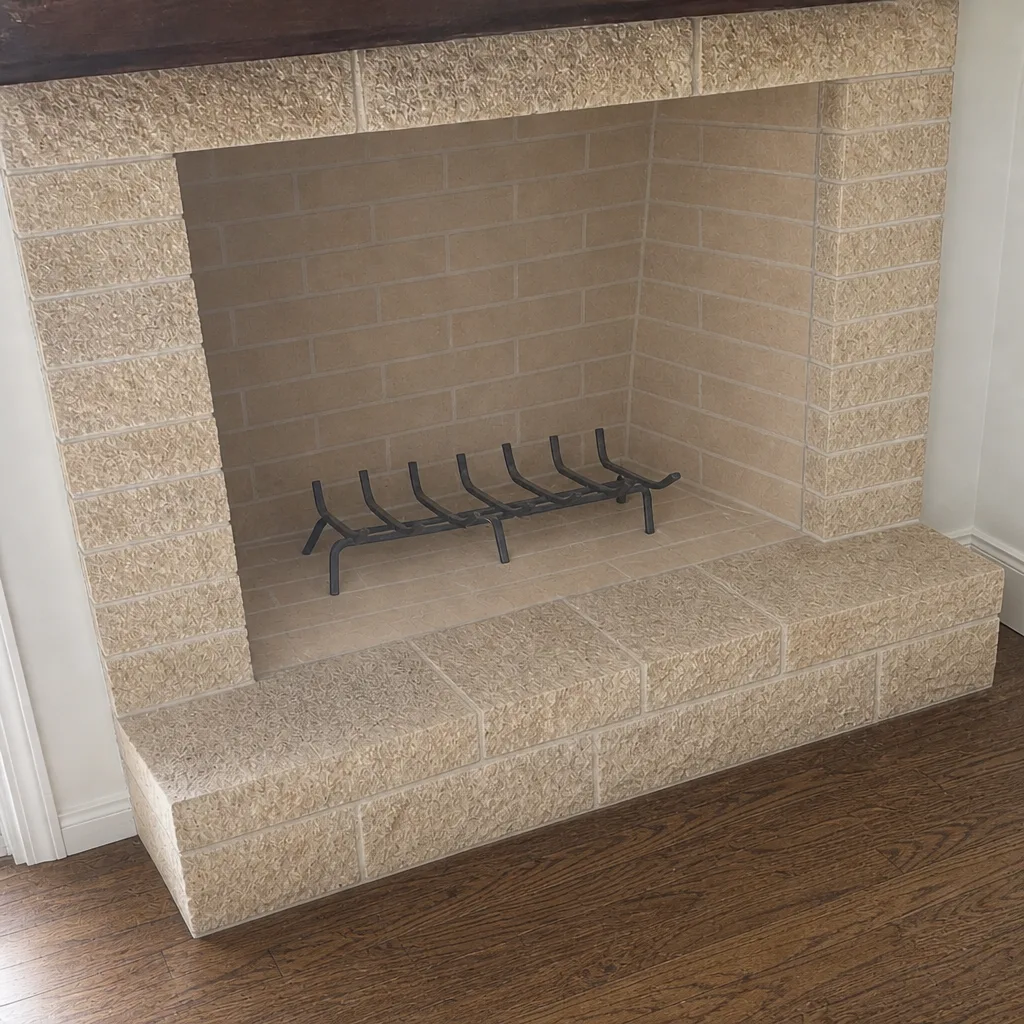
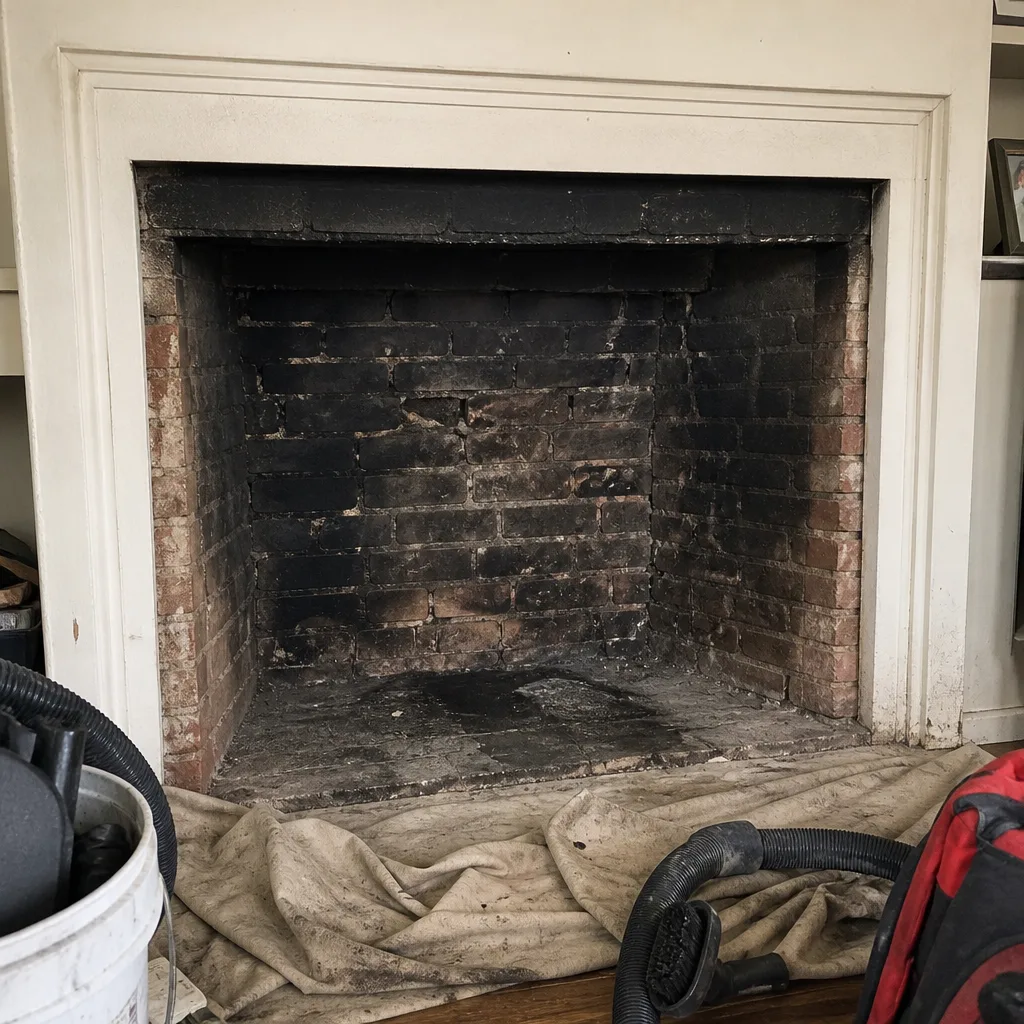
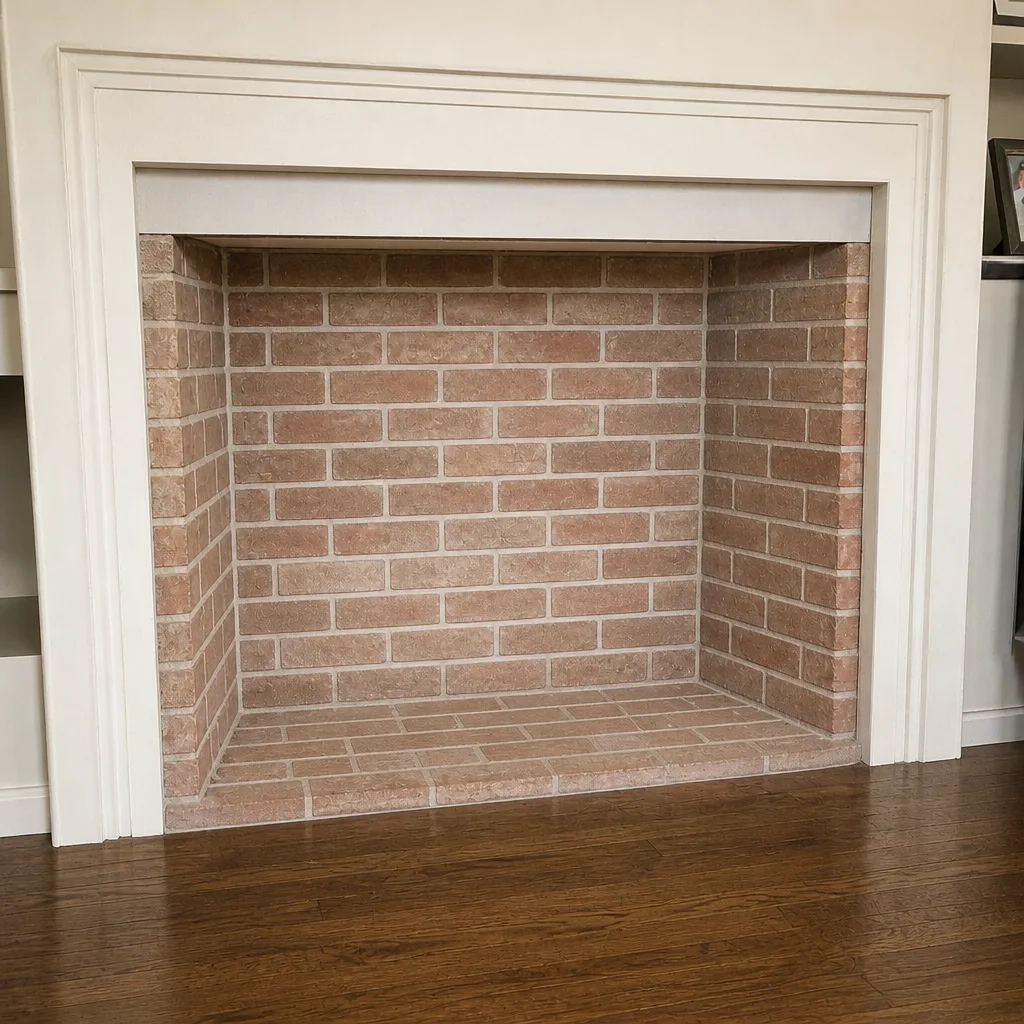
See the difference
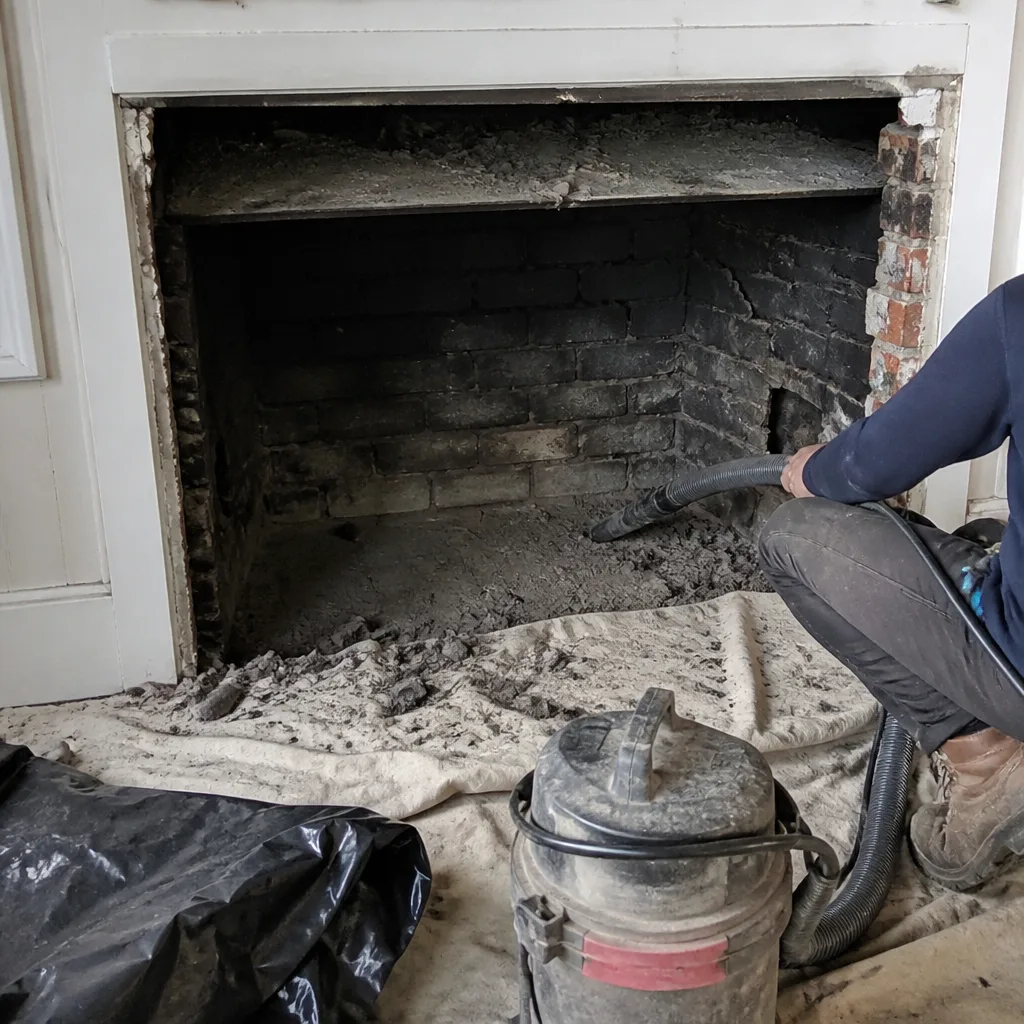 Before
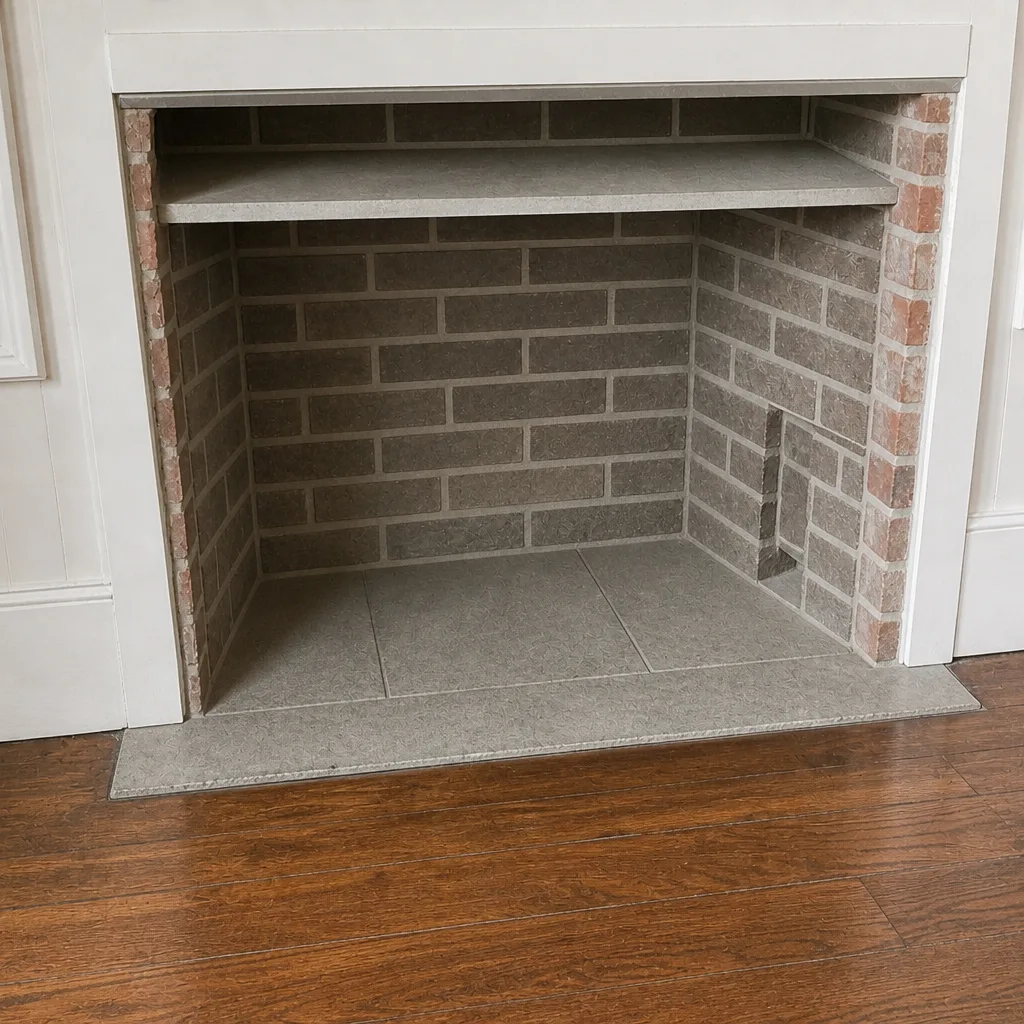 After
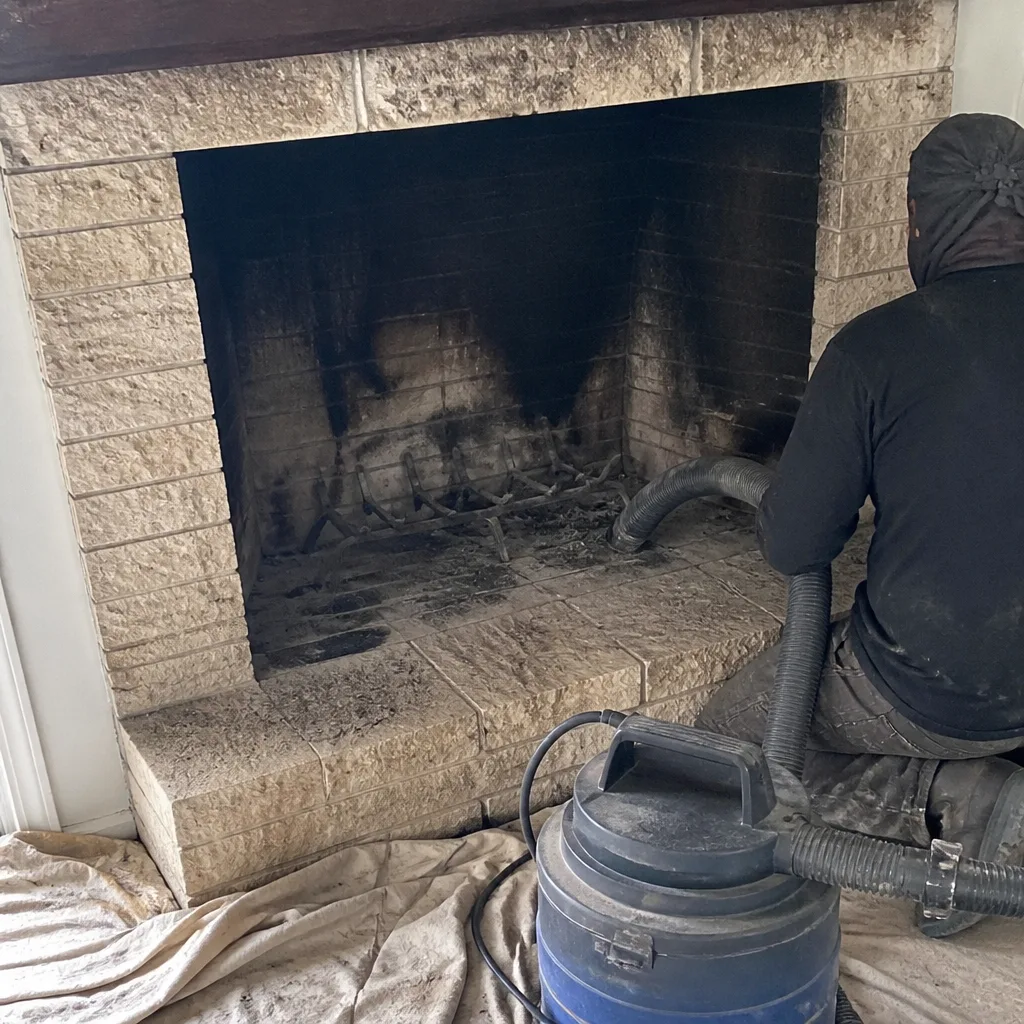 Before
 After
 Before
 After
When to Call a Professional
Call before you light another fire if you’ve seen flames or smoke escape the firebox onto the hearth, if your carbon monoxide detector has gone off, if you’ve had a chimney fire, or if the firebox floor is wet after a rain. Those are same-day situations. Also call if your damper test fails, if the smell from the fireplace is sharp rather than just sooty, or if you’ve had the flue swept and it still smokes. Those can wait until the next opening, but they shouldn’t wait for the next burning season. We answer 24/7, and fast dispatch runs 7am-7pm, Sunday through Friday.
Metairie Chimney Sweep offers free estimates in Metairie – call (855) 630-9846. We’ll run the camera, show you the photo, and tell you plainly whether the problem can wait. Our technicians have up to 9 years of experience, and the estimate is written before any work begins.
Frequently Asked Questions
Smoke during rain is a cap problem, not a flue problem. The cap keeps water out and breaks up wind downdrafts. When it rusts through, blows loose, or was never installed correctly, rain enters the flue and downdrafts get worse at the same time. Cleaning won’t fix it. A proper cap replacement will. Call (855) 630-9846 for an exact quote – estimates are free.
Once a year for most homes that burn wood regularly, and at the end of the burning season rather than the start so the creosote doesn’t sit through the humid months. Metairie’s humidity makes creosote draw moisture when the fireplace is off, so a fall sweep leaves a fresh layer growing through the wettest part of the year. If you burn often, a mid-season check is worth it. Call (855) 630-9846 to schedule a sweep and camera inspection.
Creosote builds up and goes through wet-dry cycles that make it harder and stickier. Stage-three glazed creosote is the fuel a chimney fire feeds on. Skipping the sweep also means small liner cracks and cap failures go unnoticed until they show up as water damage or smoke in the room. A camera inspection on a scheduled sweep catches them while they’re still cheap to fix. Call (855) 630-9846 for an estimate.
Not always. If the camera shows a cracked or separated tile, a liner is the honest answer. If it shows surface damage with the flue still structurally sound, HeatShield restoration can often reseal it without a full replacement. Ask for the camera footage and the photo report before you agree to anything. Call (855) 630-9846 and we’ll show you what we see.
Yes, and it’s safe to do. With the fireplace cold for at least 12 hours, use a flashlight to look up into the firebox and move the damper handle. If the metal plate opens fully and cleanly, the damper is fine. If it sticks, spins without moving, or stops partway, it needs repair and no test fire should be lit. Call (855) 630-9846 to have it looked at.
It’s moisture plus creosote residue, and it gets worse in humid weather. A failing cap or crown lets water in, and the creosote holds it. The fix is a sweep, a cap or crown repair if needed, and a camera check to confirm no underlying dampness problem. Scented sprays cover the smell without fixing the source. Call (855) 630-9846 for a free estimate.
It’s the same kind of problem: a flue that carries heat, exhaust, and a flammable residue (lint instead of creosote) up and out of the house. A clogged dryer vent is a fire risk and a carbon monoxide risk, and the symptom is a dryer that runs hot and takes two cycles. We handle it alongside chimney work, and it’s worth doing on the same visit. Call (855) 630-9846.
The Bottom Line
Chimney problems in Metairie look alike from the living room but are different underneath. Smoke during rain means a cap. Smoke while burning means a liner, a damper, or an obstruction. Smell while idle means moisture plus creosote. Spalling on the exterior means water is finding its way through the masonry. The one thing that turns a guess into a fix is the camera inspection, and the one thing that saves you a second visit is having that inspection done by a company that can also do the repair. Our technicians have up to 9 years of experience, we stock trade-grade components from brands like Olympia Chimney and Famco, and we’re equipped for DuraFlex liner installation and HeatShield restoration when the flue needs more than a cleaning. Nothing gets recommended without camera evidence you can see for yourself, and if a repair can safely wait, we’ll say so.
Written by the team at Metairie Chimney Sweep.