
Last updated November 14, 2026
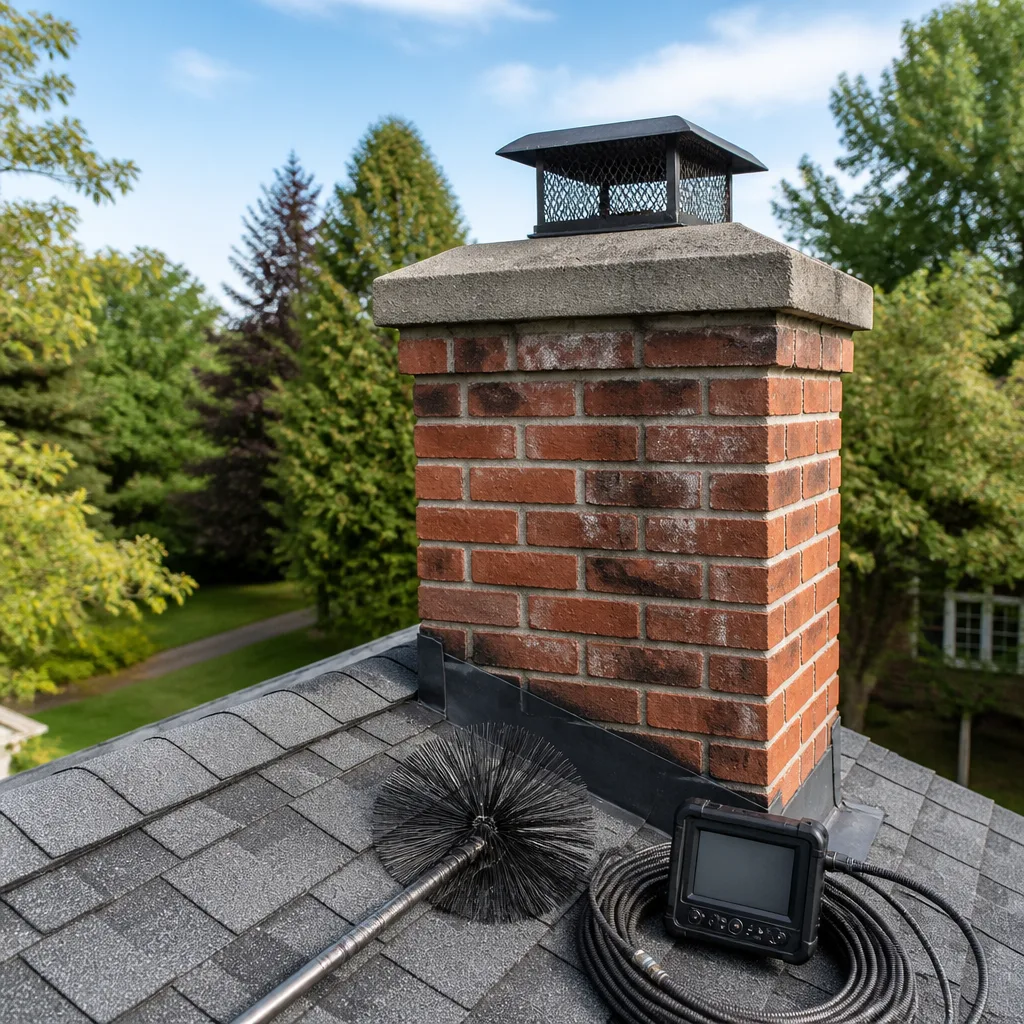 Sweep & inspection
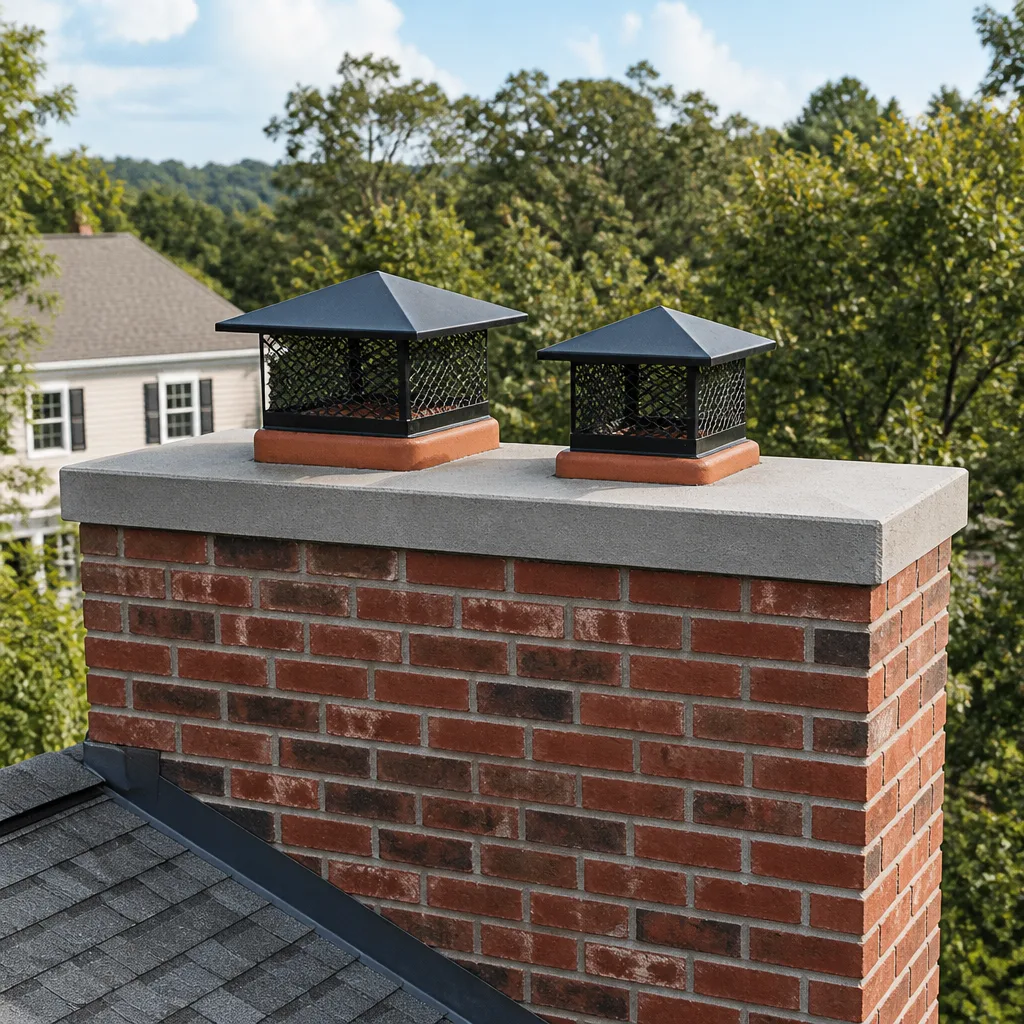 Caps & crowns
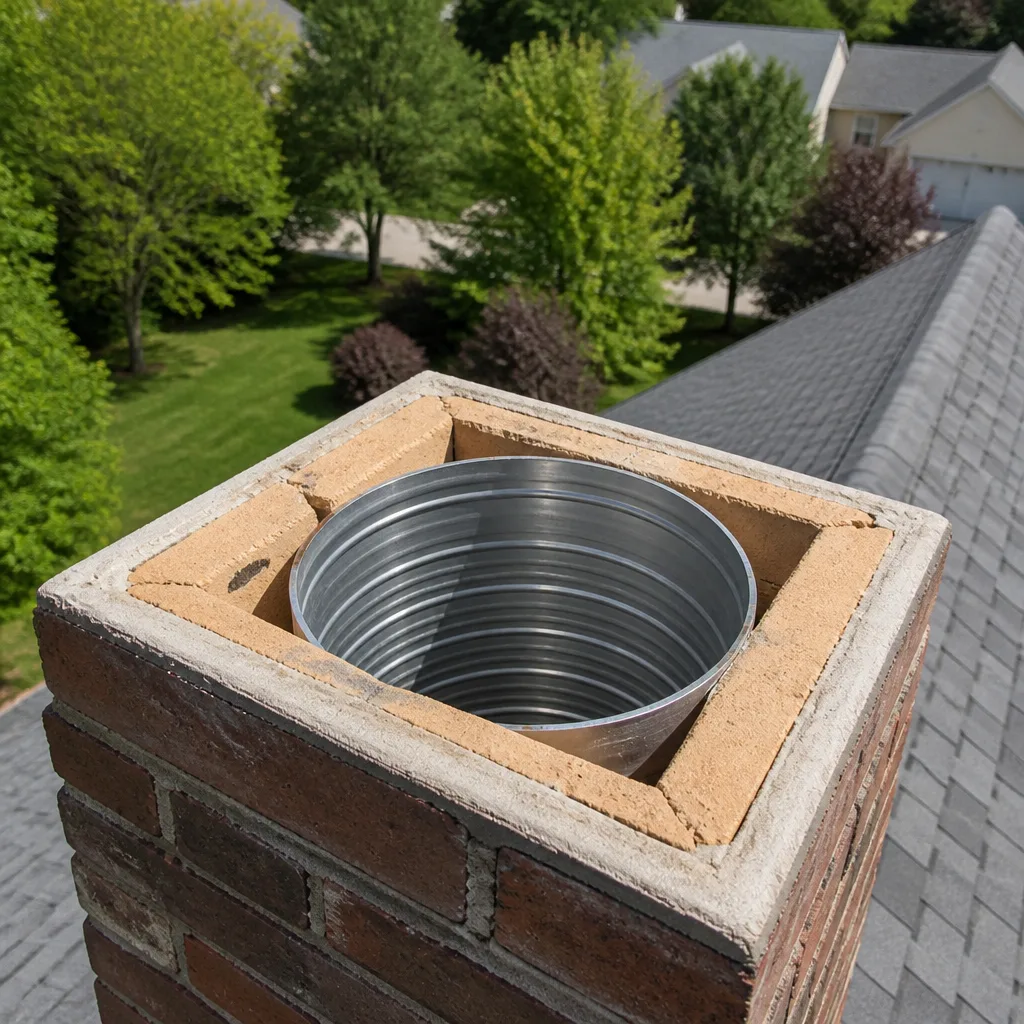 Flue relining
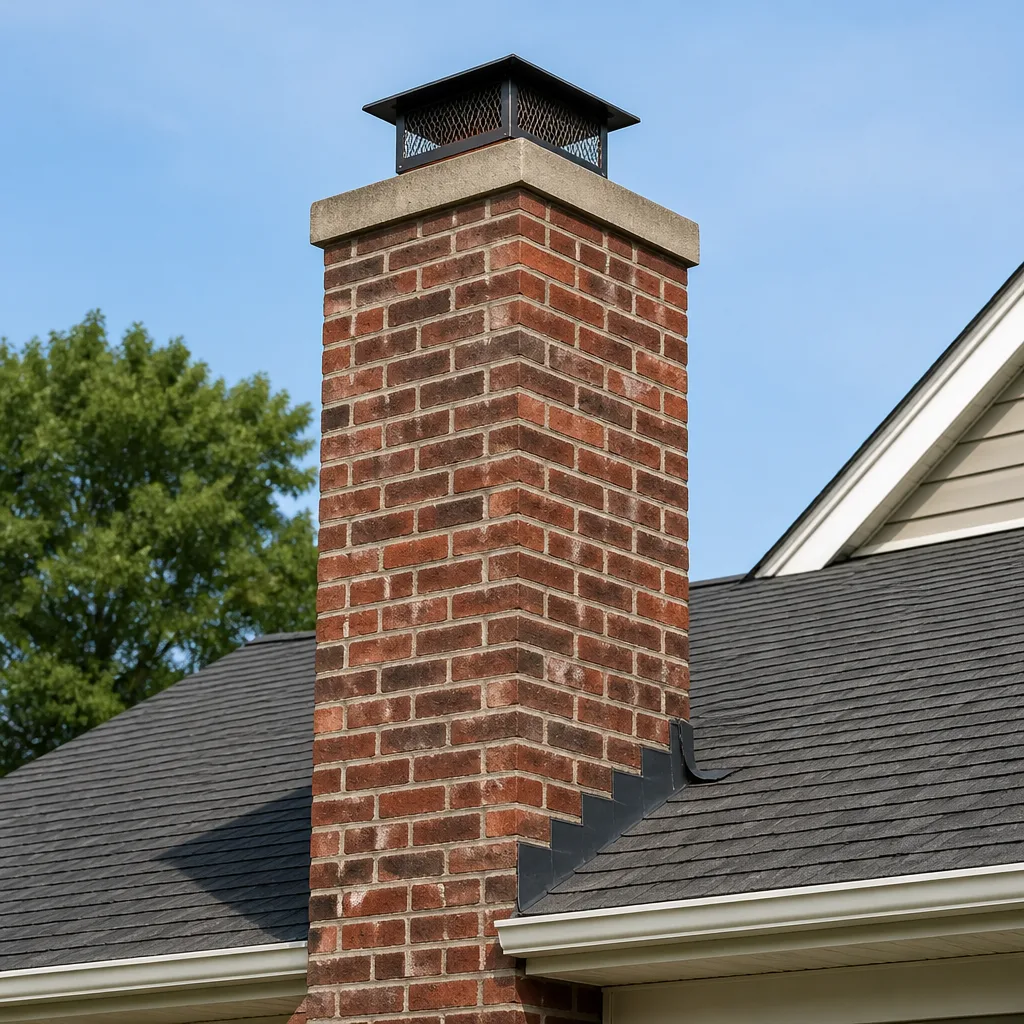 Masonry repair
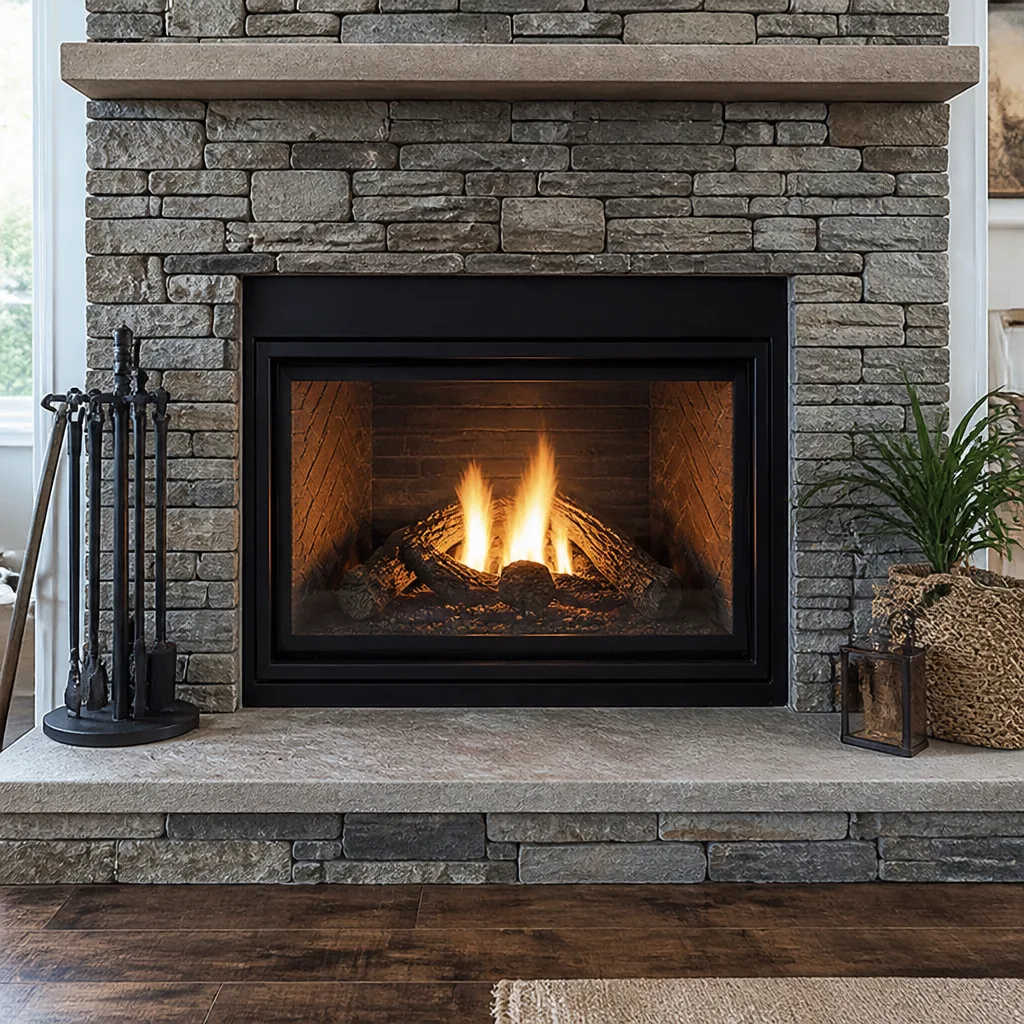 Gas fireplace service
Level 1 sweep and inspection to the NFPA 211 annual standard - flue, crown, cap, and flashing checked and photographed
Chimney sweep logs do not sweep chimneys. They loosen some creosote - which then falls where a brush and vacuum still have to collect it.
Chimney Cleaning Emergency Preparedness Guide for Metairie Homes
After a storm passes through Metairie, generators get all the attention. People check the oil, test the cord, worry about carbon monoxide from a machine humming on the carport. That concern is fair. But there’s a second vented appliance in many Metairie homes that gets almost no scrutiny after a hurricane: the fireplace and its flue. A chimney compromised by wind-driven debris, a shifted cap, or a cracked tile is an equal carbon monoxide and fire risk when you lean on it during an outage, and most households have no way to assess it on their own. This guide covers how to check your chimney quickly after a tropical system, what a blocked flue looks and smells like, when to call versus when to simply wait, and what to have on file before storm season so a problem gets answered fast.
Quick Answer
Before you use any vented heating appliance during a power outage in Metairie, check the firebox for fallen debris, confirm the damper opens fully, look for daylight at the top of the flue, and smell for soot or a smoky draft. If you see obstruction, smell gas, or find a damaged cap or crown, don’t light a fire – call for service. If the flue looks clear and drafts normally, a wood-burning fireplace can be used with care, but a professional inspection is what actually confirms it’s safe.
Styles & brands we work with
- Sweep & inspection
- Caps & crowns
- Flue relining
- Masonry repair
- Gas fireplace service
Table of Contents
- Why Storm Season and Burning Season Overlap in Metairie
- How to Assess Your Chimney Quickly After a Storm
- What a Blocked or Partially Blocked Flue Looks and Smells Like
- The Emergency Call Decision Tree: Call Now or Wait?
- Using Alternative Heat When the Chimney Status Is Unknown
- What to Have on File Before Storm Season
- Your Dryer Vent Is a Chimney Too
- Repair vs. Replace: What Storm Damage Usually Needs
Why Storm Season and Burning Season Overlap in Metairie
Metairie sits in a stretch of southeast Louisiana where the calendar doesn’t cleanly separate the two things that matter most here: hurricanes and fireplaces. Atlantic storm season runs from June through November. The first genuinely cool evenings that make people want a fire often arrive in late October and November, right in the back half of that same window. In a bad year, a household can lose power from a storm in September and be lighting the first fire of the season in November with a flue nobody has looked at since the previous spring.
That overlap is the reason this guide exists. In most of the country, you winterize the chimney in fall and worry about storms in summer, and the two chores stay separate. In Metairie, they collide. A hurricane can compromise a flue in a way that leaves no obvious sign from the living room: a cap knocked askew, a crown cracked by wind-driven rain, a bird’s nest or a palm frond wedged into the flue, a tile cracked when something struck the chimney top. None of that announces itself. The fireplace still looks normal. It will still accept a match. What it won’t necessarily do is vent correctly.
Add the power-outage factor and the stakes rise. When the grid goes down after a storm, a wood-burning fireplace stops being ambiance and becomes infrastructure. It’s heat, and sometimes the only heat. A gas log set may still light if the gas line is intact, and people lean on it hard. A chimney that would have been fine for a decorative fire once a week is now being asked to run for hours, on a flue of unknown condition, in a house full of people who are already stressed and tired. That’s the exact combination this guide is built around.
We’ve seen how quickly a post-storm assessment turns into a repair conversation, and how often the repair is smaller than the homeowner feared – a cap replacement, a crown repair, a HeatShield application to restore a deteriorating flue rather than a full tear-out. The point of preparing now is to make that conversation fast and informed when it matters. For the routine version of this work any time of year, our chimney sweep page covers what a standard visit includes.
How to Assess Your Chimney Quickly After a Storm
You can do a fast, safe visual check of your chimney after a storm without climbing anything or opening up a firebox full of ash. The goal is not to certify the flue – only a professional inspection does that – but to spot the obvious problems that mean “don’t light a fire until someone looks at this.” Do this check before the first fire of the season, and again after any named storm that brought high wind or heavy rain to your part of Metairie.
- Look at the chimney from the ground. From your yard or the street, check the chimney top for a cap that’s tilted, missing, or sitting crooked. Look for visible cracks in the crown, missing mortar at the top, or anything hanging off the exterior. A cap that’s been knocked loose is one of the most common post-storm findings, and it’s also the way birds and debris get in.
- Check for exterior damage. Look at the flashing where the chimney meets the roof and at the brick or siding for cracks, missing pieces, or staining. Wind-driven rain can drive water into a compromised chimney in a way a normal rain never would.
- Open the firebox and look up. With a flashlight, look at the damper and the flue above it. You’re looking for daylight at the top of the flue. If you can see daylight, the flue isn’t fully blocked at that point. If you can’t, that doesn’t automatically mean it’s blocked – a bend or an offset in the flue can hide the top – but it’s a reason to have it checked before lighting.
- Look for debris in the firebox. Fallen soot, pieces of tile, nesting material, leaves, or anything that clearly dropped down the flue. Debris in the firebox after a storm is a signal that something came down the chimney.
- Open the damper fully. Confirm it moves freely and opens all the way. A damper stuck partly closed after a storm is a smoke and carbon monoxide problem waiting to happen.
- Smell before you light. A strong soot smell, a smoky draft coming down into the room, or any gas smell near a gas log set means stop. A gas smell is a call-the-gas-company situation, not a chimney one, but it’s the same rule: no fire.
- Test the draft with a small, safe check. Briefly hold a lit rolled-up newspaper near the open damper and watch the smoke. If it rises up the flue, draft is at least partially working. If it rolls back into the room, don’t light a fire – the flue needs looking at.
What you’re doing here is triage, not inspection. It tells you whether to skip the fire tonight. It doesn’t tell you the flue is safe for the season, and it can’t see a cracked tile or a liner that came loose. Those are the findings that turn up in a professional sweep with a camera, and they’re the whole reason a pre-season inspection matters in a storm-prone place like Metairie.
What a Blocked or Partially Blocked Flue Looks and Smells Like
A fully blocked flue is dangerous and fairly obvious. A partially blocked one is the harder and more common case, and it’s the one that catches people out during a power outage because the fire will still light and still burn – it just won’t vent properly. Here’s what to look for from the firebox and the room.
What you’ll see
- No daylight visible at the top of the flue when you look up with a flashlight (when the flue design allows a clear sightline).
- Debris, nesting material, or soot on the damper or smoke shelf that wasn’t there before.
- Smoke that spills into the room when you first light a fire, then settles down – a classic partial-blockage sign.
- Staining or soot streaks on the face of the fireplace or above the opening that weren’t there before.
- A cap that’s visibly damaged or missing from outside, which is how the blockage often got started.
What you’ll smell
- A heavy, acrid soot smell in the room even when no fire has been lit recently.
- A smoky, “backdraft” smell – like the flue is pushing air down into the room instead of pulling it up.
- A stuffy, stale smell when you open the damper, rather than the cool draft you’d normally feel.
Carbon monoxide is the part you can’t see or smell, and that’s the reason a blocked flue is a safety issue and not just a smoke issue. A wood fire that can’t vent sends exhaust back into the room. So does a gas log set on a blocked flue, with none of the visual cues a wood fire gives you. If anything on these lists matches what you’re seeing or smelling in your Metairie home, don’t light the fire and treat the flue as needing a professional look before the next fire. A chimney sweep with a camera answers these questions in a single visit.
The Emergency Call Decision Tree: Call Now or Wait?
After a storm, not every chimney problem is an emergency, and treating every one like it is leads to panic and to bad decisions about money and time. Here’s how we’d walk a Metairie homeowner through the call decision, honestly. It’s a decision tree, so start at the top and stop at the first one that fits.
- Call now if there’s an active hazard. Smoke backing into the room with a fire lit, a fire that won’t draw, the smell of gas near a gas appliance, visible structural damage to the chimney exterior, or a chimney fire (listen for a low roar, feel a hot chimney, see sparks at the top). Put the fire out if you safely can, get everyone out of the house, and call. For a gas smell, call your gas utility or 911 first.
- Call for a same-day or next-opening booking if there’s storm damage but no active hazard. A knocked-loose cap, cracked crown, water intrusion, or debris that came down the flue. These aren’t “get out of the house” emergencies, but they shouldn’t wait for the next routine sweep either – water and debris worsen with every rain. We answer 24/7, and a call that comes in outside dispatch hours is booked into the next opening, Sunday through Friday, 7am to 7pm.
- Don’t use the fireplace, but you can wait to book if the flue looks and smells fine and there’s no obvious damage. After a smaller storm, if your visual check found nothing and you’re simply unsure, the safe move is to skip the fire and book a professional inspection before the season’s first real burn. Leaving the fireplace off for a few days until a booked visit costs you nothing.
- Never “wait and see” if there’s any doubt during a power outage. If you need the fireplace for heat and you’re not sure of the flue’s condition, don’t gamble. Use a safer alternative (see below) and book an inspection. A cold night is uncomfortable; a blocked flue on a fire is a different category of problem entirely.
The honest version of this: most post-storm chimney findings are small – a cap, a crown, a swept flue. The problem is that you can’t tell small from not-small by looking from the living room. The decision tree above is a way to stay safe while you wait for someone qualified to answer the question.
Using Alternative Heat When the Chimney Status Is Unknown
During a power outage in Metairie, the fireplace is often the most convenient heat source in the house and sometimes the only one. If you can’t confirm the flue is safe, don’t use it. Here’s how to keep warm safely while you wait for an assessment.
- Use a generator outdoors only. Never in a garage, carport, or any partially enclosed space, even with the door open. Carbon monoxide from a generator is the leading reason people die after storms, and it’s completely avoidable. Follow the generator’s own instructions for clearance from the house and windows.
- Use space heaters on a circuit that can handle them. Plug directly into a wall outlet where you can, not into a power strip or extension cord, and keep them away from curtains, blankets, and furniture. Never leave a portable heater running while you sleep unless it’s rated for it.
- Don’t bring outdoor heating indoors. Charcoal grills, propane grills, camp stoves, and patio heaters are never safe inside a house or garage. Carbon monoxide from these is invisible and kills people every storm season.
- Layer up and close off unused rooms. This is the boring answer, and it’s the safest one while a flue’s status is unknown. Pick one room to heat, close the doors, and keep people there.
- If you must run a gas log set, confirm the flue first. A gas appliance on an unconfirmed flue is the highest-risk combination in this guide – no visible smoke to warn you, and a carbon monoxide risk that builds silently. If the flue hasn’t been checked since the storm, don’t run the gas logs. A carbon monoxide alarm on each level of the home is basic storm-season insurance, and it’s worth having one even when the power is on.
None of this is meant to talk you out of using your fireplace. It’s meant to make sure that when you do, it’s the fireplace you’ve confirmed is safe – not the one you’re hoping is.
What to Have on File Before Storm Season
The single biggest thing that slows down a post-storm chimney assessment is not knowing the history of the flue. A homeowner who can hand over a recent inspection record and liner documentation gets a faster, more accurate answer than one starting from scratch. Build this file before storm season, not after. Here’s what belongs in it.
- Your most recent inspection record. The date of your last sweep and inspection, what was found, and whether anything was flagged for future attention. If you’ve never had one, that’s the file’s first entry.
- Liner documentation. If your flue has a stainless liner – a DuraFlex flexible liner, for instance – keep the documentation. The type, size, and installation date matter when anyone is evaluating the flue after a storm, because a damaged liner changes the repair conversation entirely.
- Any repair history. Crown repairs, cap replacements, flashing work, a HeatShield application to the firebox or flue tile. Each of these tells a technician what they’re looking at and what’s already been done.
- Your contractor contact. The number for the company that did the last sweep or repair. Ours is (855) 630-9846, and we answer 24/7, with fast dispatch from 7am to 7pm, Sunday through Friday. Save it in your phone now, while the power is on and you’re not thinking about it.
- A carbon monoxide alarm on each level. Not a chimney record exactly, but the same file, and the same reasoning: the thing you check after a storm is the thing you should have had before it.
- A pre-season inspection on the calendar. One visit before burning season does more for storm readiness than any checklist, because it tells you the baseline condition of the flue before wind and rain have a chance to change it.
A file like this turns an emergency call into a normal one. The technician arrives already knowing whether they’re looking at a DuraFlex liner, a HeatShield-coated firebox, or a bare clay tile flue, and can tell you faster whether your Metairie home’s fireplace is safe to use.
Your Dryer Vent Is a Chimney Too
When hurricane season forces a household into survival mode, the dryer vent rarely makes the list. It should, for the same reason the chimney does: it’s a vent that carries heat and exhaust out of the house, and a clogged one is a fire risk that builds slowly and then fails suddenly. A dryer vent packed with lint is a dryer vent with nowhere to send its heat, and that’s how dryer fires start. If your dryer has been running hot to the touch, taking longer than usual to dry a load, or smelling faintly scorched, the vent is the first thing to check.
We treat dryer vent cleaning as part of home fire safety for exactly that reason. It’s a separate vent from the chimney, but it enters and exits the house the same way, and it gets ignored in the same way. Storm season makes it worse, not better – a compromised exterior vent flap or a vent clogged with debris and lint is doubly at risk. If a storm has passed through and your dryer vent’s exterior flapper is damaged or missing, that’s a call into the same visit as your chimney check.
A two-part check – chimney and dryer vent – in one visit before burning season tells you where you actually stand on the two vented systems that cause most house fires in this part of the country. That’s the practical reason we offer both.
Repair vs. Replace: What Storm Damage Usually Needs
The most common fear after a storm is that the chimney is wrecked and the repair will be enormous. In our experience, the actual findings after a tropical system are usually smaller than the homeowner fears – a damaged cap, a cracked crown, a flue tile with a hairline crack, a liner that’s loosened. The point of a proper inspection is to prove what’s needed with camera evidence you can look at yourself, so you’re not making a big-dollar decision on a guess.
When repair is the right answer, the materials matter. We work with DuraFlex flexible flue liner systems for liner replacement when the original liner has failed, and with HeatShield for in-place firebox and flue tile restoration – a way to restore a deteriorating liner without a full tear-out. For caps, covers, and venting components, we carry professional-grade brands like Gelco, Famco, Copperfield, and Olympia Chimney, so a repair gets done with parts built for the trade rather than hardware-store substitutes. What that means in practice: a problem found during your sweep can usually be fixed by the same company that found it, on the same visit where the schedule allows. You’re not handed a diagnosis and sent to find a second contractor to do the actual work.
What you should never hear after a storm is a recommendation for a full liner replacement without a camera image to back it up. You should also hear, plainly, when work can safely wait. Not every finding is urgent. A slightly worn crown may be something to fix in a few weeks, not this week. Ask the technician to show you what they’re seeing and to tell you the timeline honestly.
Common Mistakes to Avoid
- Running a gas log set on an unchecked flue during an outage. A wood fire gives you smoke if it’s not venting; a gas fire doesn’t, which makes an unchecked gas flue the riskier of the two. Confirm the flue before you use the gas logs.
- Lighting a fire because the chimney “looked fine from the yard.” A cap that’s still on doesn’t prove the flue is clear, and the most common post-storm blockage (a bird’s nest or palm debris) isn’t visible from the ground. Look up the flue with a flashlight before you light.
- Putting off a cap check after every named storm. A knocked-loose cap is the number one way storm debris gets into a Metairie chimney, and it’s a cheap fix when it’s caught early and a bigger one once water has been getting in for a season.
- Ignoring the dryer vent during storm prep. Lint-clogged dryer vents cause house fires in every season, and a storm-damaged exterior vent flap makes it worse. Treat it with the same urgency as the chimney.
- Hiring a sweep who can only clean, not assess. A basic brush-out doesn’t tell you whether the flue tile is cracked or the liner came loose in the wind. Ask for camera inspection with a photo report you can see.
- Making a big repair decision without seeing the evidence. If a technician recommends a liner replacement, ask for the camera image. If they can’t show you, ask why.
- Waiting for the first cold night of the season to book a sweep. In Metairie, that first cold night often falls during storm season, and your window to get the flue checked before you need it is shorter than it looks.
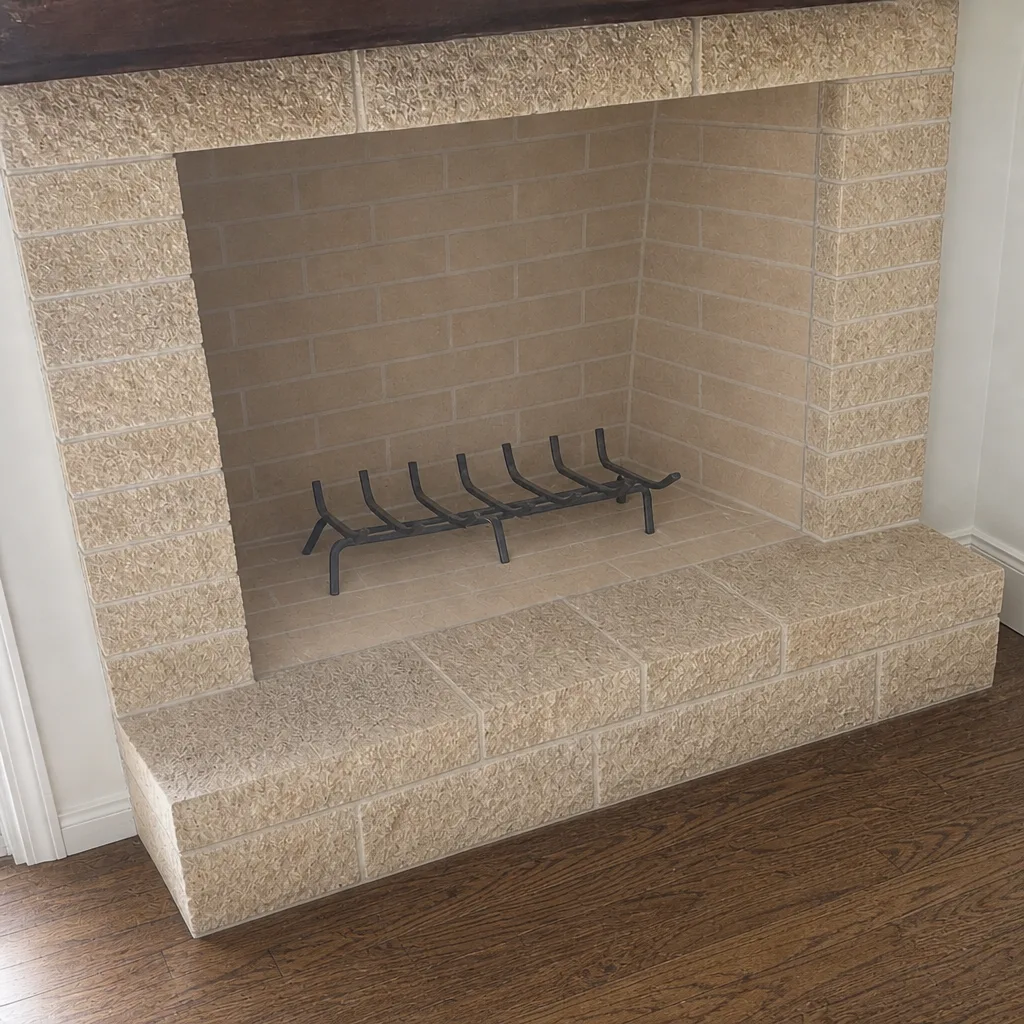
See the difference
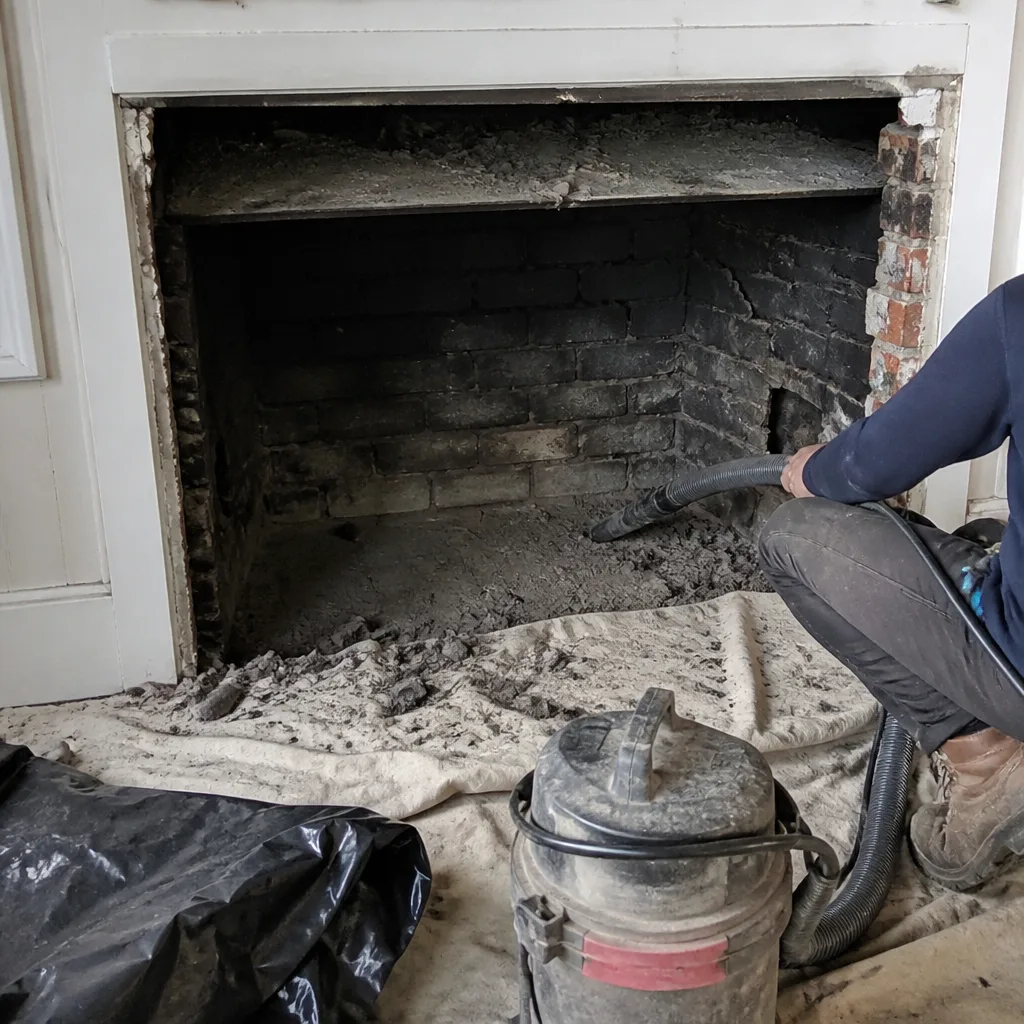 Before
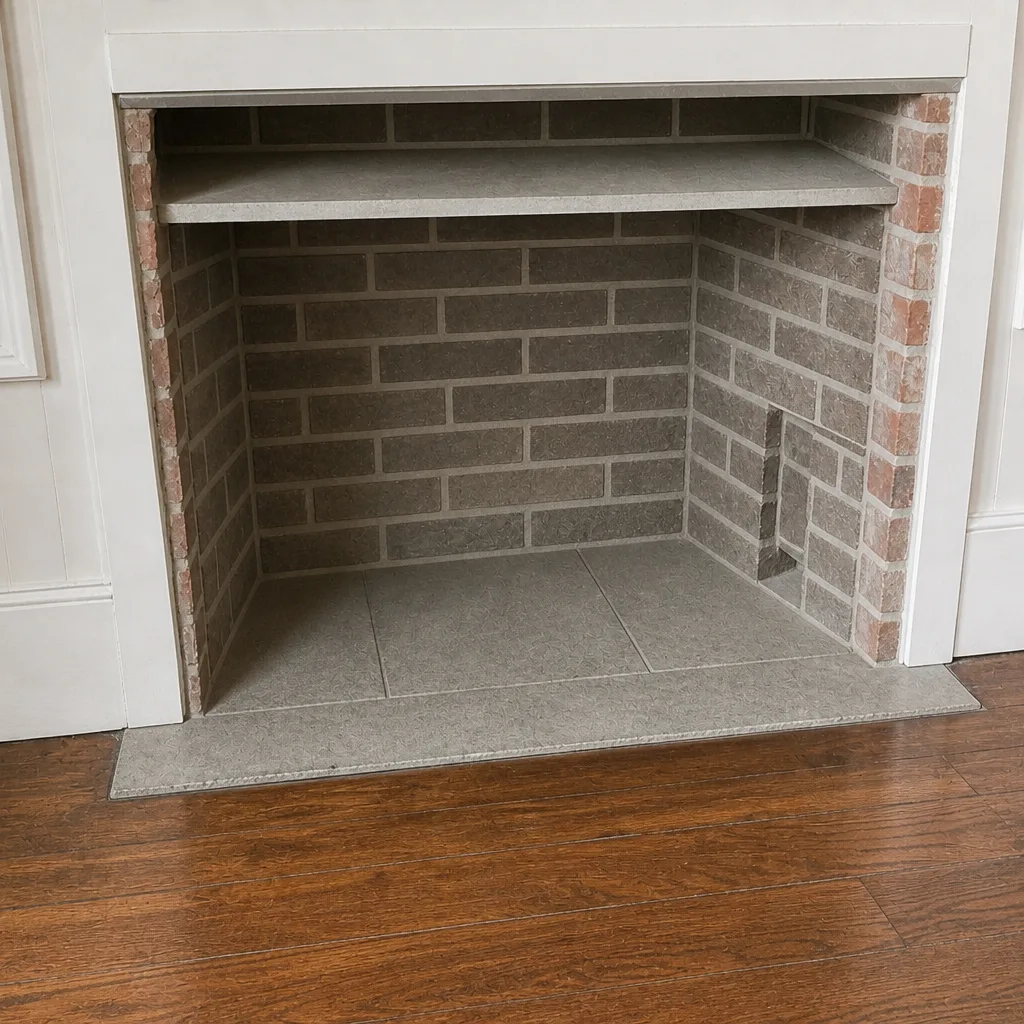 After
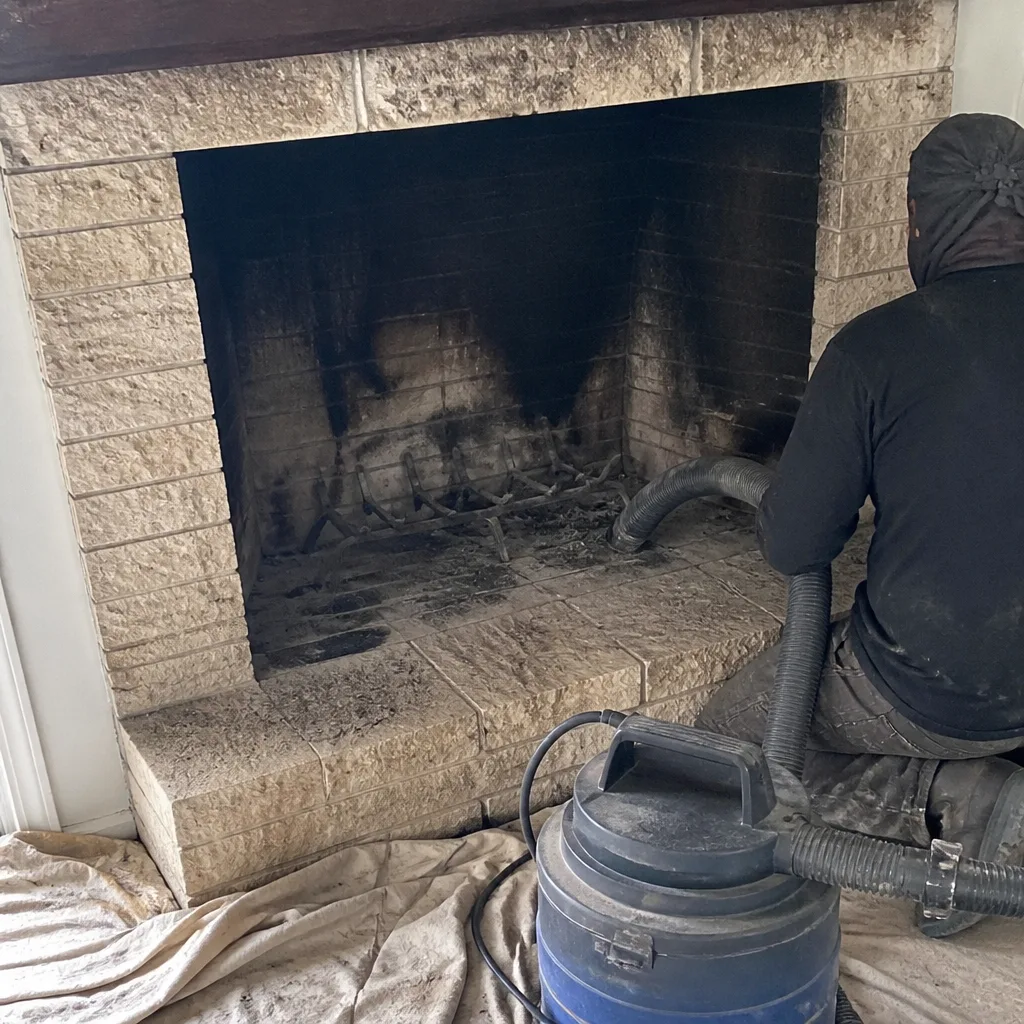 Before
 After
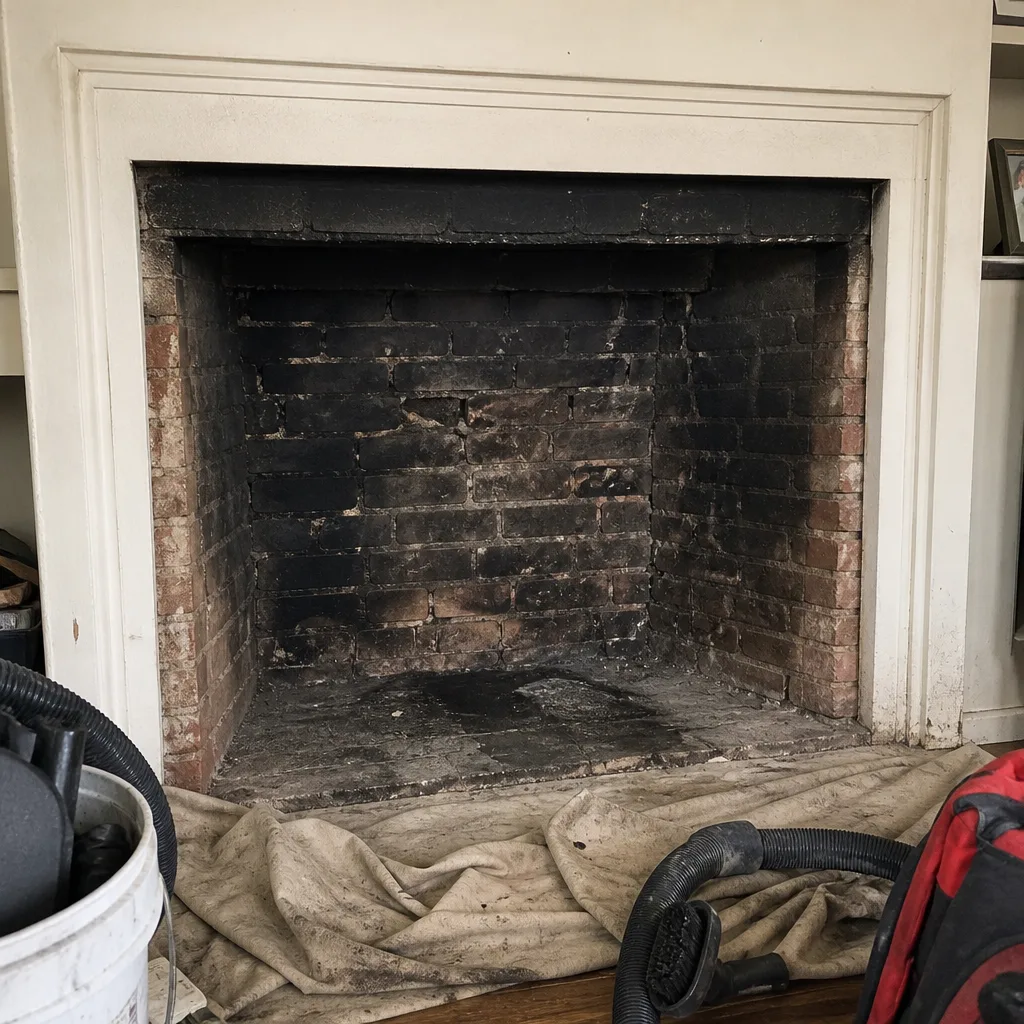 Before
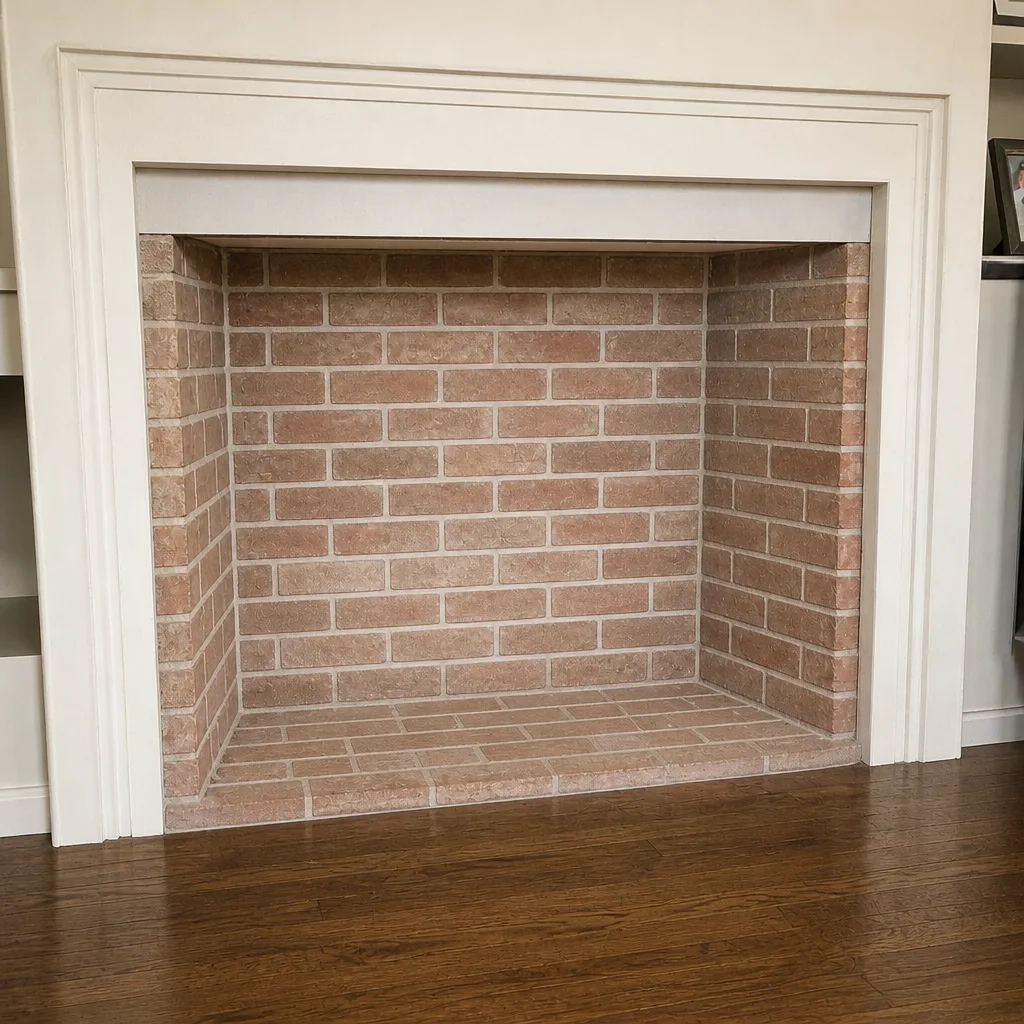 After
When to Call a Professional
Call for a professional inspection if you see or smell anything on the blockage list above, if a storm has damaged your chimney exterior, if your cap is missing or loose, if your flue has never been inspected, or if you’re not sure. The rule for a blocked flue is simple: when in doubt, don’t light the fire, and call. Don’t climb your roof to check the cap yourself – a fall from a wet roof after a storm is its own emergency. A trained technician with a camera and a ladder is the safe way to answer the question, and Metairie Chimney Sweep can do it. Our technicians have up to 9 years of experience, and every visit includes an assessment, not just a cleaning. If you’re in Metairie, call Metairie Chimney Sweep at (855) 630-9846 for a free estimate. We answer 24/7, and fast dispatch from 7am to 7pm, Sunday through Friday, gets someone out to look before the next fire.
Frequently Asked Questions
Yes, if you’ve confirmed the flue is clear and drafts properly. A wood-burning fireplace on a checked flue is one of the safest heat sources available during an outage. Confirm it first by checking the firebox for debris, opening the damper fully, looking up the flue for daylight, and testing the draft before you light. If anything looks or smells wrong, don’t use it and call for an inspection.
Not until you’ve checked it, and ideally not until a professional has inspected it if the storm brought high wind or heavy rain. A visual check from the firebox and a look at the chimney top from the ground can catch a loose cap or clear blockage, but a cracked tile or a loosened liner won’t show up that way. When in doubt, skip the fire and book an inspection.
A blocked flue typically smells like heavy, acrid soot in the room, or a smoky, stuffy backdraft when you open the damper. It often smells nothing like a normal cold fireplace. If you notice that smell, don’t light a fire – a partial blockage still lets a fire burn, and the exhaust that can’t vent is a carbon monoxide risk.
Yes, and on each level of the home. Carbon monoxide is the part of a chimney problem you can’t see or smell, and a blocked flue can send it into the room without any visible smoke. An alarm is the one device that turns an invisible risk into a warning, and it’s worth having even when the fireplace has been professionally inspected.
Before, if you can, and ideally before the first cool evening. In Metairie, storm season and burning season overlap, so a late-summer sweep gets the flue checked before the first real fire and gives you a baseline to compare against if a storm does damage later. If you missed that window, book a sweep as soon as you can and skip the fire until it’s done.
Yes. Wind-driven rain can crack a crown, high wind can loosen a cap or shift a flue tile, and debris can enter a compromised cap – none of which is visible from the living room. That’s exactly why a visual check from the firebox and the ground is a starting point, not a conclusion, and why camera inspection matters after a storm.
The Bottom Line
Chimney emergency preparedness in Metairie comes down to four things. Confirm the flue is clear and drafting before the first fire of the season, and again after any storm. Know the signs of a partial blockage – smoke spilling into the room, a sooty smell, no daylight at the top of the flue – and treat them as a no-fire signal. Have a carbon monoxide alarm on each level, keep your inspection and liner records where you can find them, and put the number for a company that can both find and fix a problem in your phone before the power goes out. A loose cap and a cracked crown are small fixes when they’re caught early. A blocked flue on a fire is not. If you’re not sure, don’t light it – call Metairie Chimney Sweep at (855) 630-9846 for a free estimate. That’s the whole point of this guide.
Written by the team at Metairie Chimney Sweep.