
Last updated November 14, 2026
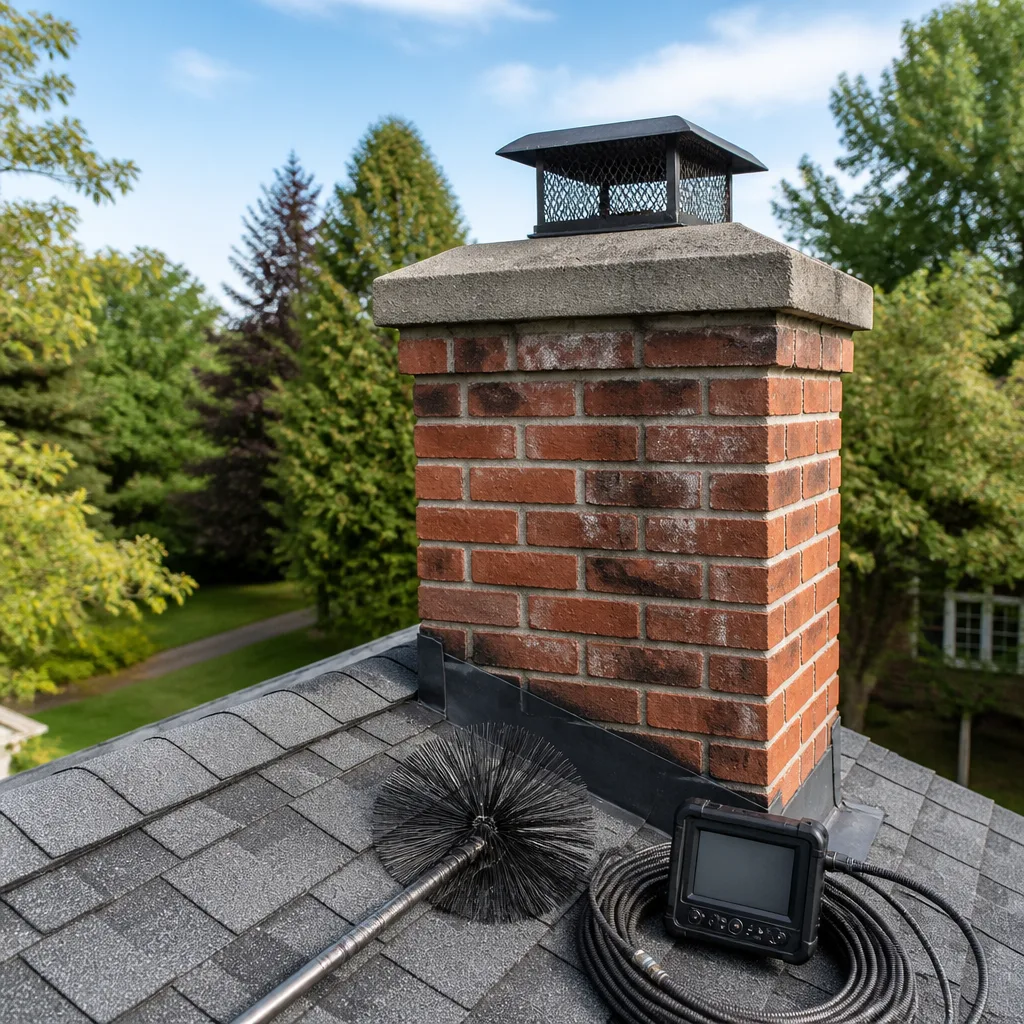 Sweep & inspection
 Caps & crowns
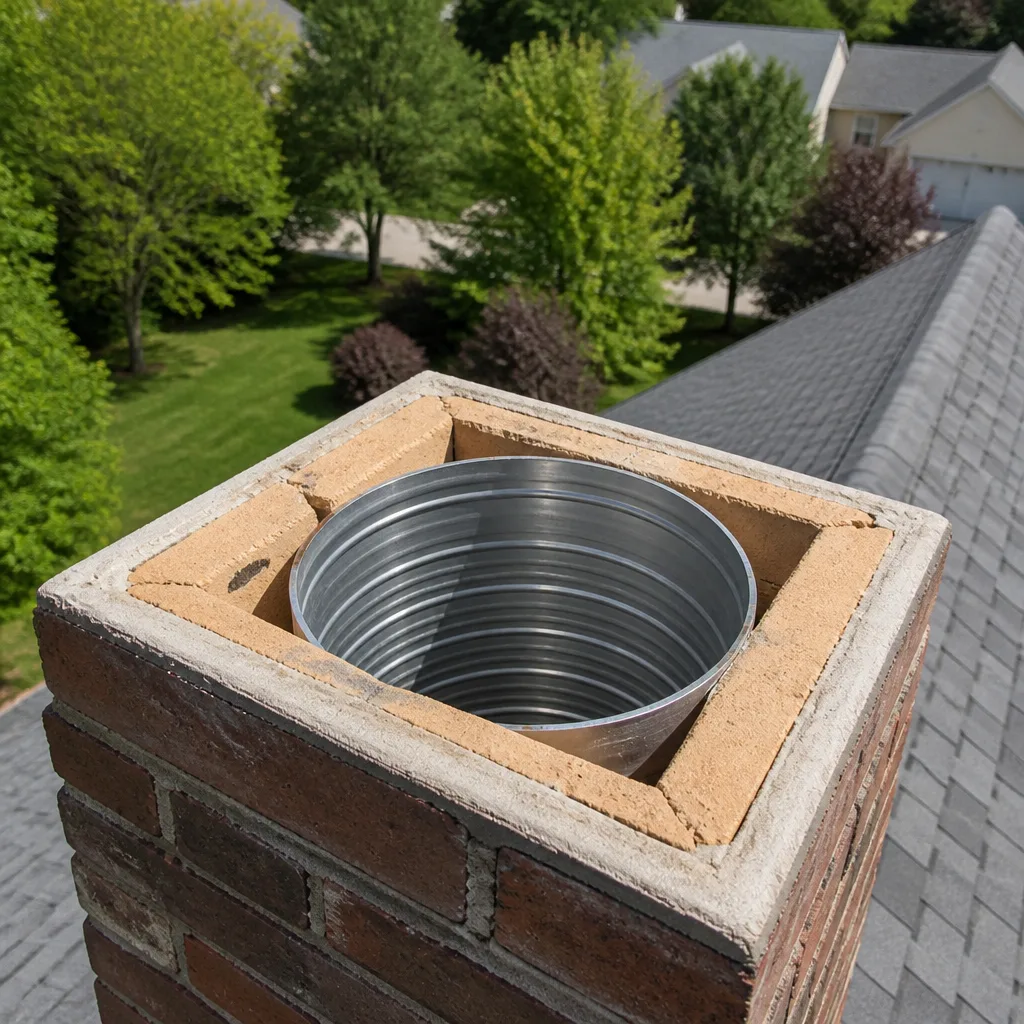 Flue relining
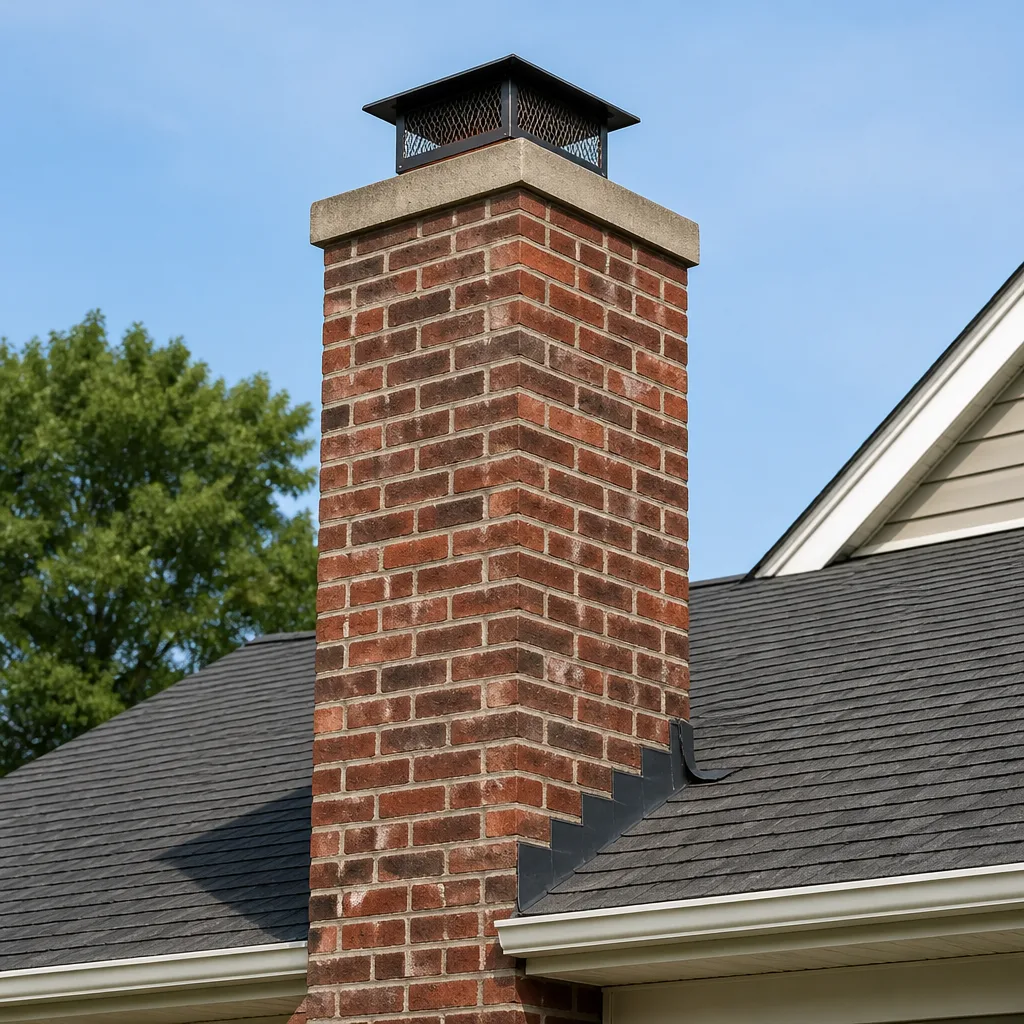 Masonry repair
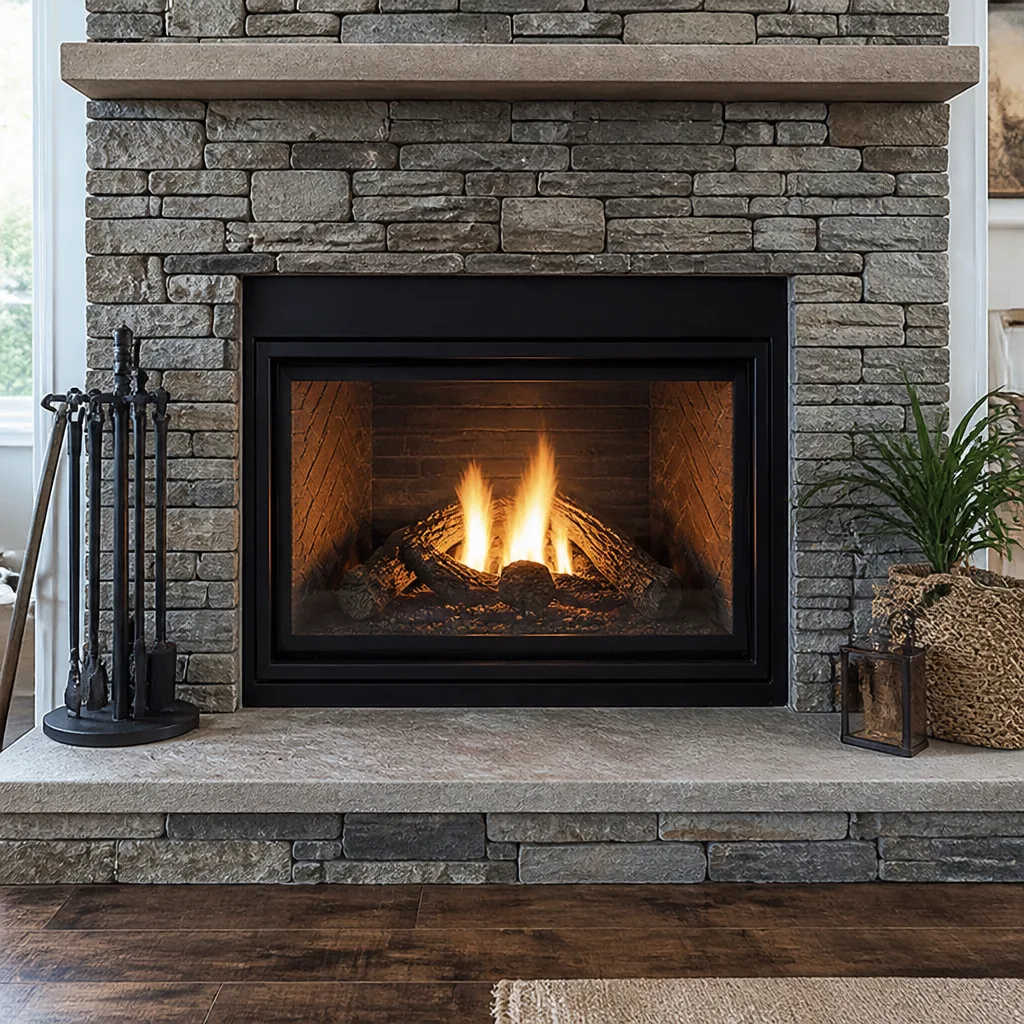 Gas fireplace service
Level 1 sweep and inspection to the NFPA 211 annual standard - flue, crown, cap, and flashing checked and photographed
Chimney sweep logs do not sweep chimneys. They loosen some creosote - which then falls where a brush and vacuum still have to collect it.
Choosing the Right Chimney Cleaning Brand: A Buyer’s Guide for Metairie
Two chimney companies can replace the same cap on the same afternoon for roughly the same price, and one job lasts four years while the other lasts fifteen. The difference is almost never the installer’s skill. It’s the grade of material that went on the roof. Most homeowners shopping for chimney service in Metairie compare quotes and read reviews, but almost nobody asks what brand of cap, sealant, or liner the company actually carries on the truck. That question separates a cleaning-only operation from a company set up to repair what it finds. This guide shows you how to judge material quality before you book, which brands signal professional-grade supply, and what to ask so your fix holds up in Gulf Coast humidity and wind.
Quick Answer
The right chimney company in Metairie is one that stocks and installs professional-grade materials (DuraFlex liners, HeatShield restoration coatings, Gelco, Olympia Chimney, Famco, and Copperfield components), can diagnose and repair on the same visit rather than subcontracting, and explains what it finds with photos or a camera inspection you can review. Material grade and repair capability matter more than price or reviews. Ask what they carry before you agree to any repair scope.
Styles & brands we work with
- Sweep & inspection
- Caps & crowns
- Flue relining
- Masonry repair
- Gas fireplace service
Table of Contents
- Why Chimney Material Grade Matters More Than Price in Metairie
- Contractor-Grade vs. Big-Box Chimney Parts: What Actually Lasts
- Questions to Ask Before You Agree to Any Repair Scope
- How to Tell If a Company Is Repair-Capable or Just Cleaning
- Why Liner Brand Matters for Gas vs. Wood-Burning Chimneys
- What a Full-Service Truck and Materials Inventory Looks Like
- Your Dryer Vent Is a Chimney Too
- A Pre-Hire Checklist for Metairie Homeowners
Why Chimney Material Grade Matters More Than Price in Metairie
Metairie sits in a humid subtropical climate with long summers, heavy rain, and enough wind to punish a poorly sealed chimney top. That combination wears out cheap materials faster than most homeowners expect. A standard hardware-store cap with thin galvanized steel and a friction-fit base will rust at the seams and work loose in a few seasons. A contractor-grade stainless cap with a properly anchored base and a tight screen can last many times longer. Same labor, wildly different lifespan. That’s the whole point of this guide: the money you spend on chimney work in Metairie is mostly spent on labor, so the parts need to outlast the labor by as much as possible.
Humidity is the quiet killer. It works on three fronts at once: it rusts steel caps and damper hardware, it degrades low-grade masonry sealants and crown caulk, and it feeds the moisture that lets a deteriorating flue tile spall and crack. Once a tile cracks, you have a path for heat and carbon monoxide to reach framing. A company that shows up with $6 tubes of caulk and a stamped-steel cap from a general retailer is not equipped to solve a problem that the local climate creates. A company that carries materials rated for the trade and understood by technicians who work in this climate every week is.
We’ve seen the cycle repeat in Metairie: a homeowner pays for a cap, it rusts or lifts within a few years, then pays again. Two cheap jobs cost more than one good one. Material quality is the variable nobody prices into the quote, yet it’s the one that decides whether you’re calling another company soon. If you’re comparing estimates, ask what brand and grade of cap, damper, and sealant each company plans to install. The answer tells you more than the total on the page.
The same logic extends to liners and firebox restoration. A stainless flexible liner from a recognized trade brand (DuraFlex is one we work with) is engineered for chimney service and backed by specifications. An off-brand liner of uncertain alloy is a gamble. When sweeping turns up a cracked tile or a deteriorating flue, the difference between a proper liner and a cheap substitute is measured in years of safe service. Material choice is a safety decision disguised as a shopping decision.
Contractor-Grade vs. Big-Box Chimney Parts: What Actually Lasts
The single most useful thing a Metairie homeowner can learn is how to tell trade-grade chimney components from retail substitutes. They look similar in a photo. They behave very differently on a roof after a few humid summers and a few storm-driven rain events. Here’s what separates them:
- Cap steel: Contractor-grade caps use heavier stainless or aluminized steel built to spec for chimney service. Big-box caps often use thin galvanized steel that rusts at fasteners and seams. In Metairie’s humidity, that rust appears quickly and shortens the cap’s life.
- Cap anchoring: Trade caps are anchored to the flue or crown with hardware meant for the job. Retail caps often rely on a friction fit or light screws that work loose in wind, letting rain in and letting the cap shift.
- Damper hardware: A top-sealing damper is a moving part in a wet environment. Contractor-grade units use corrosion-resistant components and seals that stay pliable. Cheap dampers seize, stick open, or leak air, which costs you efficiency and lets cold, damp air into the flue.
- Sealants and crown coatings: This is where retail substitutes fail fastest. General-purpose caulk and roofing sealant degrade under UV and thermal cycling. Materials built for chimney crowns and masonry stay flexible and bonded much longer.
- Firebox and flue restoration: Products like HeatShield are formulated specifically for resurfacing deteriorating firebox and flue tile. You can’t substitute a generic refractory patch and expect the same result. The product exists because the problem is specific.
We mention HeatShield and Gelco by name because these are the kinds of products a repair-capable chimney company carries, not because a brand label alone makes a job good. The point is the standard behind the label. A company that buys from a professional chimney supply account and installs trade-grade components has made a decision about how its work should hold up. That decision matters more in Metairie’s climate than in a dry, cold market, because here the enemy is moisture and heat cycling rather than freeze damage.
Ask directly: “What brand and grade of cap, sealant, and damper do you plan to install, and why?” A confident, specific answer is a good sign. A vague answer (“whatever’s on the truck”) is a warning. Same price, different materials: that single question shifts the outcome by years.
Questions to Ask Before You Agree to Any Repair Scope
Before you approve a repair estimate, get answers to the questions below. These are the questions that separate a company that will fix the problem from one that will simply get through the visit. Do your best to get specifics, not reassurances, on each one:
- “What brand and grade of materials will you install?” Look for trade brands and grade language, not generic descriptions. Copperfield caps, DuraFlex liners, Gelco and Famco components, and Olympia Chimney supply all point to a professional account rather than a retail run.
- “Will you do the repair yourself, or subcontract it?” If the company cleaning your chimney can’t do the repair, it will hand the work to someone you haven’t vetted. That gap between inspection and fix is where problems and surprises live.
- “Can I see what you found?” A camera inspection and photos of the flue, crown, and firebox let you verify the damage before you approve the scope. A technician who can’t show you the problem is asking you to trust a number.
- “Is this a repair or a replacement, and why?” Sometimes restoration (HeatShield, for example) solves a problem that would otherwise mean a full liner tear-out. Sometimes replacement is genuinely necessary. Ask which, and why, and have it explained so you understand it.
- “What’s the material grade on the sealant and crown coating?” Cheap sealant fails first in this climate. Ask what’s being used and whether it’s built for chimney masonry.
- “Will you walk me through what can safely wait?” Any honest company will tell you when a repair isn’t urgent. If everything is flagged as critical, ask why.
None of these questions require technical expertise. They require the company to be specific. A repair-capable company answers them quickly because it does this work with these materials routinely. A cleaning-only operation hedges. In Metairie, where humidity makes material grade decisive, you want the first kind of company on your roof.
You can read more about how a proper chimney sweep visit should go, including the inspection that should come with it, so you know what to expect before anyone arrives.
How to Tell If a Company Is Repair-Capable or Just Cleaning
Plenty of companies can sweep a flue. Fewer can diagnose a crown crack, install a top-sealing damper, resurface a firebox, or run a new flexible liner when the sweep reveals a structural deficiency. The distinction matters because a cleaning-only company’s only option is to refer you elsewhere, often to a third party you never hired and know nothing about. Here’s how to tell the two apart before you book:
- Does the company name repair as a service? A company that lists chimney sweeping, dryer vent cleaning, and chimney repair as distinct services can do all three. Sweep-only operations can’t.
- Can they name the materials they carry? Companies that stock and install DuraFlex liners, HeatShield coatings, Gelco and Famco parts, and Copperfield caps are set up for repair. That’s a supply decision, and it’s visible.
- Do they mention restoration, not just replacement? HeatShield application capability means a deteriorating flue can sometimes be restored in place instead of torn out and replaced. That’s the kind of option a repair-capable company can offer and a cleaning-only company can’t.
- Do they explain the inspection before the estimate? Repairs should follow a documented inspection, with evidence you can review. If the scope arrives without a clear “here’s what we found and here’s how we know,” ask for it.
- Do they work with your insurer when relevant? For larger repairs, a company that can work with your insurer saves you legwork. That’s a sign of a full-service operation.
The practical benefit is convenience and continuity. When the sweep turns up a problem, it gets fixed on the same visit with materials already on hand, by the same trained technicians who did the inspection. There’s no handoff, no unknown subcontractor, and no second scheduling round. For a homeowner in Metairie managing a humid climate that degrades cheap parts, that continuity is worth real money over the life of the chimney.
Learn how the full picture fits together on the Metairie Chimney Sweep page, where sweeping, venting, and repair are handled as one service.
Why Liner Brand Matters for Gas vs. Wood-Burning Chimneys
A liner is the chimney’s inner safety layer. It carries combustion gases up and out and keeps heat away from framing and masonry. When a liner is cracked, missing, or wrong for the appliance, the chimney is no longer doing its job. The brand and type of liner matter because gas and wood-burning appliances need different liners, and installing the wrong type defeats the purpose.
Wood-burning fireplaces and inserts produce higher sustained temperatures and corrosive creosote. They need a liner rated for solid fuel and properly insulated where required. Gas appliances run cooler and wetter, and their exhaust is acidic; they need a liner rated for that service. A liner rated for one job isn’t automatically right for the other. This isn’t a detail you want a company guessing at. The right liner for a Metairie gas insert is not necessarily the same as for a wood-burning fireplace, and the wrong choice can fail early or create a hazard.
This is where brand credibility signals something useful. DuraFlex is a flexible stainless liner system that requires trained installation; working with it means the company has been set up to install to a professional standard. Olympia Chimney supply points to a trade account, not a retail parts run. When a sweep reveals a structural deficiency in your flue, a company that carries the correct liner type for your appliance can replace it correctly on the same visit. A company that doesn’t carry liners will refer you out, and you’ll be hoping the third party installs the right product.
Ask these questions specifically:
- Is the liner rated for solid fuel or for gas, and does that match my appliance?
- What brand and alloy is the liner, and is it installed to the manufacturer’s spec?
- Will the liner be insulated if my setup requires it?
- Can restoration (such as a HeatShield coating) solve the problem, or is replacement the only correct option?
- What evidence will you show me that the old liner was the problem and the new one is correct?
For a homeowner in Metairie, where humidity and heat already stress chimney components, getting the liner right the first time avoids a second teardown. The brand and type matter because they determine lifespan and safety, not because a label looks impressive.
What a Full-Service Truck and Materials Inventory Looks Like
The truck that arrives in your driveway tells you a lot about what kind of company you hired. A full-service chimney operation carries materials for diagnosis and repair, not just brushes and a shop vac. When you see a range of trade-grade parts, it means the company planned for problems before they arrived.
A repair-capable setup typically includes:
- Liner systems: Flexible stainless liner stock (like DuraFlex) in common diameters, so a deficiency found during the sweep can be addressed.
- Restoration coatings: HeatShield and similar products for resurfacing fireboxes and flue tile without full replacement.
- Caps and covers: Copperfield and Gelco caps and covers in sizes that fit most Metairie homes.
- Dampers and venting components: Top-sealing dampers and trade-grade venting parts, such as Famco components, built for the job.
- Sealants and crown materials: Chimney-specific sealants and crown repair materials that hold up in humid conditions.
- Inspection equipment: A camera and lights to document what’s inside the flue before recommending anything.
A cleaning-only operation shows up with a brush, rods, a vacuum, and a clipboard. That’s not a criticism of sweeping; it’s an honest description of scope. If that’s all a company does, that’s what it should carry. The mismatch comes when a company’s marketing promises repairs it can’t perform with its own materials. Ask what they carry. If the answer matches the work on your roof, you’ve found a company set up for the job.
The same upgrade in scope extends to venting. When a company handles chimney sweeping, dryer vent cleaning, and repair with trade-grade materials, you’re working with a home fire-safety specialist rather than a fireplace vendor. That’s a wider scope of protection and fewer separate calls. You can read more about the Metairie service area to see the full range.
Your Dryer Vent Is a Chimney Too
A dryer vent does the same basic job as a chimney: it carries heat, moisture, and combustion byproducts out of the house. When it clogs with lint, it stops doing that job, and the heat and flammable lint build up in a confined space. The risk is fire. This is why dryer vent cleaning belongs with chimney care rather than in a separate bucket. Both are venting systems, both are fire-safety systems, and both need professional attention when something’s wrong.
Homeowners in Metairie have a specific reason to pay attention. Humid conditions don’t cause lint buildup, but they can make a slow, damp dryer feel normal and mask a clog. Warning signs to watch for:
- Clothes take longer than usual to dry, or a cycle needs a second run.
- The dryer or the laundry area feels hot to the touch during a cycle.
- There’s a burning or musty smell near the dryer.
- The exterior vent flap stays closed or barely moves when the dryer runs.
- Lint accumulates around the vent outlet or behind the dryer more than it used to.
Any of these signals mean the vent line should be checked. A company that handles dryer vent cleaning alongside chimney work can check the whole vent path and tell you whether the line is clear or obstructed. If your dryer is running hot or slow in Metairie, it’s worth having the vent inspected before assuming the appliance is at fault. The vent is often the cheaper fix, and it’s the one with the fire-safety stakes.
Treat a clogged dryer vent with the same seriousness as a clogged flue. Both can cause a fire, and both are preventable with a professional cleaning and inspection. When you book a chimney sweep, it’s a natural time to add the dryer vent, so one visit covers both venting systems.
A Pre-Hire Checklist for Metairie Homeowners
Here’s a short, numbered checklist to run through before you hire a chimney company. Hand it to yourself as a pop quiz: if the company can answer every item, you’re in good hands.
- Confirm the services: Does the company offer sweeping, dryer vent cleaning, and repairs, or only sweeping?
- Ask about materials: What brands and grades of caps, liners, sealants, and dampers do they carry and install? Look for trade names, not generics.
- Verify repair capability: Will they do the repair themselves, or refer it out? If they refer it out, who does the work, and can you vet them?
- Ask for inspection evidence: Will they show you photos or a camera inspection before recommending repairs?
- Check the insurance and licensing: Is the company licensed and insured for the work? Ask for confirmation if it isn’t stated.
- Ask what can wait: Which repairs are urgent and which can safely be scheduled later?
- Get the estimate in writing: The written estimate should set the price, list the scope and materials, and be clear about what’s included.
- Book the dryer vent too: Add dryer vent cleaning so both venting systems are checked in one visit.
Run through this list with every company you consider. The ones that answer every item clearly are the ones set up to do the work, not just talk about it. The companies that stumble on materials and repair capability are telling you something useful before you spend a dollar.
Common Mistakes to Avoid
- Comparing only the quoted price. Two quotes for the same cap can differ by years of lifespan because of material grade. Ask what’s being installed, not just what it costs.
- Assuming a sweep-only company can repair. If the company’s only service is sweeping, it will hand repairs to a third party you didn’t vet. Confirm repair capability before you book.
- Skipping the liner type question for gas inserts. A liner that’s right for wood may not be right for gas. In Metairie’s humid, acidic exhaust environment, the wrong liner can fail early. Ask which liner type is being installed and why.
- Accepting a hardware-store cap or generic sealant. Cheap steel rusts fast in Gulf humidity, and general-purpose sealant fails on chimney masonry. Trade-grade materials are the whole point.
- Leaving a slow dryer unchecked. A dryer running hot or slow is a warning sign of a clogged vent, which is a fire risk. Add dryer vent cleaning to your next visit.
- Approving repairs without seeing the evidence. Ask for photos or a camera inspection of the flue and crown before you agree to a scope. If you can’t see the problem, you can’t judge the fix.
- Skipping the written estimate. The written estimate sets the final price. Get the scope and materials in writing before work begins.
See the difference
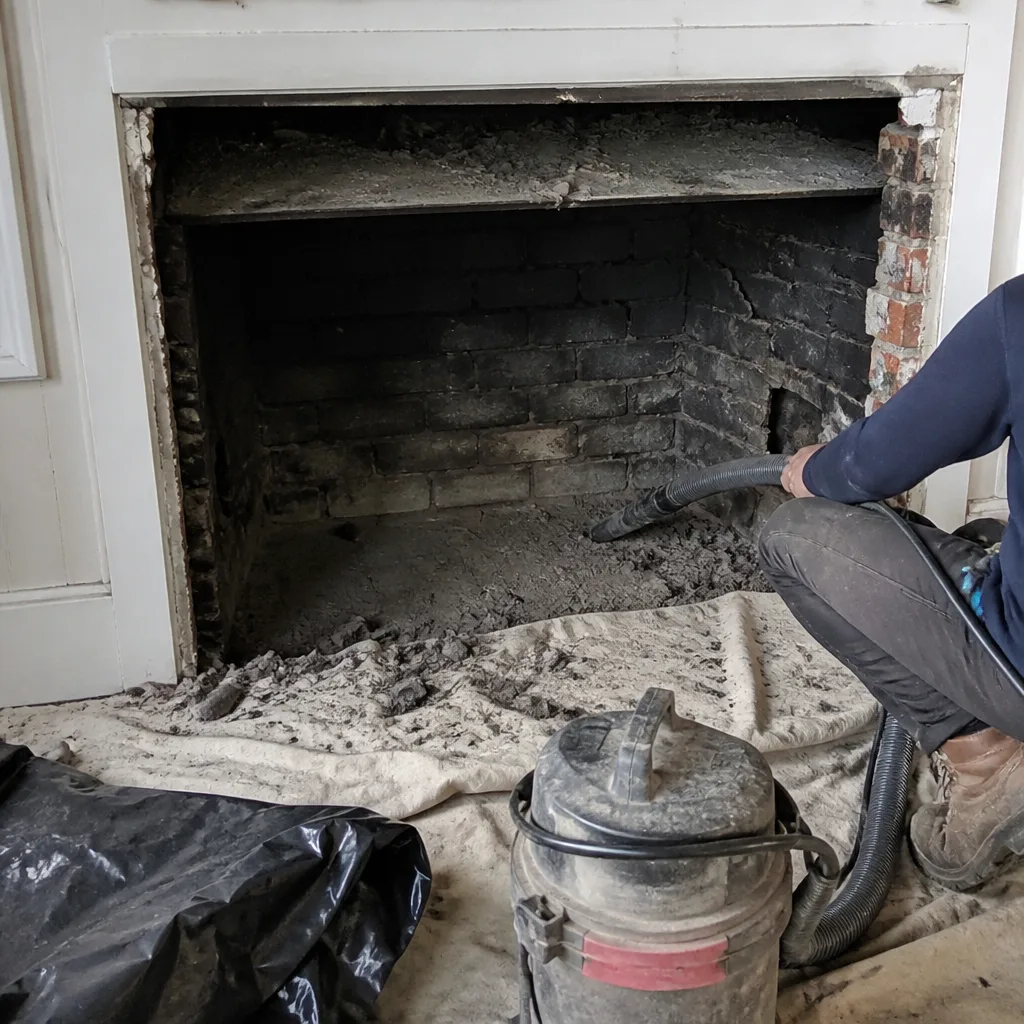 Before
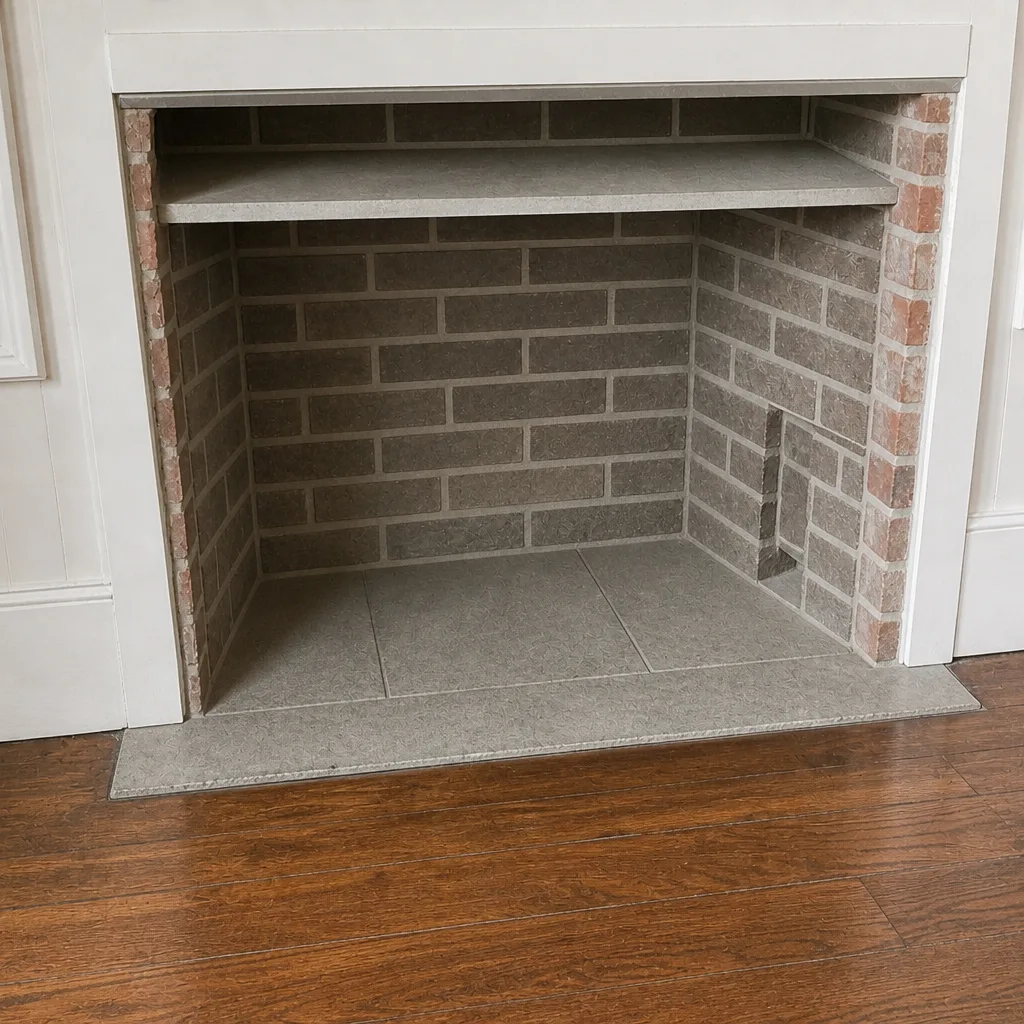 After
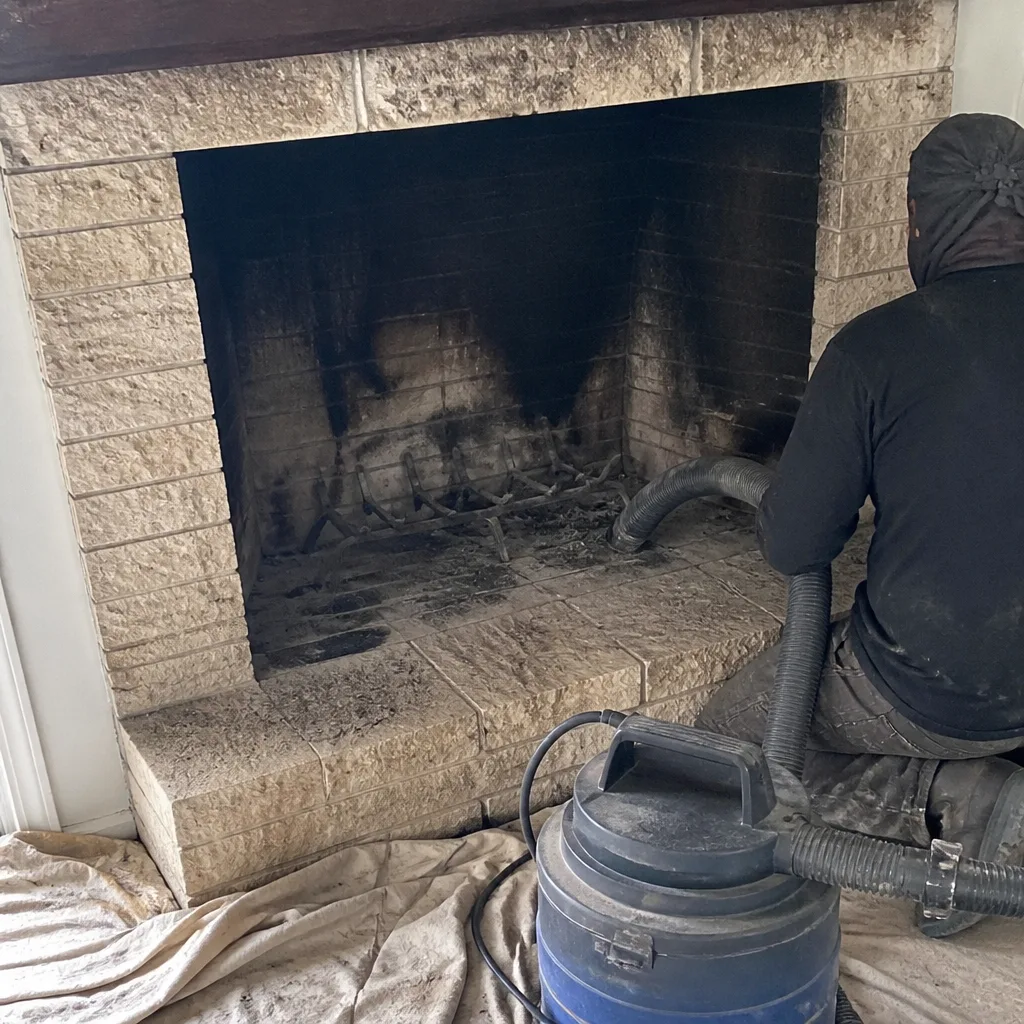 Before
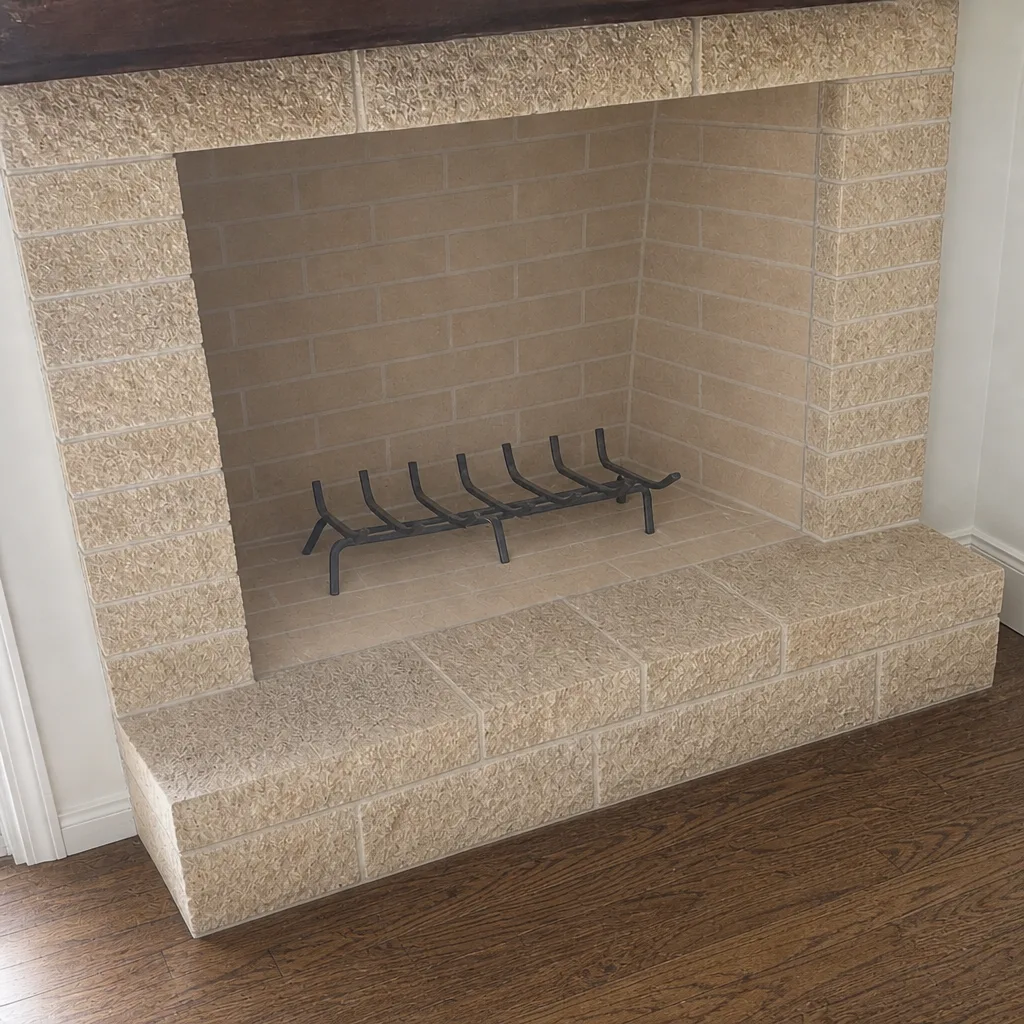 After
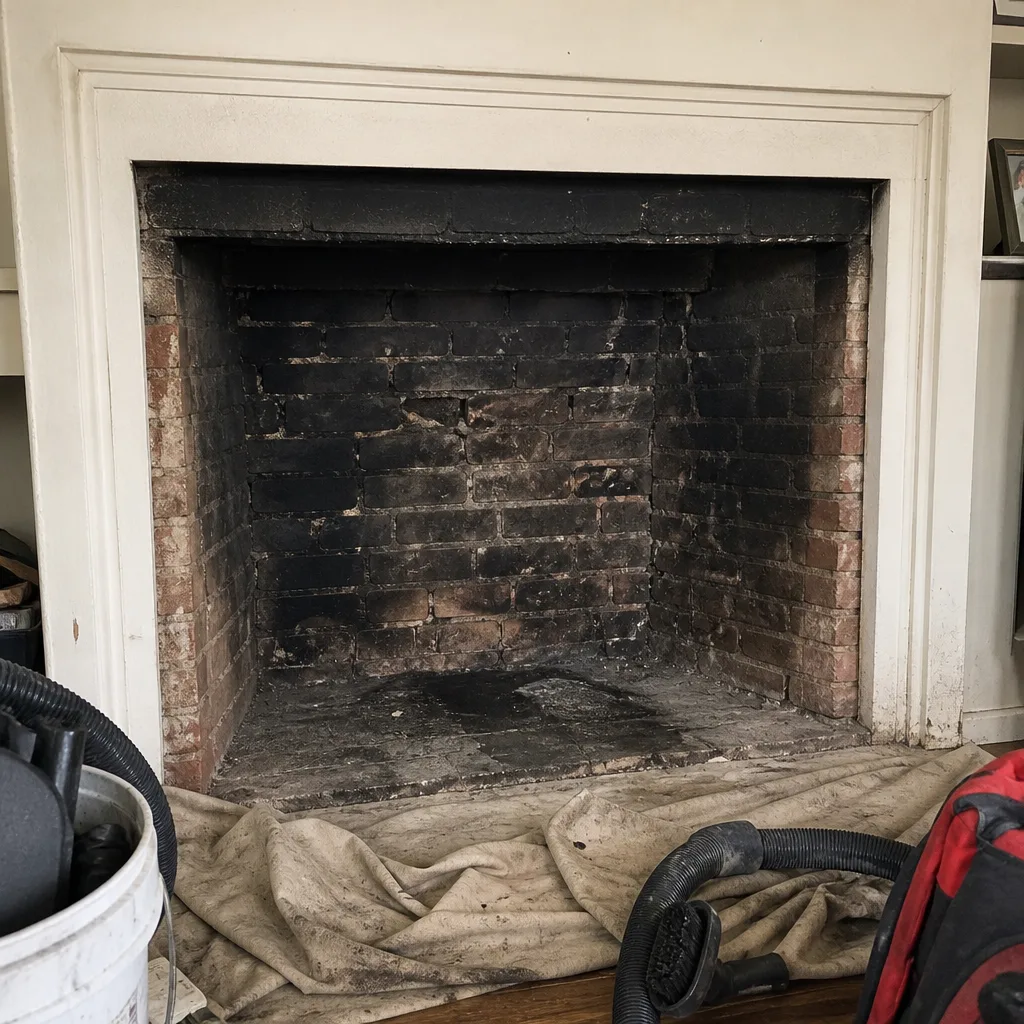 Before
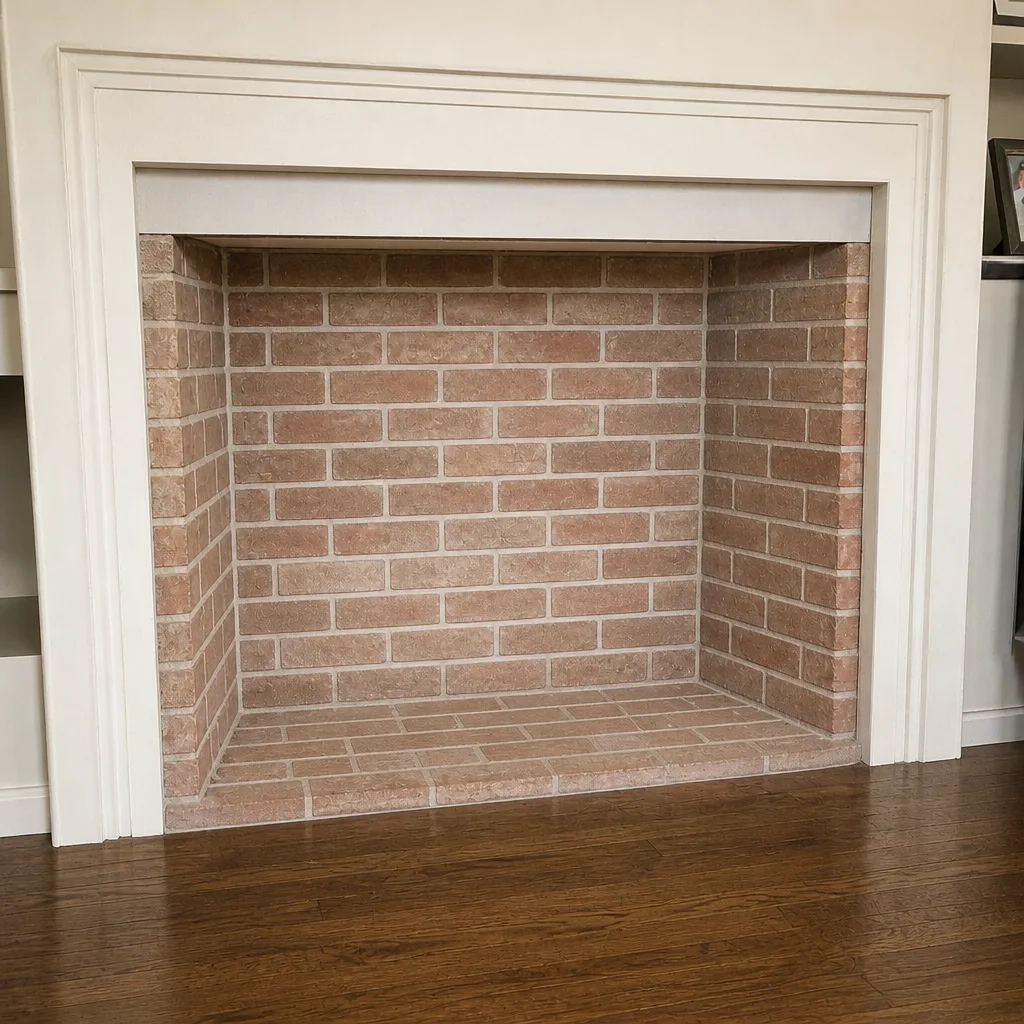 After
When to Call a Professional
Call a professional chimney company when you can’t safely assess the issue yourself, or when the work involves liners, firebox restoration, or a roof-level repair. The inside of a flue and the top of a chimney are exactly the places where a wrong move can hurt you or void a repair. High-tension components at the top, cracked flue tile, a leaning crown, or a liner of unknown condition all belong in the hands of a trained technician who can inspect and document. If your fireplace or insert hasn’t been inspected, or your dryer runs slow or hot, book a visit rather than wait for a problem to announce itself. Metairie’s humidity degrades cheap materials fast, so a documented inspection tells you what’s holding and what isn’t, and what can safely wait. Metairie Chimney Sweep offers free estimates in Metairie. Call (855) 630-9846. We answer 24/7. Fast dispatch from 7am to 7pm, Sunday through Friday.
Frequently Asked Questions
Look for a company that offers sweeping, dryer vent cleaning, and repair, carries trade-grade materials (DuraFlex, HeatShield, Gelco, Olympia Chimney, Famco, Copperfield), shows you evidence from the inspection, and gives you a written estimate. Material grade and repair capability matter more than the quoted price, especially in this climate. Call (855) 630-9846 for an exact estimate; estimates are free.
DuraFlex flexible liner systems, HeatShield restoration coatings, Gelco, Olympia Chimney, Famco, and Copperfield components are recognized trade-brand materials used by repair-capable chimney companies. A company that carries these is set up for professional work, not just cleaning. Ask what brand and grade they plan to install on your job. Call (855) 630-9846 for an exact quote; estimates are free.
Ask whether they name repair as a service, whether they carry their own repair materials, and whether they do the work themselves or subcontract it. A repair-capable company names the products it installs and does the work with its own technicians. A cleaning-only company will refer the repair out. Call (855) 630-9846 for an exact quote; estimates are free.
Wood-burning appliances need a liner rated for solid fuel and higher temperatures, while gas appliances produce cooler, wetter, more acidic exhaust and need a liner rated for that service. Installing the wrong type can cause early failure or create a hazard. Ask which liner type matches your appliance before it’s installed. Call (855) 630-9846 for an exact quote; estimates are free.
Liner systems, restoration coatings, caps and covers, dampers, venting components, chimney-specific sealants, and inspection cameras. A cleaning-only operation carries brushes, rods, and a vacuum. The materials inventory is the visible sign of repair capability. Call (855) 630-9846 for an exact quote; estimates are free.
Yes. A dryer vent is a venting system like a chimney, and a clogged one is a fire risk. Homeowners in Metairie whose dryers run hot or slow should have the vent checked. Booking it with a sweep covers both venting systems in one visit. Call (855) 630-9846 for an exact quote; estimates are free.
The Bottom Line
The chimney company you hire is really a materials decision. Two quotes can look the same and produce fixes that last very different lengths of time, because the variable that matters most is the grade of the cap, damper, sealant, and liner that goes on the roof. In Metairie’s humid, windy climate, cheap materials fail early and mean a second job later. Ask what brand and grade a company will install, whether it’s set up to repair or just clean, and whether it will show you what it found before recommending work. A company that answers those questions with specifics is set up to protect the chimney, the dryer vent, and the home. The rest is details.
Written by the team at Metairie Chimney Sweep.