
Last updated November 14, 2026
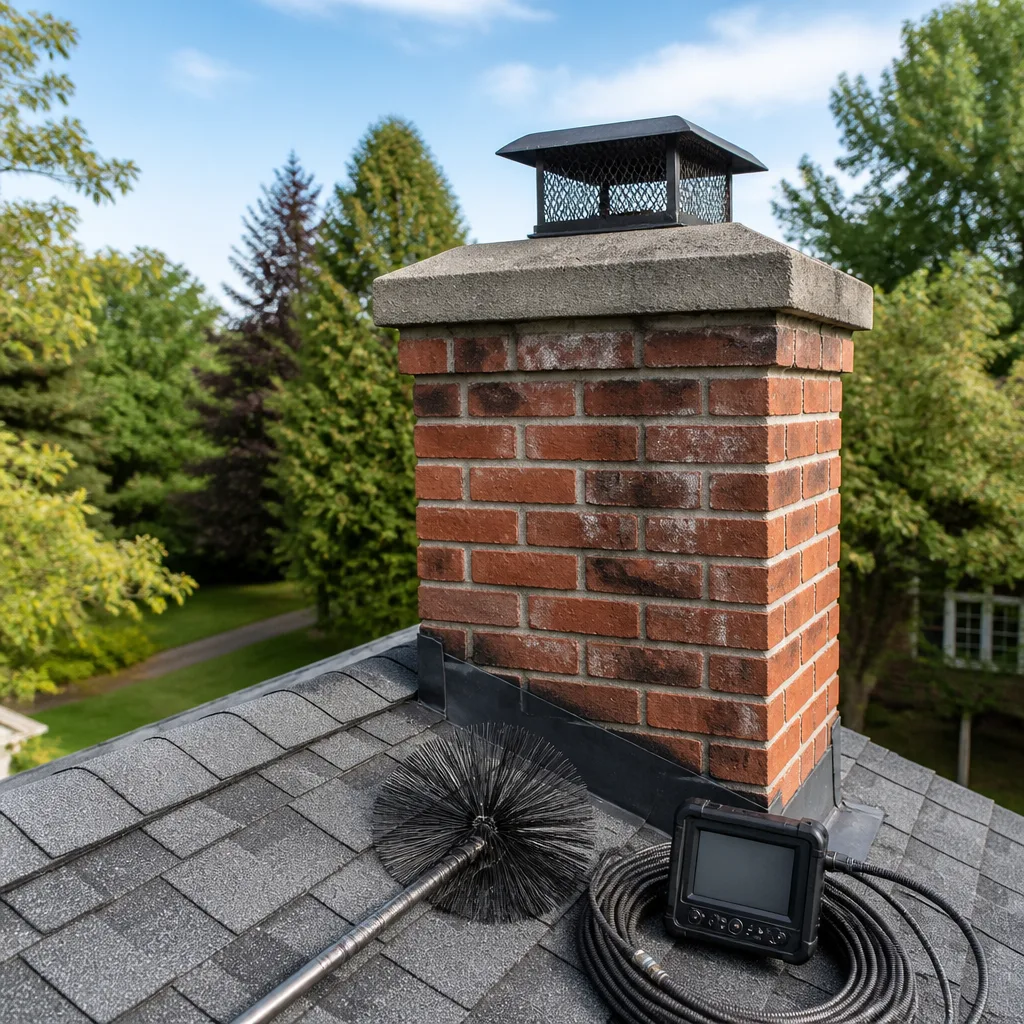 Sweep & inspection
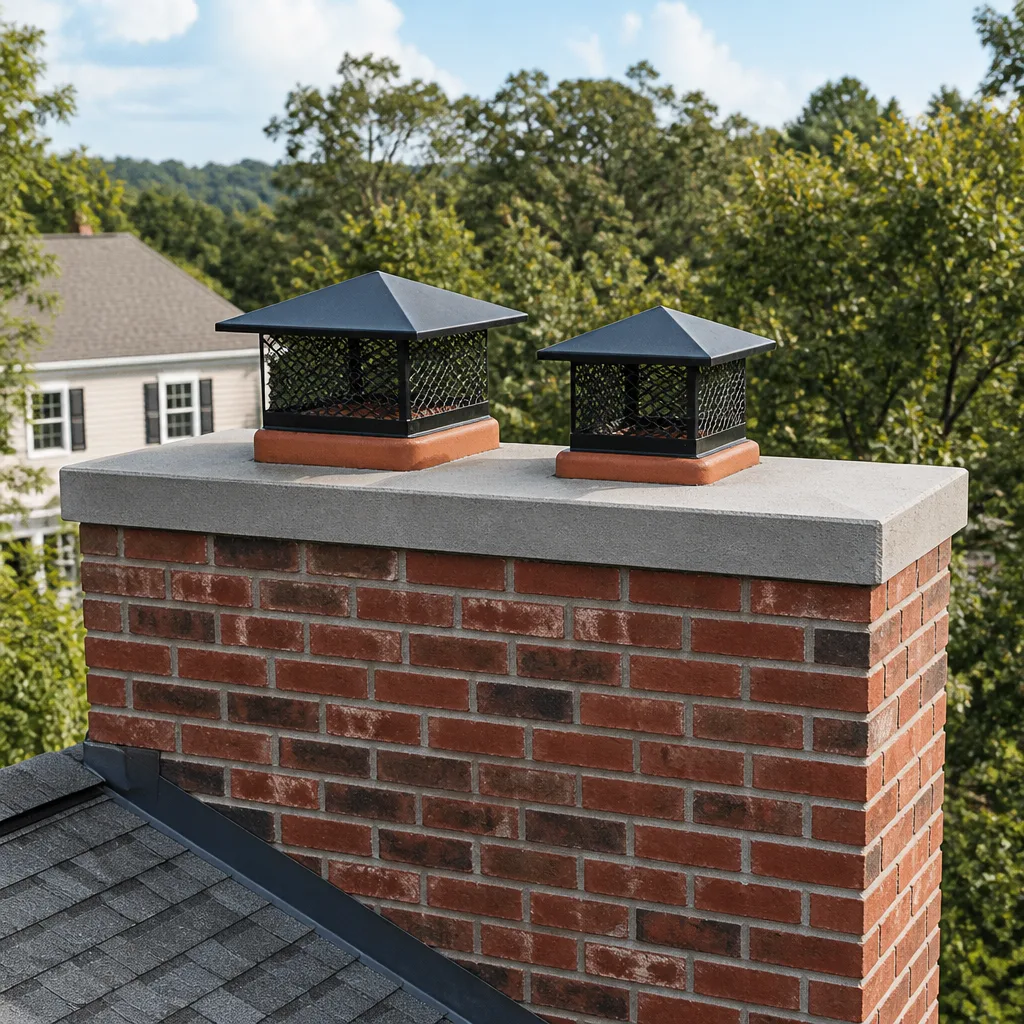 Caps & crowns
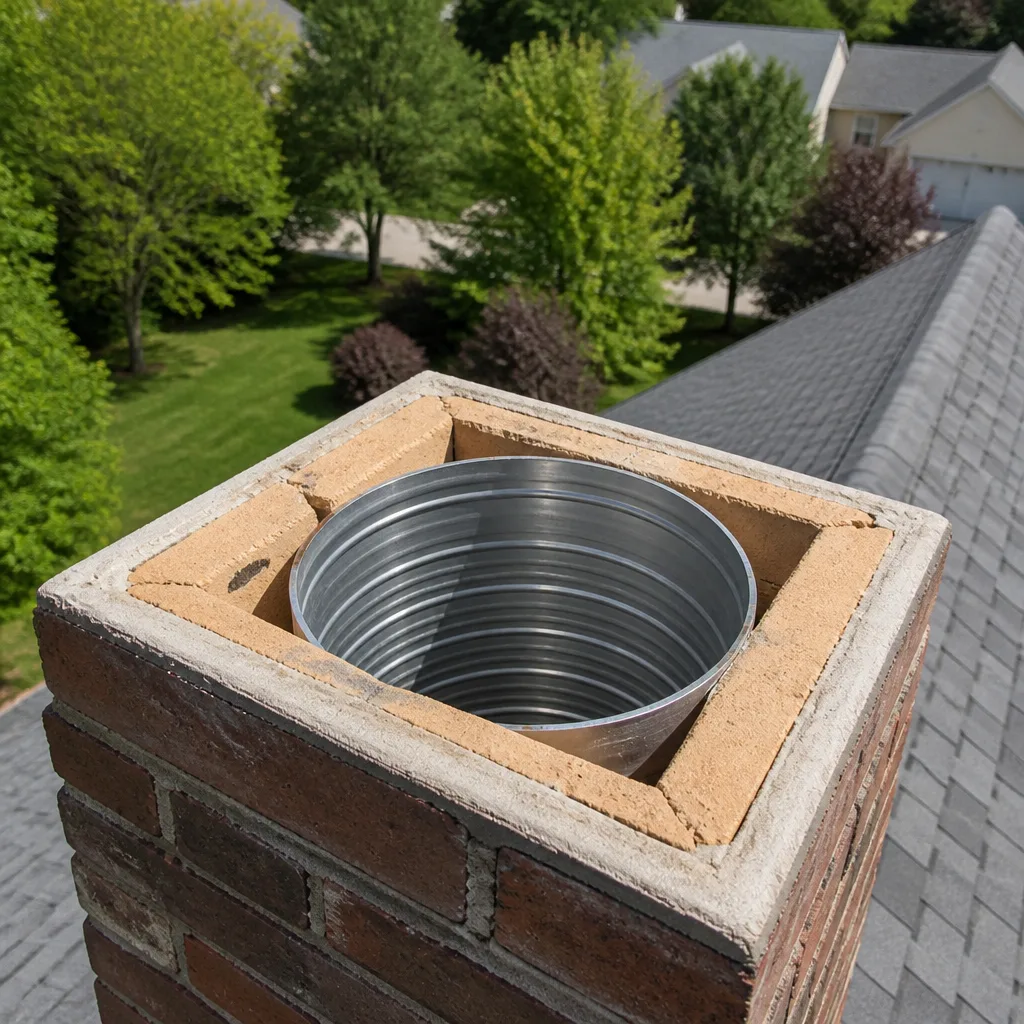 Flue relining
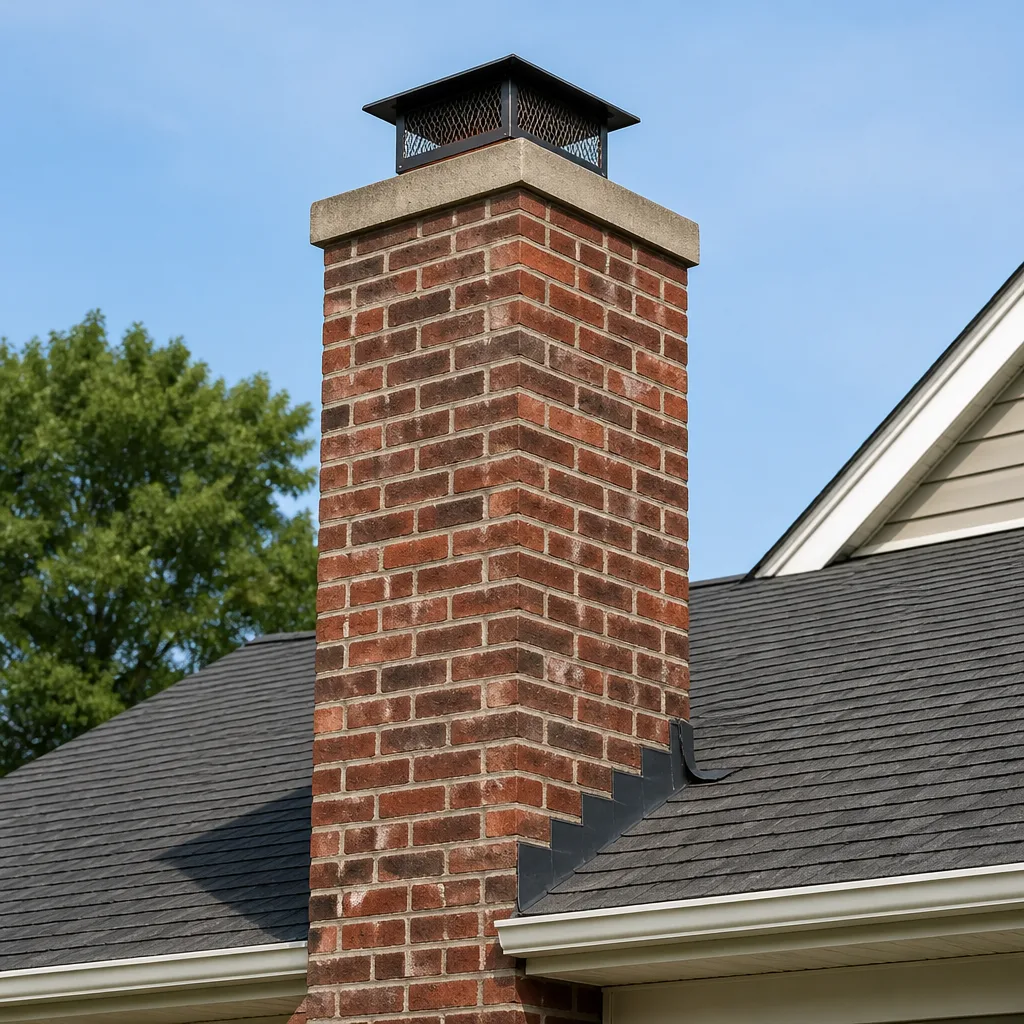 Masonry repair
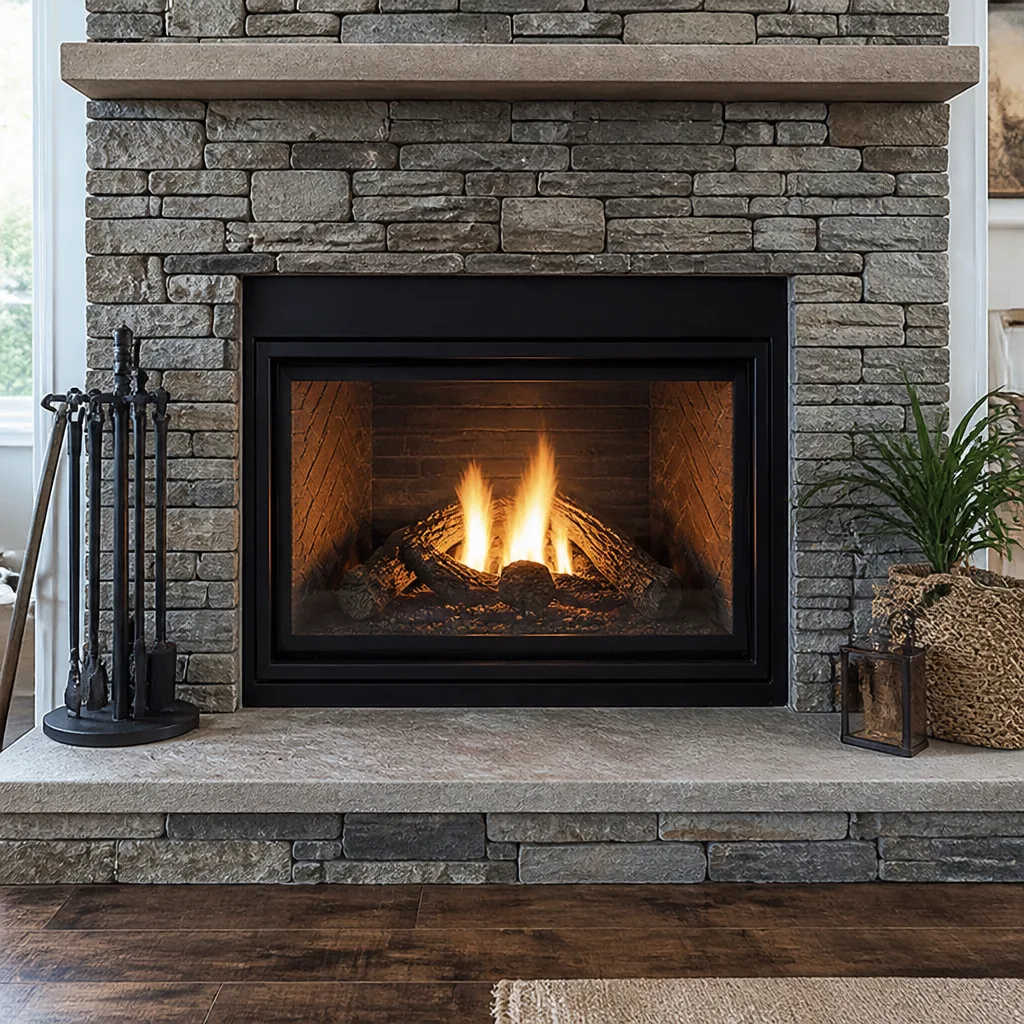 Gas fireplace service
Level 1 sweep and inspection to the NFPA 211 annual standard - flue, crown, cap, and flashing checked and photographed
Chimney sweep logs do not sweep chimneys. They loosen some creosote - which then falls where a brush and vacuum still have to collect it.
Chimney Sweep Maintenance Checklist for Metairie Homeowners
Most chimney damage we diagnose in Metairie didn’t start in the fall. It started during the nine months the fireplace sat closed and humid, while the crown quietly cracked, moisture worked its way into the mortar, and a bird built a nest on top of the flue. By the time the first cool front arrives and someone reaches for a match, the problem has had all summer to settle in. This guide is a month-by-month checklist built around that off-season reality, with the steps you can check yourself, the ones that need a technician, and the ones that are absolute blockers before you burn again.
Quick Answer
A Metairie chimney needs three things every year: a professional sweep and inspection before heating season, a visual check after any tropical storm or hurricane, and quarterly homeowner checks of the firebox, damper, cap, and crown. The off-season months matter more than most people think, because tropical moisture and nesting wildlife do their damage while the fireplace is idle, not while it’s in use.
Styles & brands we work with
- Sweep & inspection
- Caps & crowns
- Flue relining
- Masonry repair
- Gas fireplace service
Table of Contents
- Why the Off-Season Is the Real Maintenance Season
- The Month-by-Month Checklist for Metairie
- What You Can Check Yourself (No Tools Required)
- What Requires a Technician
- Post-Storm and Post-Hurricane Inspection Items
- Your Dryer Vent Belongs on the Same Checklist
- How to Document Findings Year Over Year
- Common Mistakes to Avoid
Why the Off-Season Is the Real Maintenance Season
In most of the country, chimney care is framed around winter damage. Here it’s the opposite. Our burn season is short and mild, and the months that actually stress a chimney are the hot, wet ones. Louisiana’s summer air is heavy with humidity, and a masonry chimney absorbs some of that moisture through its brick and mortar. The sun bakes it back out. Repeat that cycle for a few months and small cracks open, especially at the crown and along the mortar joints that face south and west. Water gets in, and once water is in, it stays in longer than people expect.
The other off-season problem is wildlife. A chimney with an open or damaged cap is a sheltered, warm, dry spot that birds and squirrels find quickly. A nest sitting on top of the flue is a fire hazard and a blockage, and it does not announce itself. You find it in October when the smoke won’t draw and the firebox fills with fumes. That’s an entire summer of preventable trouble compressed into a single bad evening.
This is why we tell Metairie homeowners to think of chimney care as a year-round habit rather than a fall ritual. The sweep still belongs before the first burn. But the checks that prevent the expensive problems happen between burns, not right before them. If you take nothing else from this guide, take that: the season you don’t use the fireplace is the season it needs the most attention.
What “Maintenance” Actually Covers
People tend to use “chimney maintenance” to mean sweeping. It’s broader than that. A full maintenance pass covers five distinct systems:
- The flue and liner – creosote buildup, cracked or spalling tile, gaps at the joints.
- The firebox – crumbling mortar, loose brick, deteriorating refractory panels.
- The crown and cap – the concrete top of the chimney and the screen or cap over the flue.
- The damper and smoke chamber – whether the damper seals, whether the chamber is smooth enough to move smoke cleanly.
- The exterior – brick, flashing at the roofline, and anything growing, nesting, or sitting on top.
Each of those can fail independently. A chimney with a spotless flue and a cracked crown is still a chimney with a water problem. This is why a real inspection looks at all five, not just the inside of the pipe.
The Month-by-Month Checklist for Metairie
Generic checklists hand you four seasons and call it done. Metairie doesn’t have four useful seasons. It has a short burn season, a long humid one, and a hurricane season that overlaps both. Here’s how the year actually breaks down for a home with a wood fireplace or gas insert.
January through February: Burn Season
- Check the firebox before each fire for loose brick, crumbling mortar, or a damper that won’t open fully.
- Keep a glass or metal screen in front of the fire at all times.
- Listen for a hollow, muffled draft. Poor draw mid-season usually means blockage or heavy creosote.
- Watch the top of the chimney from the yard once a month for visible smoke from the right flue, or any smoke at all if you’re not burning.
March through May: End-of-Season Close-Out
- Have the chimney swept at the end of the burn season, not the start. Creosote left sitting through a humid summer pulls moisture into the flue.
- Check the cap and spark screen after the last fire. Winter wind loosens fasteners.
- Look at the crown for new cracks from the ground.
- Dry out the firebox, clean out ash, and make sure the damper is closed against humidity and insects.
June through September: Hurricane Season and Off-Season Repair
- Before storm season, confirm the cap is fastened and the flue is covered.
- After any named storm or strong tropical system, inspect from the ground for shifted flashing, missing cap, or blown-off components.
- Check the firebox and flue for nesting activity. This is the peak window for birds and squirrels.
- Schedule any liner or crown repair now. Repairs done in the off-season are done before you need the fireplace, not during the week you want it.
October through December: Pre-Season Readiness
- Book your annual professional sweep and inspection before the first cool front.
- Test the damper by hand. It should open and close smoothly and seal when closed.
- Check the smoke detector and carbon monoxide detector on every level.
- Confirm the chimney cap is intact and the flue is clear before the first fire.
Notice that the professional sweep lands twice in this calendar, in spring and again in fall. That’s intentional. One closes out the season and one clears the summer. For most homes, the fall sweep is the essential one. The spring sweep is what protects the flue from the humidity in between. A chimney sweep done in the right season is worth two done in a panic.
What You Can Check Yourself (No Tools Required)
You don’t need equipment to catch most problems early. You need to know where to look and what “wrong” looks like. Do these checks with your eyes, a flashlight, and a few minutes on a ladder-free walk around the house. If you don’t want to get on the roof, that’s fine – the most important checks are done from the ground and inside the firebox.
From the Ground
- The cap. Does the top of your chimney have a cap or spark screen over the flue? If the flue is open to the sky, that’s the first thing to fix. A cap keeps out rain, birds, and squirrels.
- The crown. The concrete top should be intact and slope away from the flue. Cracks, chips, or green growth on the crown are early signs of a water problem.
- The brick and mortar. Look for missing mortar between bricks, spalling brick faces, or white chalky stains. Any of those is a technician’s item, but you can spot it first.
- Flashing. Where the chimney meets the roof, the metal flashing should be tight and not rusted or pulled away.
- Anything growing or nesting. Plant growth in the mortar, birds circling the chimney, or nesting material visible at the top.
From Inside the Firebox
- Brick and mortar. The firebox should have straight, solid mortar joints. Crumbled or missing mortar needs a look.
- Refractory panels. If your fireplace has them, check for cracks larger than a hairline.
- The damper. Open and close it by hand. It should move freely and seal flat when closed.
- Creosote. Shine a flashlight up the flue. A thin, sooty film is normal. A flaky or shiny, glaze-like coating is a fire risk and a blocker.
- Ash and debris. Anything dropped from above – leaves, twigs, nesting material – is a sign the cap or screen has failed.
What you can do yourself: keep the firebox clear, test the damper, watch the crown and cap from the ground, and clean out the firebox at the end of the season. What you can’t verify yourself: the inside of the flue above your line of sight, the condition of the tile joints behind the brick, and anything above the roofline you shouldn’t be standing on. Those belong on a technician’s checklist.
What Requires a Technician
Here’s the honest dividing line. Some items are maintenance, some are cosmetic, and some are fire-season blockers. The blockers require a trained professional and a real inspection before you burn anything. Some of the work is genuinely dangerous to attempt yourself, and we’d rather you call than climb.
The safety caveat comes first: never attempt to clean, inspect, or repair the inside of a flue yourself beyond a flashlight look, and never get on a roof for a chimney check. Creosote is flammable, flue tile can be fragile, and heights are heights. The dangerous part isn’t the soot – it’s what happens when a cracked tile goes unnoticed or a tool drops the wrong way. This is work for a trained professional.
Items That Need a Technician (Fire-Season Blockers)
- Any sign of a cracked or spalling flue liner. A damaged liner lets heat and gases reach the structure. This is not a wait-and-see item.
- Glazed, three-stage creosote in the flue. The glazy form is the most flammable. It can’t be brushed out; it needs proper removal.
- A blocked flue. Nests, debris, or a collapsed tile.
- A weak or damaged damper. If it doesn’t seal, you lose heat and draw, and you may get smoke into the room.
- Cracked or crumbled firebox mortar. This can let heat get behind the brick.
Items That Can Wait (But Shouldn’t Wait Long)
- A hairline crack in the crown that isn’t yet letting water in.
- Missing mortar on the exterior of the chimney with no interior symptoms.
- A rusty cap that still fits and keeps water out.
- Cosmetic staining on the brick face.
One of the things we do that a sweep-only operation can’t: when a sweep turns up a deteriorated flue, we can apply a HeatShield restoration coating to resurface damaged flue tiles in place, without tearing the liner out. On a flue that’s deteriorated but not collapsed, that’s a real repair option and it saves the cost of a full replacement. When the liner is beyond coating, we install DuraFlex flexible liner systems – the same professional-grade product line we carry, not a hardware-store substitute. The point is that the repair happens with the company that found the problem, not a second company weeks later.
Post-Storm and Post-Hurricane Inspection Items
Metairie sits where tropical systems can reach it, and a chimney is a top-heavy structure on a roof. After any named storm or strong tropical system, walk the yard and look for these specific items. You’re checking for change, not perfection. If you know what your chimney looked like before the storm, you’ll spot a shift quickly.
- Cap and screen. Is the cap still fastened, or is it loose or missing? A gone cap is a direct path for rain and wildlife.
- Flashing. Is the metal at the roofline lifted, bent, or detached? That’s a leak waiting to happen.
- Crown. Are there new cracks in the concrete top from wind-driven debris or movement?
- Brick and mortar. Any shifted brick, new spalling, or fresh mortar loss?
- Around the chimney. Branches, shingles, or debris that came down on the roof near the chimney. Debris sitting against the brick holds moisture.
- The firebox inside. Check for water stains or dampness. Water inside the firebox after a storm means the cap, crown, or flashing failed.
A post-storm check is not the same as a full inspection, but it catches the big items. If anything looks off, get a technician out to look before you burn again. A chimney that took a hit in a storm and passed a visual check can still have damage above the roofline that only a proper inspection will find.
Why Storm Season and Burn Season Overlap Here
Hurricane season runs through the fall, right into the window when people start thinking about fires again. That means the storm check and the pre-season sweep can end up in the same few weeks. If you’ve had a storm pass through, do the storm check first and the sweep second. The sweep can confirm or rule out anything the storm check raised, and you’ll go into the burn season with both answered at once.
Your Dryer Vent Belongs on the Same Checklist
Your dryer vent is a chimney. Not literally, but functionally. It’s a duct carrying hot air and lint out of your home, and when it clogs, the same thing happens in a smaller space: heat builds, lint ignites, and the fire has a straight path through the wall. Dryer vent fires are a real and preventable category of house fire, and the maintenance logic is identical to chimney care. Lint accumulates. It doesn’t announce itself. It takes a thorough cleaning to remove, not a quick wipe of the screen.
We treat dryer vent cleaning as the second half of a home fire-safety check, because the two systems share the same failure mode: a clogged, heat-carrying duct. The signs a dryer vent needs attention are things you’ll notice before any inspection:
- The dryer feels hot to the touch or the top of the machine gets warm.
- Clothes take longer than one cycle to dry.
- There’s a burning or musty smell when the dryer runs.
- The exterior vent flap barely moves, or lint is visible around it.
- The lint screen fills faster than usual.
If any of those are true, the vent needs to be cleaned by a technician, not by reaching into the duct with a vacuum attachment. The blocked section is almost always the run behind the dryer and up through the wall, out of reach of a hand vacuum. Putting the dryer vent on the same annual checklist as the chimney is the simplest way to stay ahead of it. A home with a chimney and a dryer has two ducts that carry heat out. Both deserve a yearly look.
How to Document Findings Year Over Year
Repair needs sneak up on homeowners because nothing tracks them. You get a sweep in October, you hear “the crown has a crack and the liner is showing some wear,” you nod, and by next October the crown has gotten worse and the liner needs replacement instead of coating. The fix isn’t complicated. It’s a one-page record you update every year.
What to Write Down
- The date of each inspection. A sweep done in March versus one done in October sits in a different season of wear. Both matter, and the date tells you which.
- What the technician found. Crown condition, cap condition, flue condition, firebox condition, damper condition. A short note for each is enough.
- What was flagged as “watch” versus “fix now.” This is the critical distinction. A watch item is a head start on the next inspection, not a repair bill today.
- Any repair done and the materials used. If a flue tile was coated with HeatShield, write it down. If a DuraFlex liner was installed, note it. It tells the next technician exactly what they’re working with.
- Photos. Take a photo of the crown, cap, and firebox each year. A photo from two years ago is the fastest way to see a change that’s hard to notice day to day.
When you have a record, you can spot the pattern. A crown that was flagged as a watch item three inspections in a row is a crown that’s failing slowly and will eventually leak. A flue that’s been flagged as “showing wear” twice is a candidate for a restoration coating before it becomes a replacement. You can make those calls with a record. Without one, every year feels like a surprise.
Keep the record with your home maintenance files, and bring it to your next sweep. If a chimney technician has to diagnose from scratch every time, you get a list of findings instead of a plan. The plan is what keeps repair costs from arriving all at once.
Common Mistakes to Avoid
- Only sweeping before the first burn. The fall sweep clears out the summer, but the spring sweep is what prevents creosote from sitting in the flue through humid months. Both matter in this climate.
- Skipping the post-storm check. A chimney that looked fine in May can take damage in a tropical storm and hold smoke poorly by October. Check after the storm, not just before the fire.
- Cleaning the firebox and calling it maintenance. The firebox is the part you can see. The flue above it, the liner, and the crown are the parts that fail, and none of them get cleaned by hand.
- Hiring a sweep-only operation when a repair is likely. If the flue is deteriorated, a basic brush-out doesn’t fix it, and the sweep has to hand it off. Look for a company that can inspect, repair, and clean as one job.
- Putting dryer vent cleaning off as optional. It’s the same fire-safety category as the chimney. Lint in a hot duct doesn’t stop being a risk just because the dryer still runs.
- Never writing anything down. A repair that gets recommended once is easy to forget. A repair that’s flagged as “watch” three years in a row is a decision you can make with confidence.
- Assuming a gas insert needs no chimney care. Gas inserts still vent, and the venting still needs inspection. The fuel is different; the need to check the flue isn’t.
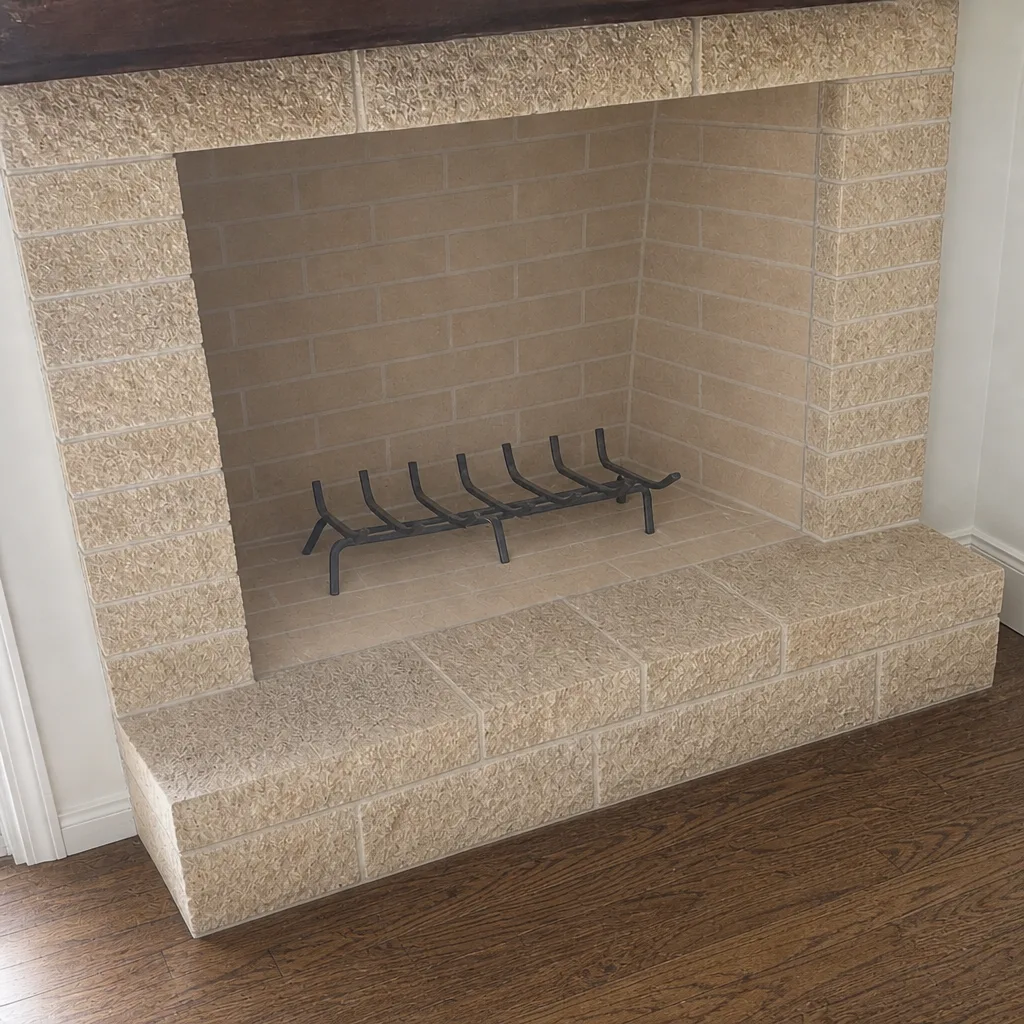
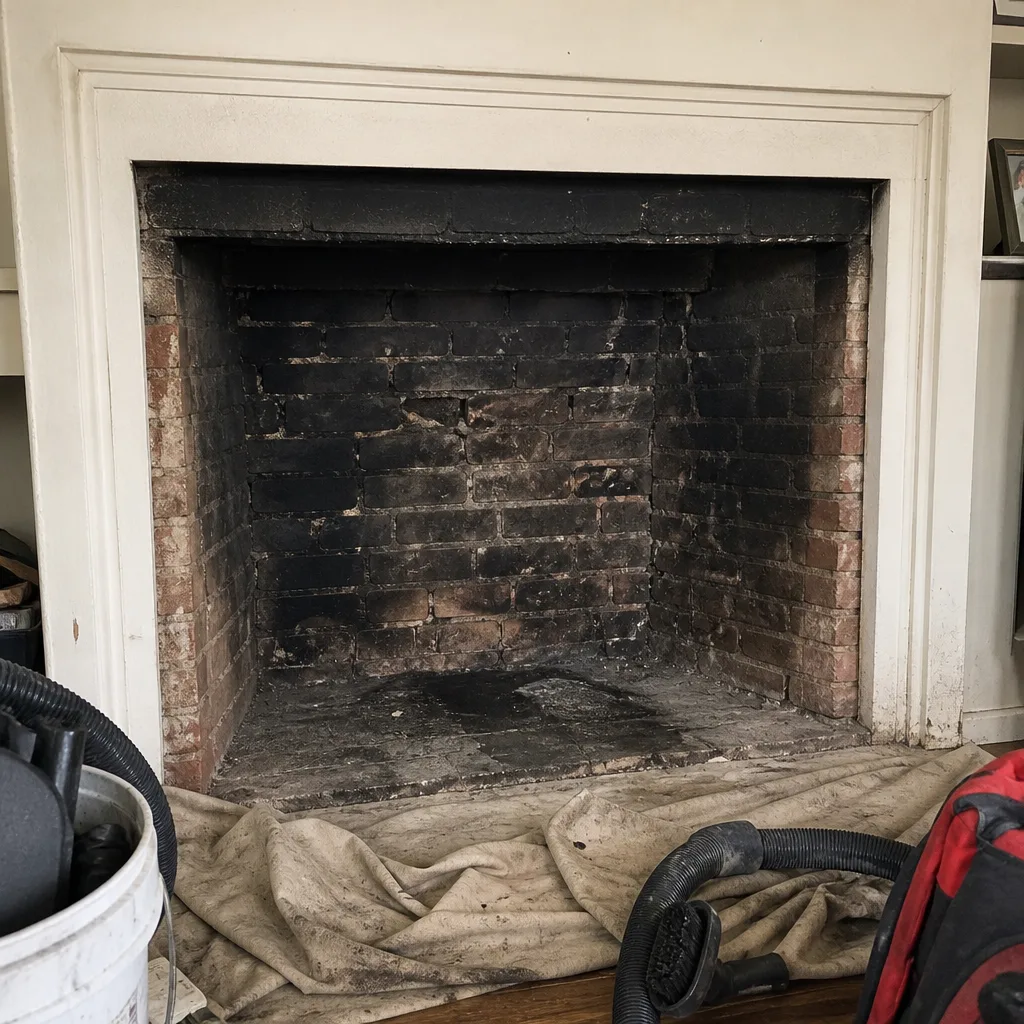
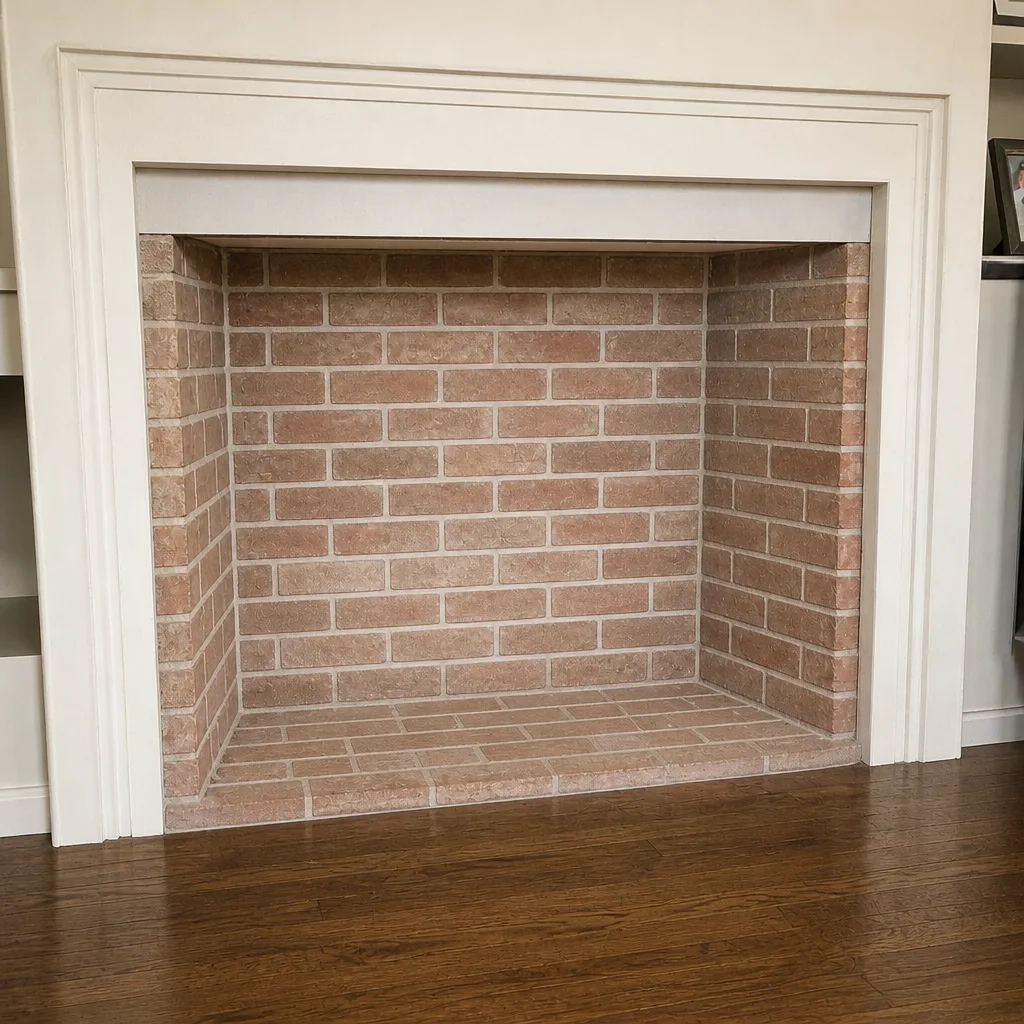
See the difference
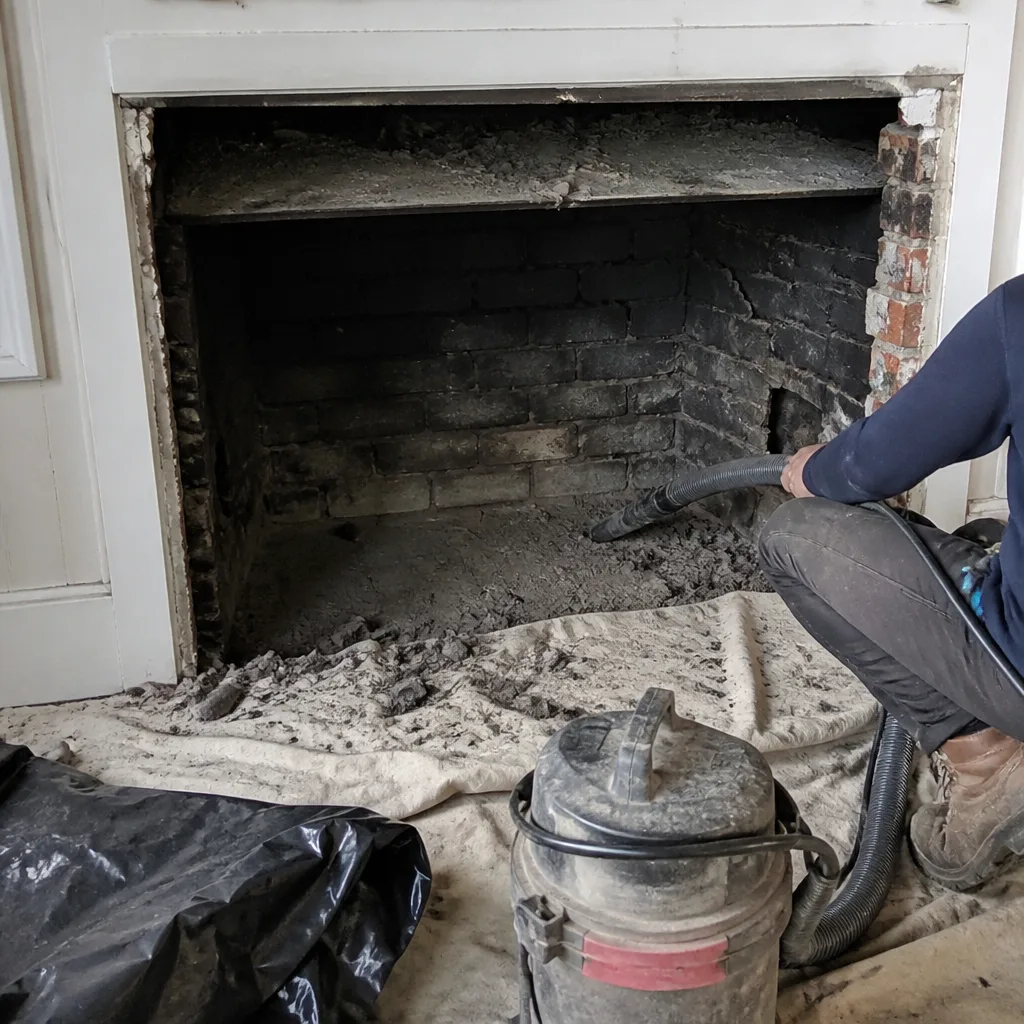 Before
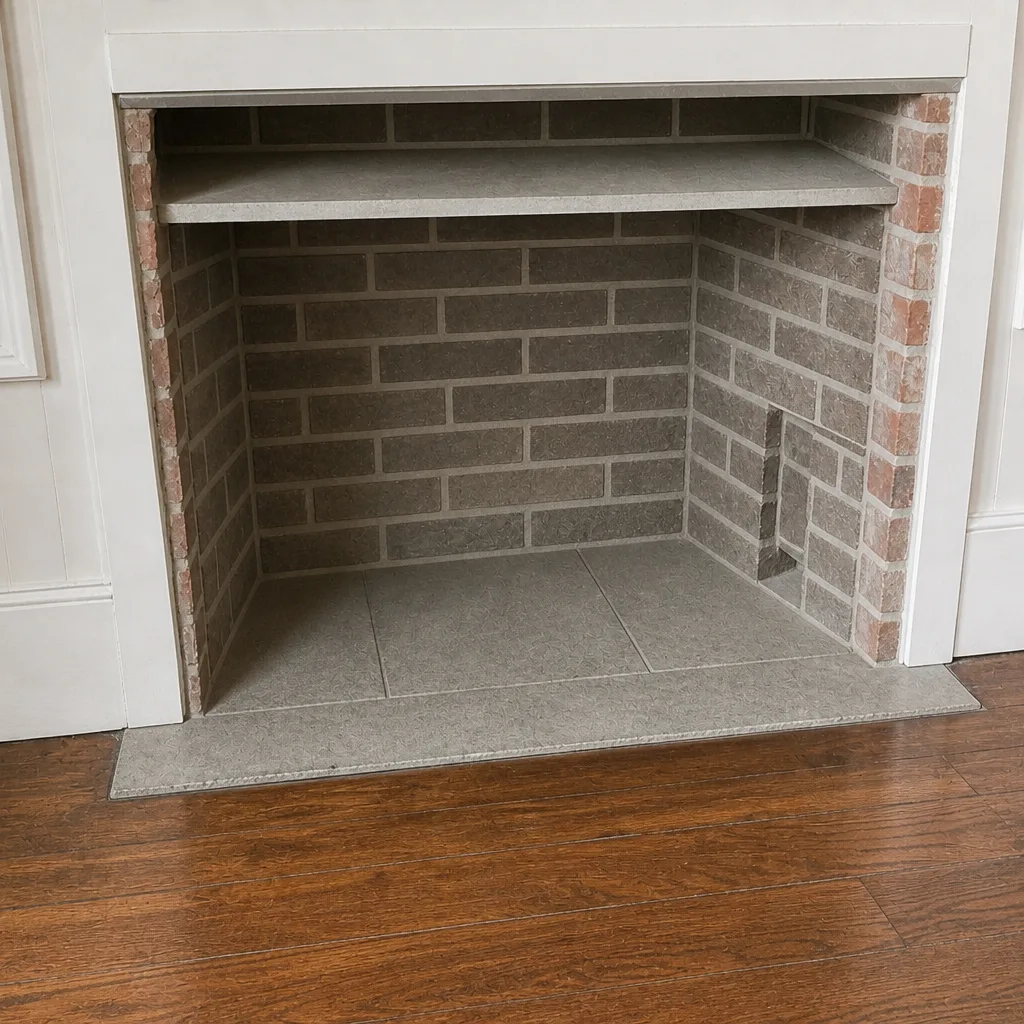 After
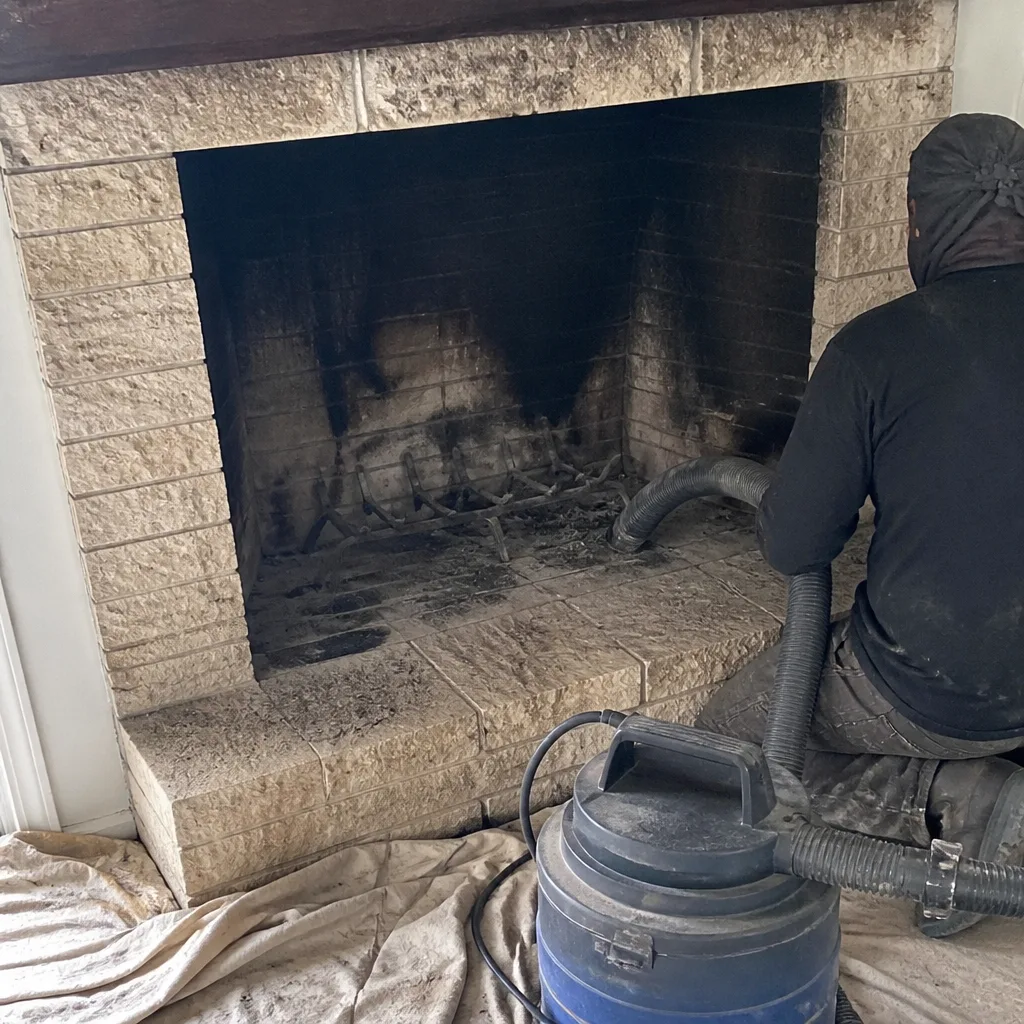 Before
 After
 Before
 After
When to Call a Professional
Call us when any of these are true. Crawling, flaky, or glazed creosote in the flue. A damper that won’t seal. Crumpled or missing mortar in the firebox. Any change to the cap or crown after a storm. A flue that won’t draw or produces a smell when the fire is lit. A dryer that runs hot or stops drying in one cycle. Any chimney that hasn’t been inspected in the past year. These are the items where the decision is already made – you need a trained technician on the roof and inside the flue, not another visual check from the ground.
Metairie Chimney Sweep offers free estimates in Metairie – call (855) 630-9846. We answer 24/7. Fast dispatch from 7am to 7pm, Sunday through Friday. Every job starts with an inspection and a written estimate, and the price is set per job before any work begins.
Frequently Asked Questions
Once a year for a home that burns, and a second sweep at the end of the burn season if you burn regularly or the flue showed any creosote buildup. In this climate, the annual sweep should happen before heating season, and the post-storm check should happen after any tropical system. If you haven’t burned in years but use a gas insert, an annual inspection is still the baseline. Call (855) 630-9846 for an exact schedule – the estimate is free.
A full checklist covers the flue and liner, the firebox, the crown and cap, the damper and smoke chamber, and the exterior brick and flashing. It also covers the dryer vent, because that duct carries heat out of the home the same way the chimney does. The monthly items on the list are ones you can check yourself. The annual sweep and inspection are done by a technician and include the inside of the flue above the roofline. Call (855) 630-9846 to book the inspection – estimates are free.
No. A chimney can look fine from the ground and still have shifted flashing, a loosened cap, or new cracks in the crown after a tropical storm. Those are exactly the conditions that let water in during the next rain. The storm check takes a short walk around the house and catches most of it. If anything is off, have a technician look before the burn season. Call (855) 630-9846 – estimates are free.
A small liner crack or a “watch” flag on the crown becomes a larger repair the longer it sits. On a flue with early deterioration, a HeatShield restoration coating can resurface the tiles without a full tear-out. If the deterioration advances too far, the option is a DuraFlex liner replacement instead. Catching it earlier gives you the cheaper of the two options. Call (855) 630-9846 for an inspection – estimates are free.
Yes. A gas insert vents through the same chimney system as a wood fireplace, and the venting needs an annual inspection to confirm it’s clear and sound. Gas doesn’t put creosote in the flue the way wood does, but the cap, crown, flashing, and vent connections all still need checking, and a blocked or damaged vent is a carbon monoxide risk. Call (855) 630-9846 to book the inspection – estimates are free.
Because it’s a heat-and-lint duct that fails the same way a flue does: a clog builds, heat can’t escape, and the lint becomes fuel. A dryer that runs hot, takes two cycles to dry, or smells like burning has a clogged vent, and a hand vacuum won’t reach the blocked section. A technician cleaning the vent removes the clog and lets the dryer run at its normal temperature. Call (855) 630-9846 for a vent cleaning estimate – it’s free.
The Bottom Line
The chimney work that matters in Metairie happens between burns, not right before them. Sweep at the end of the burn season to clear creosote before the summer. Check the cap, crown, and flashing after every tropical storm. Do a quarterly look inside the firebox and up at the cap from the ground. Get a technician on the flue once a year for the interior checks you can’t do. Add the dryer vent to the same calendar. And write it all down so a watch item doesn’t quietly become a repair. A chimney with a record is a chimney you can make decisions about. A chimney without one hands you the decision in the week you wanted a fire.
Metairie Chimney Sweep offers free estimates in Metairie – call (855) 630-9846. We answer 24/7. Fast dispatch from 7am to 7pm, Sunday through Friday. If you’d like the full picture of our services, start with the Metairie Chimney Sweep home page, or read more about our work in Metairie.
Written by the team at Metairie Chimney Sweep.