
Last updated November 14, 2026
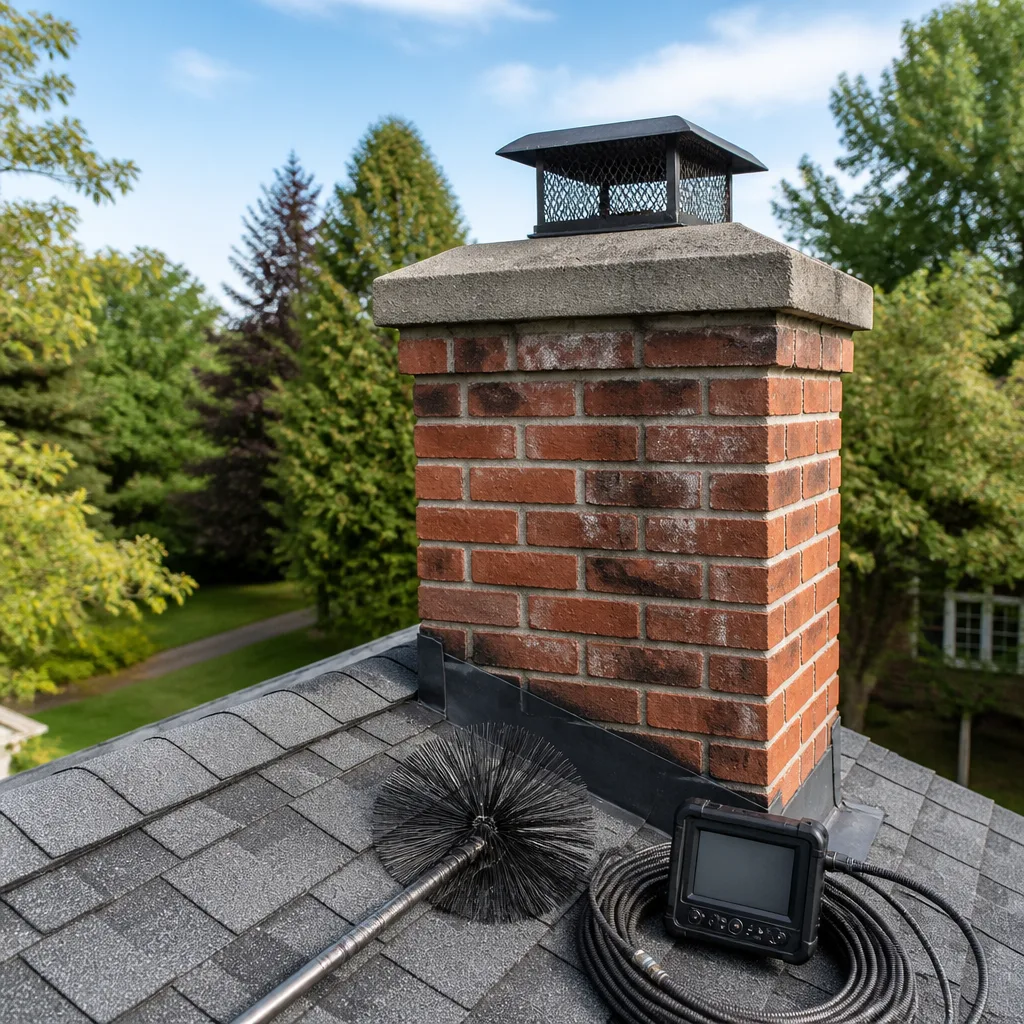 Sweep & inspection
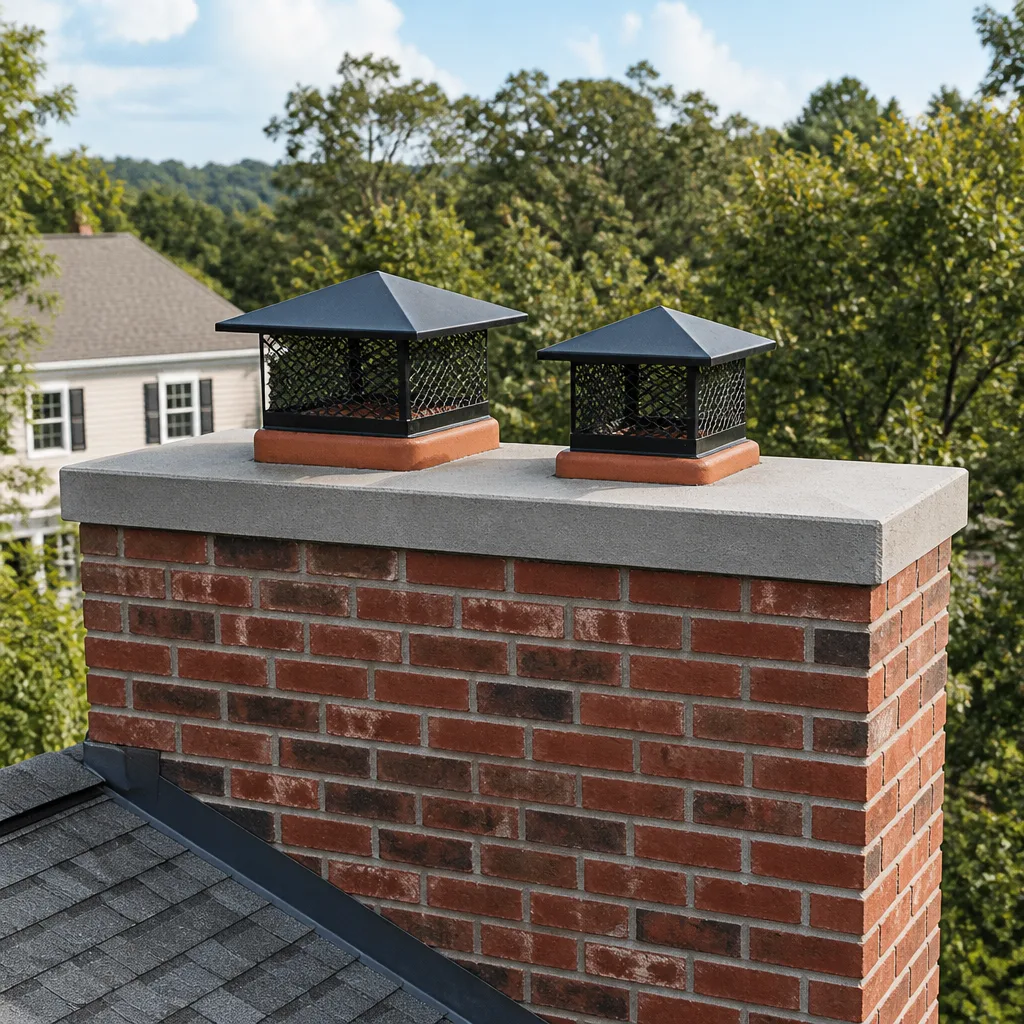 Caps & crowns
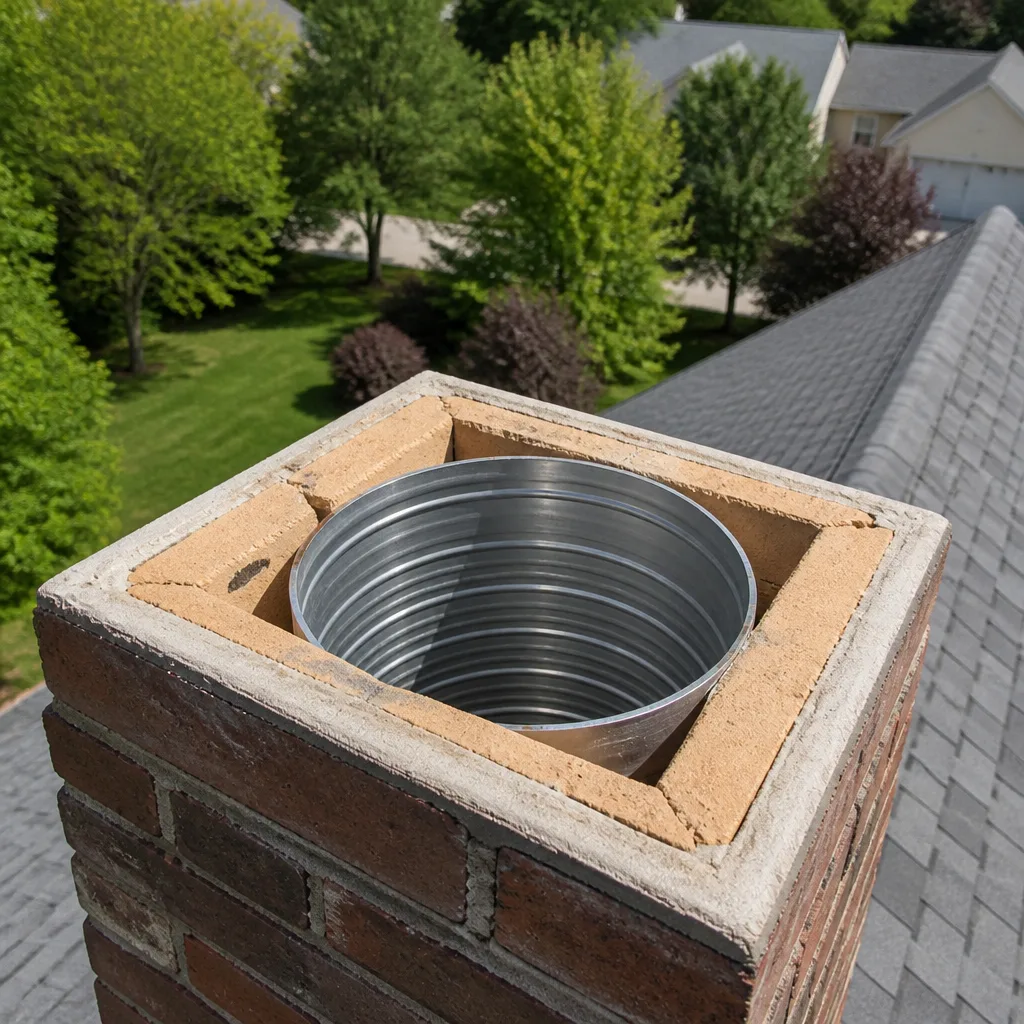 Flue relining
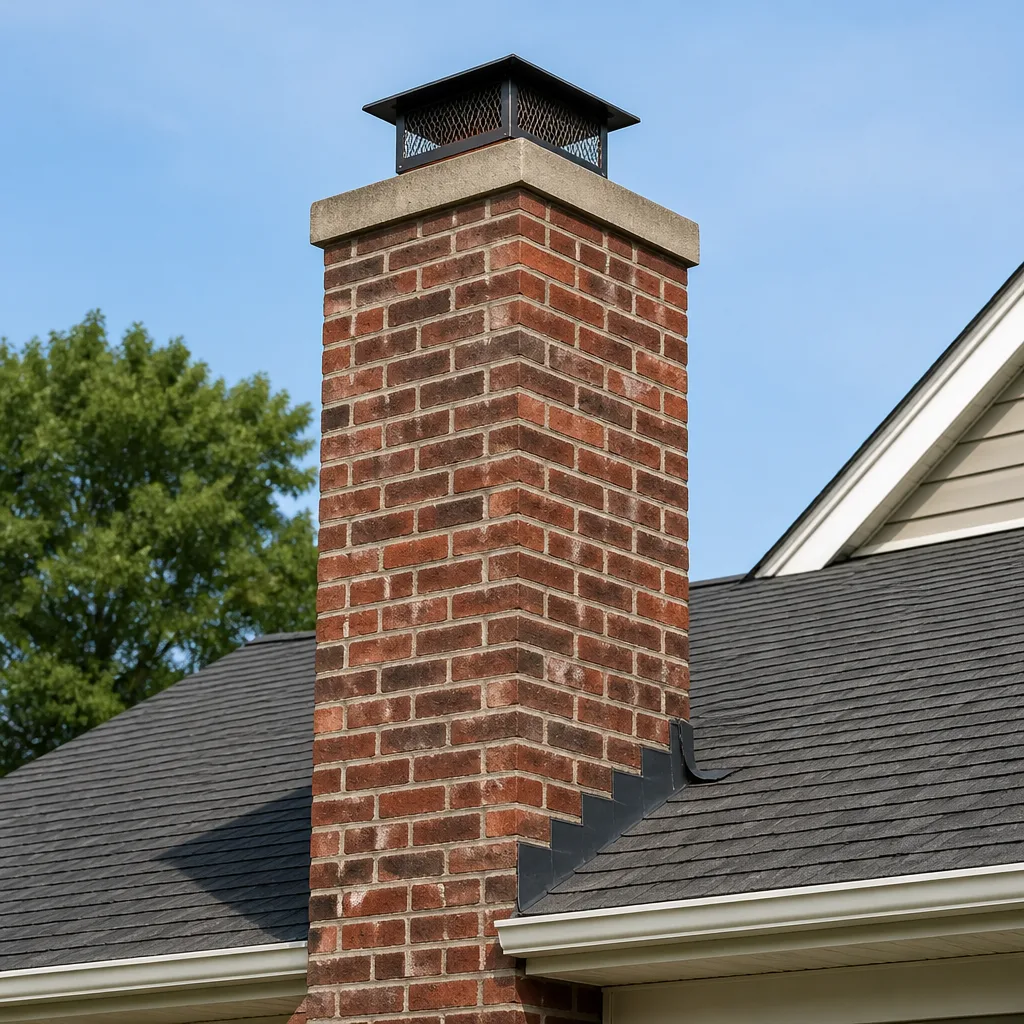 Masonry repair
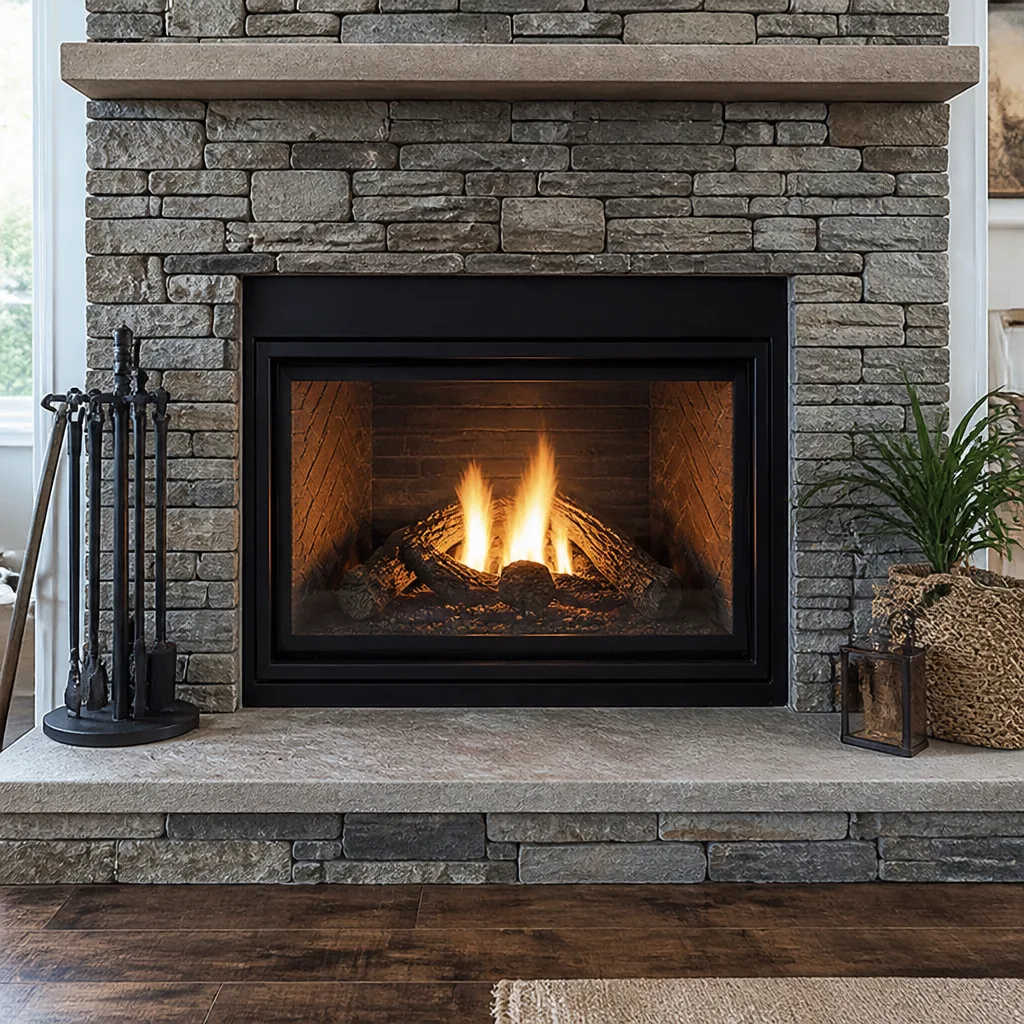 Gas fireplace service
Level 1 sweep and inspection to the NFPA 211 annual standard - flue, crown, cap, and flashing checked and photographed
Chimney sweep logs do not sweep chimneys. They loosen some creosote - which then falls where a brush and vacuum still have to collect it.
Chimney Cleaning Warning Signs: A Metairie Homeowner’s Reference Guide
Most homeowners evaluate their chimney the way they evaluate a parking brake: it worked last time, so it must still work. That assumption gets expensive in a humid subtropical climate. In Metairie, the damage that matters rarely announces itself with a chimney fire or a dramatic draft failure. It shows up as a white stain on the brick, a smell in August, a puff of smoke where there shouldn’t be one. All of these look like “just the season.” Most are not. This guide walks through the visual and indoor warning signs we see in Metairie homes, explains what each one actually means for the structure, and shows you how to document what you find so a technician can give you a straight answer instead of a sales pitch.
Quick Answer
The core warning signs of a chimney problem in Metairie are efflorescence (white salt staining on the exterior masonry), spalling brick and flaking mortar, rust or staining in the firebox, persistent odors during humid months, and drafting problems outside of burning season. Any one of these is a reason to schedule a sweep and inspection. Efflorescence plus spalling together is a reason to schedule one now, before the next wet season does more damage to the flue structure.
Styles & brands we work with
- Sweep & inspection
- Caps & crowns
- Flue relining
- Masonry repair
- Gas fireplace service
Table of Contents
- Efflorescence: The White Staining Most Homeowners Dismiss
- Spalling Brick and Crumbling Mortar: What They Actually Mean
- Stained Fireboxes and Soot Patterns Inside the Home
- Indoor Warning Signs Metairie Homeowners Skip
- Pre-Season Blockers vs. Immediate Calls
- How to Photograph and Document What You Find
- When Cleaning Alone Won’t Solve It
- When to Call a Professional
Efflorescence: The White Staining Most Homeowners Dismiss
Efflorescence is the chalky white residue that appears on brick, mortar, and the chimney crown. It looks like dried paint or leftover mortar dust. In a dry climate, it’s a minor cosmetic nuisance. In Metairie, where the air holds moisture for months at a time, it’s a signature of water moving through the masonry.
Here’s the mechanism. Water gets into the brick, either from rain driving against the chimney, from a failing crown, or from moisture pulled out of the humid air and absorbed into the masonry. That water dissolves mineral salts inside the brick and mortar. When the moisture migrates back out to the surface, it carries the salts with it and leaves them behind as a white deposit. The stain on the outside is the visible end of a process happening throughout the wall thickness.
What makes efflorescence a warning sign rather than a maintenance item:
- It signals active water intrusion. Not old, dry moisture from years ago. Something is currently allowing water into the masonry.
- It often starts small. A patch a few inches wide near the crown or along a mortar joint is the first place to look.
- It recurs after cleaning. If you scrub it off and it’s back within a season, the source has not been addressed.
- It escalates. Left alone, it progresses into spalling, which is the next section.
In Metairie, efflorescence on the chimney is one of the clearest early indicators of structural risk that we find during inspections. The masonry looks intact from the ground. Up close, the mortar joints are soft, the crown has a hairline crack, and the flue tiles behind the brick are not far behind. Catching it at the efflorescence stage is when the repair is small. Catching it at the spalling stage is when the flue liner is compromised.
Where to Look First
- Check the chimney crown (the concrete cap on top) for cracks and any white staining along the edges.
- Look at the mortar joints on the chimney face, especially near the top and around the flashing where the chimney meets the roof.
- Look for horizontal white lines that follow the mortar courses. These indicate moisture traveling through the joints, not just surface staining.
- Check the sides of the chimney that face the prevailing weather. That’s usually where it shows up first.
Spalling Brick and Crumbling Mortar: What They Actually Mean
Spalling is when the face of a brick flakes, peels, or breaks away entirely. You’ll find fragments on the roof, in the gutter, or on the ground near the chimney. In Metairie, spalling almost always follows efflorescence. The moisture intrusion that caused the salt staining eventually expands as it freezes or simply exerts pressure as the brick stays saturated, and the outer layer gives way.
Spalling is not a cosmetic issue. When the face of a brick is gone, the inner core of that brick is now exposed directly to weather. That inner core is softer and absorbs water faster. The process accelerates. Within a brick chimney wall, spalling at the exterior is a reasonable proxy for what’s happening to the flue tiles inside. The same moisture that destroys the outer brick reaches the tiles.
How to Read Spalling
- Isolated spalling on one or two bricks is a maintenance issue. It needs to be repaired, but the structural integrity of the chimney is not yet in question.
- Spalling on multiple courses near the top of the chimney indicates chronic moisture intrusion, usually a failed crown. That is a call worth making.
- Spalling combined with efflorescence and visible mortar loss means the outer wythe of the chimney is deteriorating. At this stage, the flue liner inspection becomes as important as the exterior repair.
- Spalling at the firebox (inside the home) means the firebox brick and mortar are failing. That’s a repair-before-use situation, not a schedule-for-later one.
One thing we see in Metairie that surprises homeowners: spalling can look worse on the shady or north-facing side of the chimney, because that side stays wet longer. That doesn’t mean the sunny side is fine. It means the sunny side dries faster and hides the problem.
Stained Fireboxes and Soot Patterns Inside the Home
The firebox tells you a lot about how the fireplace is functioning, and most of what it tells you is not visible from the ground outside. A firebox that is staining, darkening, or showing cracks is telling you something about combustion, draft, and the integrity of the firebrick and mortar.
Here’s what to look for and what each pattern means:
- Dark soot on the firebox face (the front of the fireplace surround). This usually indicates poor draft, a partially blocked flue, or that fires are being burned with the damper not fully open. In a humid climate like Metairie’s, it can also mean the flue is cool and the smoke is condensing on the cooler surface before it escapes. If you’re seeing soot on the face, get the flue checked before you burn again.
- White staining inside the firebox. This is efflorescence in miniature. It means water is reaching the firebox from above, usually through a cracked flue tile or a failed crown. Water in the firebox is a structural warning sign, not a cosmetic one.
- Rust on the damper or firebox hardware. Moisture is the only way rust gets there. Rust on the damper means the flue has been wet. Rust on the firebox grate means the firebox stays damp, which happens in Metairie homes that sit vacant or uncooled for part of the year.
- Cracked or crumbling firebrick. Firebrick is a specific material designed to withstand heat. Standard brick is not, and mortar repairs done with general-purpose mortar will crack and fail. A firebox with visible mortar gaps between firebricks is unsafe to use until repaired.
- Stains on the firebox hearth or the block around the firebox. Dark staining on the surrounding masonry that doesn’t come off with a scrub is often a sign of smoke infiltration or water that has been wicking through the block. Take a photo before you clean it.
The firebox is also where HeatShield restoration coatings do their work. A firebox with deteriorated mortar joints but intact firebrick can often be restored in place rather than rebuilt. That’s a repair decision a technician makes after inspection, but the stains and cracks you’re seeing are the start of the conversation.
Indoor Warning Signs Metairie Homeowners Skip
Some of the most reliable warning signs never involve looking at the chimney at all. They’re in the house, and they’re easy to dismiss as something else.
Odors During Humid Months
A chimney that smells in March or September is telling you it has a moisture problem or a creosote problem. The creosote deposits on the flue walls absorb moisture from the air. As the humidity climbs, the creosote off-gasses, and the smell comes into the house. That oily, smoky odor in a house that hasn’t burned a fire in months is a chimney smell, not a mystery. In Metairie, where the humidity hangs around, this is the number-one sign homeowners mention to us once they’re on the phone, and it’s usually the sign that prompted the call.
If the smell is strongest in the room with the fireplace and fades in dry weather, you’re looking at creosote and moisture. If the smell is strongest near the top of the chimney or in an upstairs room, you may be looking at a flue that isn’t venting correctly. Either way, the answer is the same: get it swept and inspected.
Drafting Problems in Summer
A fireplace that drafts poorly in January is a draft problem. A fireplace that drafts poorly in July is a chimney problem. In summer, the air inside the flue is often cooler than the outside air, which can stall the draft even on a clean flue. But if the draft problem persists on days when the outside air is cooler than the house, or if you feel air moving down the chimney into the room, that’s not a seasonal draft issue. It’s a blockage, an incorrect flue sizing, or a flue that’s allowing air into the house through cracks in the tiles.
More Indoor Signs Worth Noting
- Smoke rolling back into the room when the fireplace should be drafting. A one-time backdraft on a cold start is normal. Persistent backdraft is not.
- A hissing or rumbling sound from the flue when the fireplace is burning. That’s creosote igniting or the sound of a restricted flue. Stop burning and call for inspection.
- Carbon monoxide detector alarms at any time. Get out of the house, call the fire department, and do not relight the fireplace until the chimney has been inspected.
- Soot or ash falling into the firebox from above. That’s flue tile debris or flaking creosote. Both are signs the lining is failing or the flue is heavily loaded.
- A dryer that runs hot or takes two cycles to dry a load. Your dryer vent is a chimney too, and the lint loading inside it is combustible.
Pre-Season Blockers vs. Immediate Calls
Not every warning sign has the same timeline. The value in a reference guide like this one is knowing which signs mean “schedule it before you burn this season” and which mean “don’t use the fireplace until someone has looked at it.”
Warning Signs That Are Pre-Season Blockers
These are the signs that should be addressed before the first fire of the season, but don’t require immediate action:
- Efflorescence alone, with no spalling and no interior staining. Get it inspected and get the source identified.
- An annual or semi-annual sweep that’s due, with no other symptoms.
- Soot on the firebox face that appeared during last season’s burning and hasn’t been cleaned.
- A dryer that takes longer to dry than it used to.
- Minor isolated spalling on the chimney face with no visible mortar loss.
Warning Signs That Require an Immediate Call
These are the signs that mean you should not burn a fire until the chimney has been inspected:
- Carbon monoxide detector alarms.
- Smoke rolling back into the room on every fire, not just cold starts.
- Cracked or missing firebrick, or mortar gaps in the firebox that you can see into.
- A hissing or rumbling sound from the flue while burning.
- Visible damage to the flue tiles (you can sometimes see them from the top of the firebox looking up).
- Water in the firebox after a rain.
- Soot that falls into the firebox when the fire isn’t burning.
The distinction is about what’s already happened versus what’s likely to happen. A stain on the firebox face is a warning. A firebox with cracked firebrick is a hazard. The first you schedule. The second you don’t use.
How to Photograph and Document What You Find
If you’re reporting a sign to a technician, the difference between a vague description and a good set of photos is the difference between a rough estimate over the phone and an accurate one. It’s also the difference between a repair quote for something real and a quote for something the technician has to guess at. Photograph the signs precisely.
A Simple, Repeatable Method
- Take a wide shot first. Stand back far enough to show the whole chimney and the surrounding roof. This gives the technician context for where the damage is.
- Move closer. A second shot showing the affected area in the context of the chimney face or the firebox.
- Take a close-up with a scale reference. A coin, a tape measure, or the tip of a pen next to the stain or spall tells the technician the actual size.
- Photograph the whole chimney face, not just the affected spot. Efflorescence and spalling often show up in a pattern. The pattern tells the technician which side of the chimney faces the weather.
- Photograph the firebox with a flashlight on. Shoot straight-on so the technician can see the firebox geometry, the damper, and the mortar joints.
- Photograph the interior of the flue if you can see it. A photo looking up the firebox with a flashlight is worth the effort. If you can’t see up the flue, don’t climb on the roof to try.
- Write down the date and a one-line description for each photo. “Chimney face, north side, 3-inch white patch near crown, March” is more useful than a photo with no context.
When you send this to a technician, you’re giving them something to look at before they arrive. On a repair call, that can mean the difference between a trip that diagnoses and a trip that repairs. Found during your sweep, fixed on the same visit is the outcome we aim for in Metairie, and a good set of photos gets you there faster.
When Cleaning Alone Won’t Solve It
Some warning signs mean the chimney needs a sweep. Others mean the chimney needs a sweep plus a repair. The difference matters because a cleaning alone on a chimney that has structural issues will make the symptoms go away for one season and then come back. The structural issue needs the materials that fix it, not another brush-out.
Signs that cleaning alone won’t be enough:
- Efflorescence combined with spalling. The masonry is failing. A sweep cleans the flue; it doesn’t fix the brick.
- Water staining inside the firebox. The flue tiles or the crown have failed. A sweep doesn’t fix that. HeatShield restoration or a flue liner replacement does.
- Visible cracks in the flue tiles. A cracked flue tile has to be relined or restored, not cleaned. The crack is what makes the flue unsafe.
- Holes or gaps in the mortar joints of the flue. Those gaps need to be sealed. That’s a repair.
- A firebox with deteriorated mortar between intact firebrick. That’s a restoration coating job, not a cleaning job.
- A dryer vent that’s visibly clogged with lint beyond a light dusting. The vent needs to be cleaned out with a proper tool, and the vent run may need correction.
This is the gap between inspection and fix that most chimney companies leave to a second call, or a second contractor. We stock DuraFlex flexible liner systems and carry HeatShield restoration capability, which means a sweep that reveals a structural deficiency can go straight into the repair. A deteriorated firebox or flue tile can often be restored in place with HeatShield rather than torn out and rebuilt with a full liner replacement. That’s the difference between a small repair and a big one.
When we find structural issues during a sweep in Metairie, we document them with photos. You see what we see, and the recommendation comes with evidence. Nothing gets quoted that isn’t in the photos.
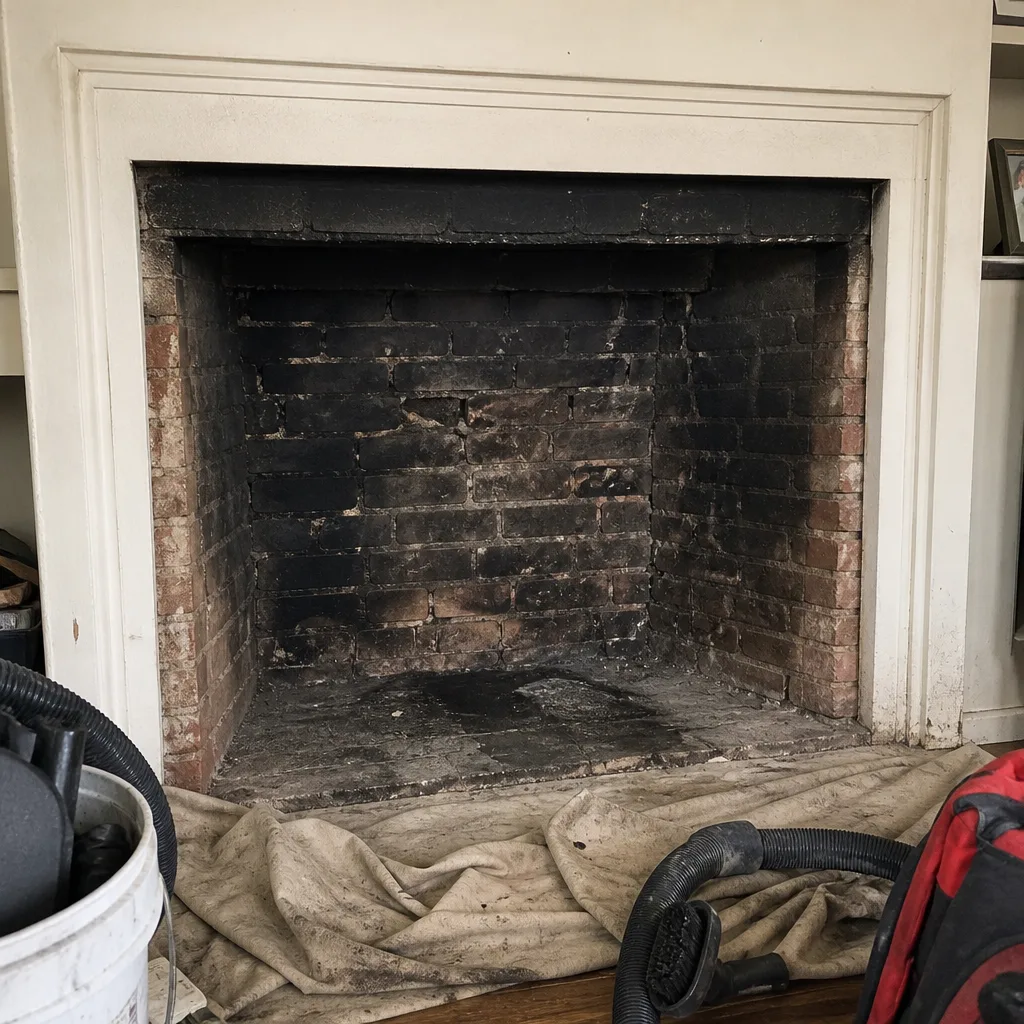
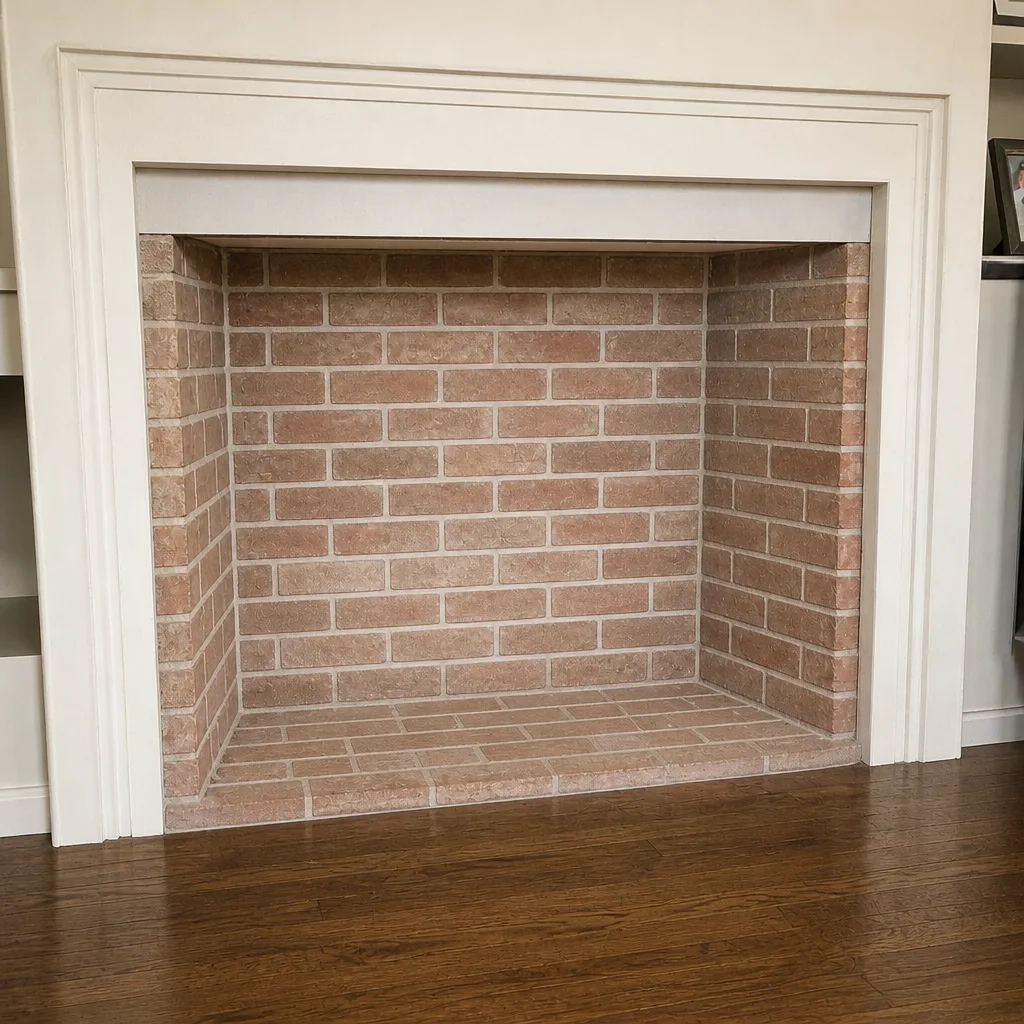
See the difference
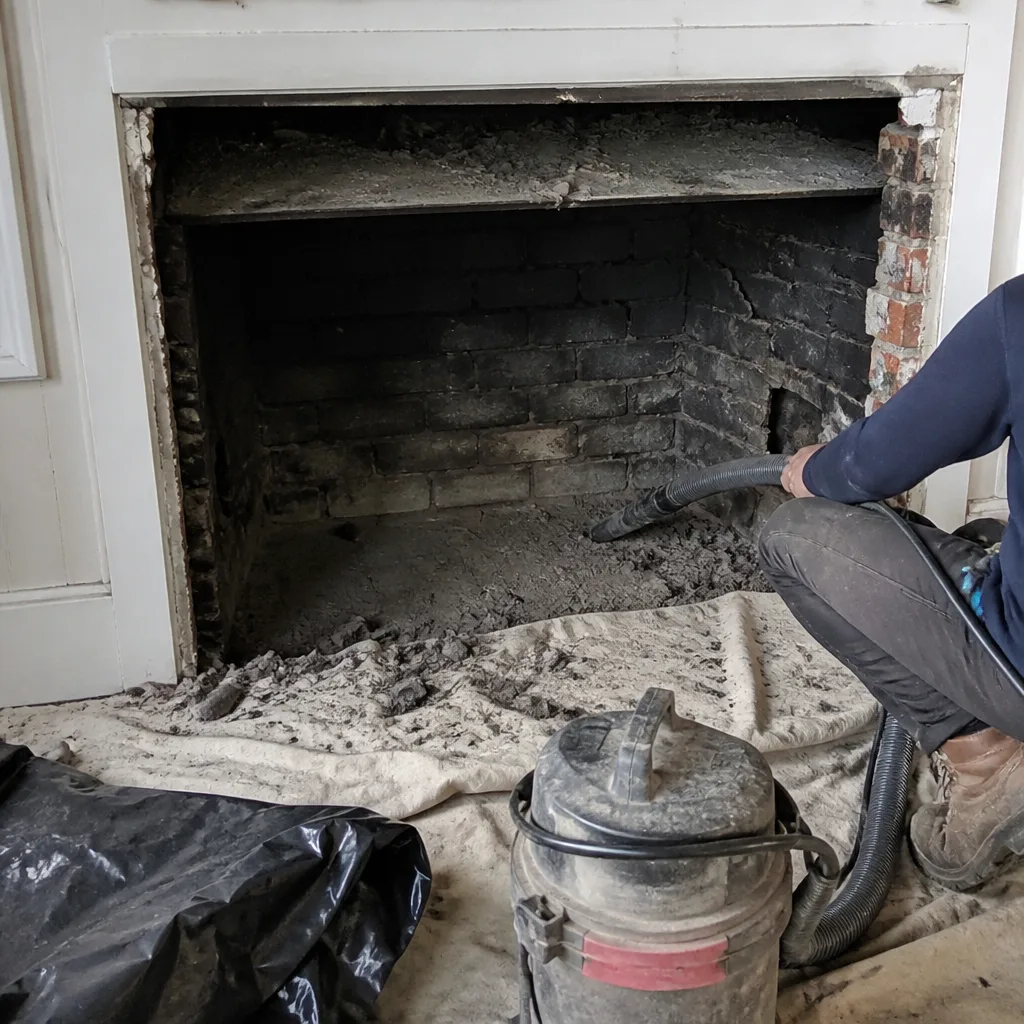 Before
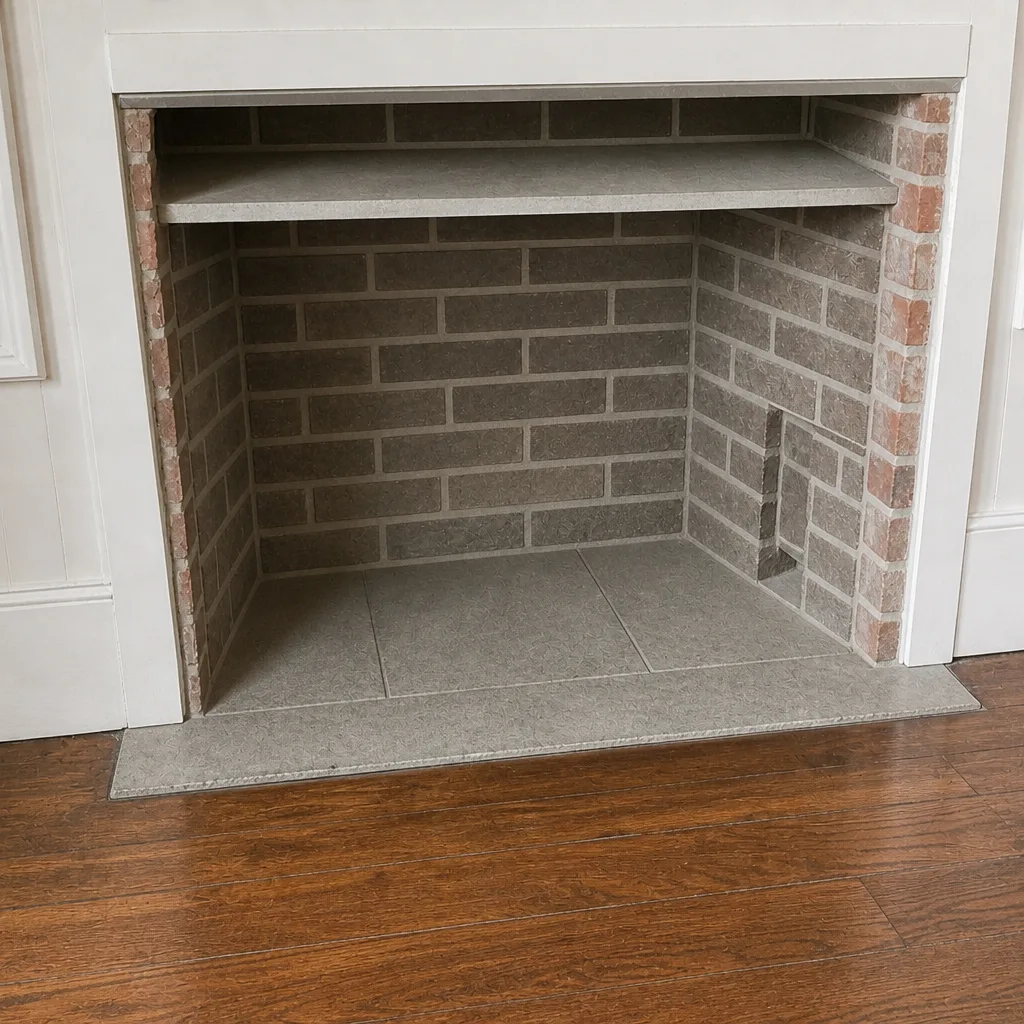 After
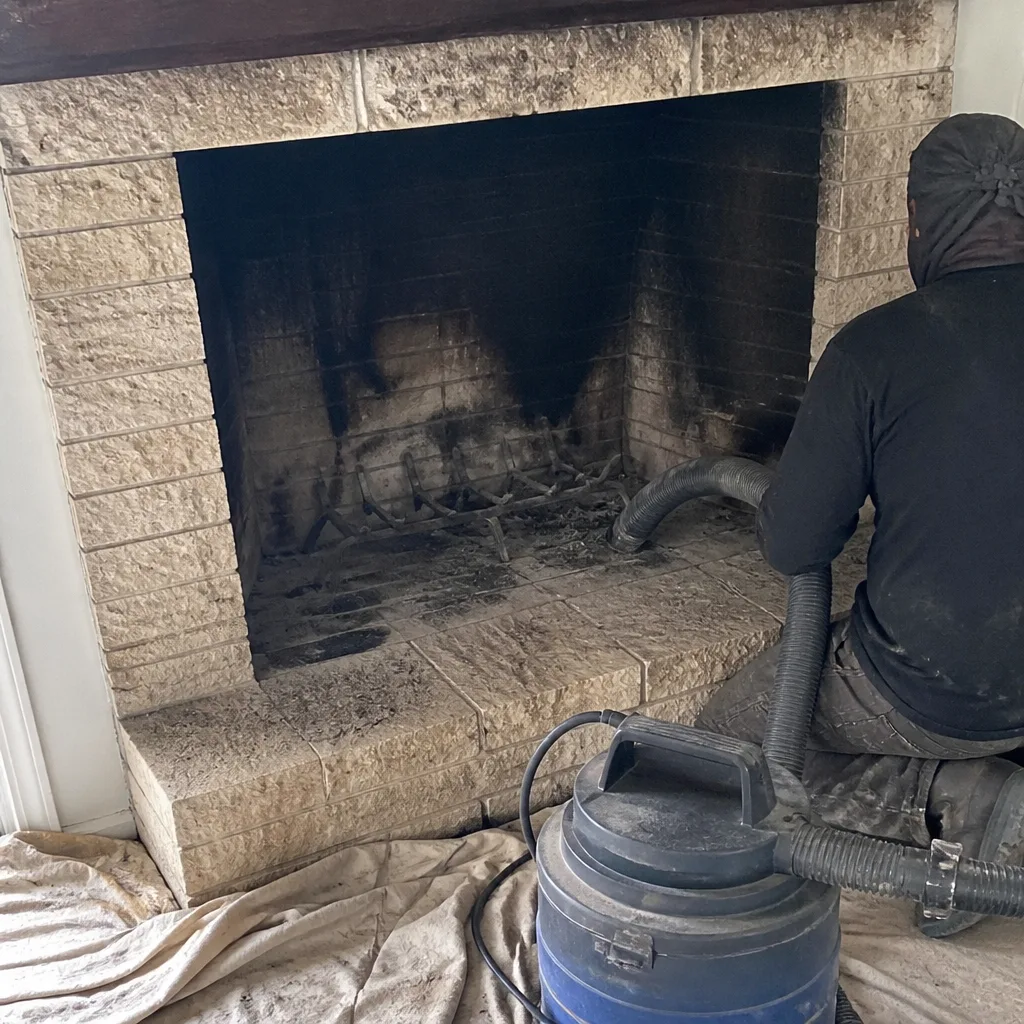 Before
 After
 Before
 After
Common Mistakes to Avoid
- Scrubbing the efflorescence off before you photograph it. The white staining is the evidence. Cleaning it up makes the chimney look better and makes the diagnosis harder. Photograph first, then clean if you want to.
- Assuming a summer smell is just humidity. Some of it is. A smell that’s strongest in the room with the fireplace and disappears in dry weather is a chimney smell, and it’s worth checking. That’s the most common call we get from Metairie homeowners, and it usually turns out to be creosote plus moisture.
- Painting over the spalling. Paint doesn’t stop water intrusion into brick. It traps moisture inside the masonry, which accelerates the spalling. It also makes it impossible to see how much more damage has happened.
- Getting the chimney swept and skipping the inspection. A sweep removes creosote. An inspection looks at the flue tiles, the firebox, the crown, and the flashing. You need both. A sweep without an inspection misses the structural warning signs this guide is about.
- Reading the firebox through a smoky glass door. Glass doors hide the staining, soot patterns, and cracked firebrick that tell you what’s going on. Take the doors off, or open them, before you photograph.
- Climbing on the roof to inspect the crown yourself. Roof work around a chimney is one of the more dangerous things a homeowner can attempt. Take photos from the ground, and let a technician handle the roof access.
- Burning a fire after a carbon monoxide alarm. The alarm is the warning sign that overrides every other one. Don’t relight until the chimney has been inspected.
- Assuming the dryer vent is fine because the dryer still runs. Your dryer vent is a chimney too. The signs of a clogged vent are a dryer that runs hot, takes longer than it used to, or has a lint screen that fills faster than it used to. Any of those is a reason to have the vent cleaned.
- Trusting a phone estimate without photos. Anyone offering a repair price without seeing the firebox or the flue is guessing. If the number is high, ask for the photos that justify it.
When to Call a Professional
If you’ve got efflorescence plus spalling on the chimney face, a firebox with visible cracked firebrick, water staining inside the firebox after rain, a flue that backdrafts on every fire, a dryer that’s running hot or taking two cycles to dry, or any carbon monoxide alarm event, it’s time to call. If you’ve got a smell in humid months that keeps coming back, that’s a call worth making before the next season rather than after. If you’re not sure which category your warning sign belongs in, send photos and ask.
The chimney sweep and inspection is the starting point for all of this. A technician documents what’s found, you see the photos, and the recommendation comes with evidence. Metairie Chimney Sweep offers free estimates in Metairie – call (855) 630-9846. We answer 24/7. Fast dispatch from 7am to 7pm, Sunday through Friday.
Frequently Asked Questions
Most wood-burning chimneys need sweeping once a year, or after about a cord of wood, whichever comes first. If you burn more than a cord per season, or if you notice any of the warning signs in this guide, get it swept sooner. Gas inserts need inspection annually as well, even though they don’t produce creosote the way wood does. The inspection catches flue liner problems, venting issues, and moisture damage that a basic sweep won’t find.
In Metairie, efflorescence alone means water is actively moving through the masonry, and that’s a real problem. It’s the earliest visible sign that the chimney is taking on water. At that stage, a crown repair and mortar repair are usually enough. Left alone for a few seasons, efflorescence progresses to spalling, and spalling is when the flue liner is at risk. Call (855) 630-9846 if you’ve got it and want it looked at – the estimate is free.
Creosote deposits on the flue walls absorb moisture from humid air, and as the humidity climbs, they off-gas into the house. That’s the most common reason for a summer chimney smell in Metairie. A sweep removes the creosote, and if the flue has a moisture problem, the inspection finds the source. If the smell persists after a sweep and inspection, the issue is usually venting, and a technician can diagnose it with a camera.
No. A firebox with cracked or missing firebrick is unsafe to use until it’s repaired. The cracks let heat and embers reach the masonry behind the firebox, and that masonry isn’t built to take direct flame contact. A firebox with intact firebrick but deteriorated mortar joints can often be restored in place with HeatShield coating rather than rebuilt, but it still needs a technician to assess it. Call for an inspection before you light another fire.
Smoke rolling back into the room means the chimney is not drafting correctly, and the two most common causes are a flue blockage and an incorrectly sized flue. A one-time backdraft on the first fire of the season is usually a cold-flue issue and resolves after a few minutes. A persistent backdraft, or one that happens on every fire, needs a flue inspection before you burn again. This is the kind of sign that shouldn’t wait for the next sweep.
A flue liner is needed when the flue tiles have cracked, separated, or corroded, because a compromised liner allows heat and carbon monoxide to reach the surrounding structure. That’s a real problem and not an upsell. If a technician recommends a liner, ask to see the photos or the camera footage that justify it. If they can’t show you what they’re recommending, get a second opinion. We document every repair recommendation with photos so you can see the problem yourself.
A dryer vent is a chimney for a different appliance, and it has the same fire risk from combustible buildup. Lint is flammable, and a vent run that’s clogged with lint can ignite. If your dryer runs hot, takes two cycles to dry, or your lint screen fills faster than it used to, the vent is probably loading up. Dryer vent cleaning runs alongside our chimney services so the whole ventilation system in the house gets checked. Call (855) 630-9846 to have both looked at in one visit.
The Bottom Line
Most of the serious chimney problems we see in Metairie homes have a visible early warning. Efflorescence is the first one to look for, because it’s the earliest sign that water is moving through the masonry. Spalling, stained fireboxes, summer odors, and persistent backdrafts come after. The signs that mean “schedule before the season” and the signs that mean “don’t burn until inspected” are different, and knowing the difference is what keeps a small repair from becoming a liner replacement. When you’re ready to have the signs checked, call (855) 630-9846. We answer 24/7. Fast dispatch from 7am to 7pm, Sunday through Friday. The estimate is free, and if there’s nothing wrong, we’ll tell you that too.
If you want to start with the basics, the chimney sweep is the right first appointment, and the inspection that comes with it is where the warning signs get sorted out. For the dryer side of the same fire-safety picture, dryer vent cleaning covers the vent run that most homeowners never think about. And if you’re new to the area or just found us, Metairie is where we work and where this guide is written from. You can reach Metairie Chimney Sweep directly with the number above if you’d rather skip the reading and get a technician scheduled.
Written by the team at Metairie Chimney Sweep.